
Kara Gavin
Research and Policy Media Relations Manager
Gavin draws on more than 25 years of experience in communicating about science, medicine and health policy. She focuses mainly on the health services research done by members of the U-M Institute for Healthcare Policy and Innovation, who work to understand and improve the safety, quality, equity and affordability of health care. As part of the Michigan Medicine communication team, she has lead responsibility for primary care and mental health topics. Contact: [email protected]; Twitter: @Karag


Health Lab
Pre-Medicare Years Bring Health Insurance Worries for Many
Almost half of Americans ages 50 to 64 are worried they won’t be able to afford insurance in retirement, and 68 percent are also concerned about federal changes to health insurance.

Health Lab
How U.S. Children and Teens Die: Study Reveals the Widespread and Persistent Role of Firearms
Firearms have been the No. 2 cause of death for at least 17 years, even as prevention efforts have cut the death rate in half from motor vehicle accidents, the No. 1 cause

Health Lab
What a Judge’s Ruling on Health Care Means — and Doesn’t Mean — for You
Most important: Don’t panic. Second most important: Spread the word.

Health Lab
A Holiday Gift to Primary Care Doctors: Proof of a Time Crunch
A study with a satirical spin drives home a real point about the demands on general practitioners’ time and expectations for shared decision-making in primary care.

Health Lab
Millions of Low-Risk People with Diabetes May Be Testing Blood Sugar Too Often
A new study finds 1 in 7 people with type 2 diabetes who don’t use insulin monitor their blood sugar levels more often than guidelines suggest.

Health Lab
What More Could We Do to Prevent Veteran Suicides? Survey Reveals Clues
Most veterans in VA mental health care approve of voluntary programs to reduce gun access during high-risk periods. What the findings could mean for doctors, patients and families.

Health Lab
Expanded Medicaid Means a lot for Health and Work Lives of Enrollees
Findings from Michigan enrollees may help other states understand the potential impact of Medicaid expansion and work requirements on health and employment.

Health Lab
Stuck in a Loop of ‘Wrongness’: Brain Study Shows Roots of OCD
By studying hundreds of brain scans, U-M researchers identify abnormalities common to people who suffer from obsessive-compulsive disorder.
News Release
A trip to Vienna: U-M Life Sciences Orchestra concert on December 8
The crisp early-winter air. The streets bustling with students and pre-holiday shoppers. The sounds of Strauss in a renowned concert hall.
News Release
Researchers launch website on firearm deaths & injuries among children to accelerate knowledge & prevention
Nearly 28,000 American children and teens have died because of firearms in the past decade – second only to the 44,800 who died in motor vehicle collisions.

Health Lab
Researchers Launch Website on Firearm Deaths and Injuries Among Children
New childfirearmsafety.org site offers free access to data, designed to accelerate prevention

Health Lab
Patients Use Only a Fraction of Opioids Given After Surgery — But Prescription Size Affects Use
First large study of surgical opioid prescribing and patient usage shows the potential for reduced amounts and the importance of safe disposal of unused pills
Health Lab
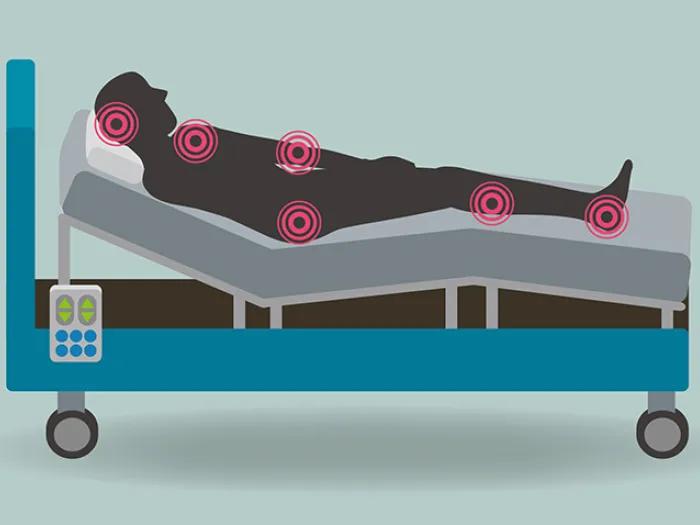
As Bedsore Prevention Efforts Lag, Experts Offer Advice
The management of hospital-acquired pressure ulcers varies greatly, according to a new study. Researchers offer three key takeaways.

Health Lab
Cannabis On The Ballot: What Researchers Think You Should Know
With voters in several states asked to decide about recreational and medical marijuana, a quick look at the state of knowledge about the drug and its derivatives

Health Lab
Nearly Half of Women Over 50 Experience Incontinence, but Most Haven’t Talked to a Doctor
Urine leakage can get in the way of life and exercise; results point to potential importance of routine screening
