
Kara Gavin
Research and Policy Media Relations Manager
Gavin draws on more than 25 years of experience in communicating about science, medicine and health policy. She focuses mainly on the health services research done by members of the U-M Institute for Healthcare Policy and Innovation, who work to understand and improve the safety, quality, equity and affordability of health care. As part of the Michigan Medicine communication team, she has lead responsibility for primary care and mental health topics. Contact: [email protected]; Twitter: @Karag


Health Lab
Opioid “Doctor Shoppers” May Not Have to Look Far for Drugs
Insurance records reveal patterns of opioid prescribing to patients whose family members “shop” for opioids from multiple sources

Health Lab
Stark Racial, Financial Divides Found in Opioid Addiction Treatment
Thirty-five times more white patients than patients of color receive buprenorphine, and three-quarters of prescriptions go to those who pay cash or have private insurance
News Release
Fighting the opioid epidemic with new knowledge: U-M teams up with Harvard, National Academy of Medicine
With 130 Americans dying every day from opioid overdoses, and 2 million suffering from disorders related to prescription and non-prescription opioids, the University of Michigan is ramping up efforts to make an impact on the opioid epidemic through the research and expertise of its faculty and their teams.
News Release
Life science researchers across Michigan to pitch innovation ideas at 2019 Biomedical Innovation Cup
What if a stroke could be treated faster and more completely? Or what if cancer treatment options could be improved for patients with resistant tumors?

Health Lab
Why women get autoimmune diseases far more often than men
Researchers cause a lupus-like disease in mice by amplifying the amount of a single “master regulator” factor — suggesting both a root cause for known differences between the sexes and a target for new treatments.

Health Lab
Taking Care of People with TBI: Tool Could Help Caregivers
Standardizing measurement of the physical, social and emotional effects experienced by caregivers of people with a traumatic brain injury could lead to better support for an overlooked group.
News Release
Spring cleaning time: April 27 event helps Michiganders get opioids & more out of their homes
It’s spring cleaning time, time to get rid of clutter and make a fresh start. That goes for medicine cabinets, too -- especially in the face of a growing epidemic of misused prescription drugs such as opioid painkillers.

Health Lab
New DNA ‘Shredder’ Technique Goes Beyond CRISPR’s ‘Scissors’
A tool borrowed from bacteria successfully seeks out, cuts and destroys long stretches of human cells’ DNA, opening doors to new uses in research and treatment.
Health Lab
‘Superbugs’ Found on Patients’ Hands and What They Touch
Hospitals have put a lot of effort into encouraging good hand hygiene among their staff. But new findings about multidrug-resistant organisms suggest a new frontier for preventing transmission.
Health Lab
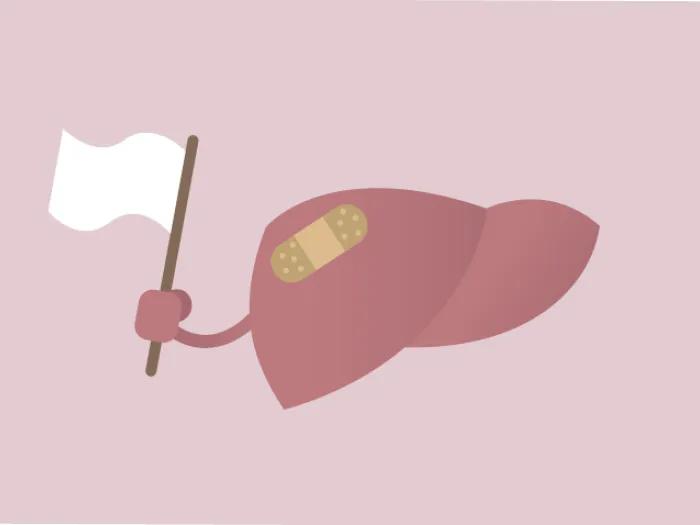
A Tiny Cry for Help from Inside the Liver Could Lead to Better Treatment
An enzyme’s newly discovered ability to spur the body to prevent or repair acute liver injury could be harnessed as a therapy or used as a biomarker.
News Release
New DNA “shredder” technique goes beyond CRISPR’s scissors
In the last six years, a tool called CRISPR-Cas9 has transformed genetic research, allowing scientists to snip and edit DNA strands at precise locations like a pair of tiny scissors.
News Release
The magic of flute: U-M Life Sciences Orchestra presents a free concert on April 14
Nearly 20 years ago, a young surgeon had an idea: What if the University of Michigan’s vast medical and science community had its own orchestra, to give give students and professionals a chance to express their musical talents and connect with one another and the community?

Health Lab
Poll: Pets Help Older Adults Cope with Health Issues
Two-thirds of all pet owners say that having an animal helps them stay physically active. But for some older adults, time commitment, cost and allergies stand in the way of pet ownership.
News Release
U-M team reaches final round in “March Madness” of science
Every year, basketball fans rally around their favorite college teams in the March Madness tournament. But medical science has its own version, and a University of Michigan reseach team has made it all the way to the finals.
Health Lab
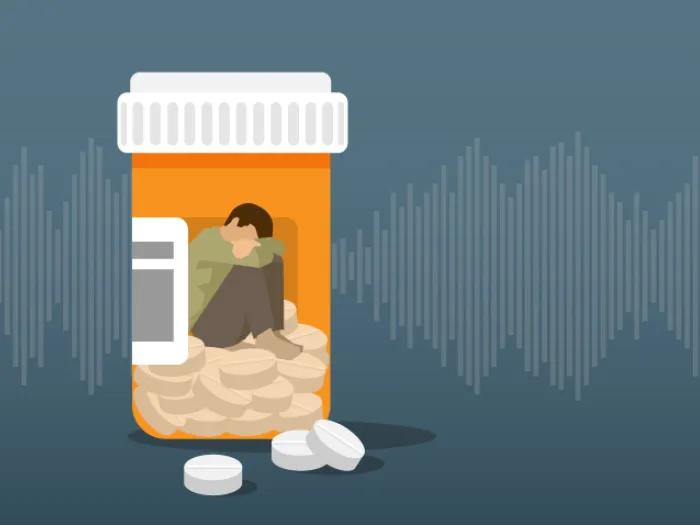
Early Hearing Loss May Mean Higher Risk of Drug and Alcohol Issues
National study shows prescription opioid use disorder is twice as high among deaf and hard-of-hearing young and middle-aged adults, compared with hearing peers
