
Kara Gavin
Research and Policy Media Relations Manager
Gavin draws on more than 25 years of experience in communicating about science, medicine and health policy. She focuses mainly on the health services research done by members of the U-M Institute for Healthcare Policy and Innovation, who work to understand and improve the safety, quality, equity and affordability of health care. As part of the Michigan Medicine communication team, she has lead responsibility for primary care and mental health topics. Contact: [email protected]; Twitter: @Karag


Health Lab
Buying your own health insurance has gotten a lot less expensive
Health insurance costs will go down for many people who buy plans on the federal Marketplace at Healthcare.gov thanks to the American Rescue Plan.
News Release
U-M Depression Center to be named for Eisenberg family, in recognition of $30M in giving
The University of Michigan Board of Regents today approved the renaming of the U-M Depression Center for Frances and Kenneth Eisenberg and their family, in recognition of their transformational $30 million total giving to depression research and scholarship.
Health Lab
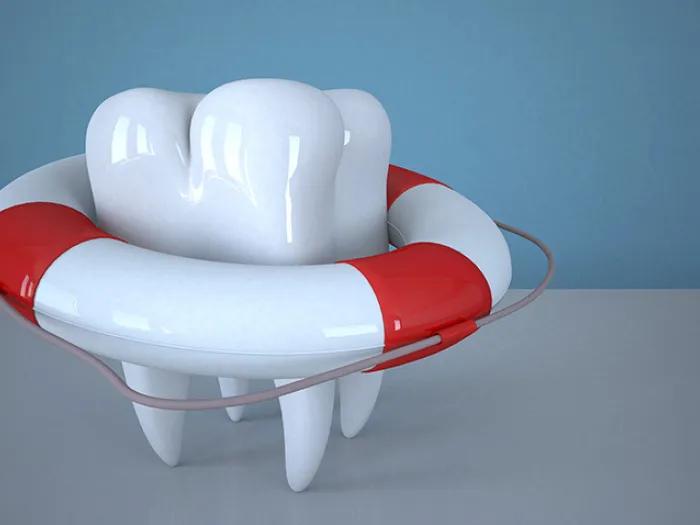
Medicaid Expansion Made Mouths Healthier, Study Finds
Medicaid expansion in Michigan led to better oral health among enrollees, and some reporters this improved their ability to perform at work or seek a job.

Health Lab
One in 10 Older Adults Have Gotten a “Pandemic Pet,” Poll Finds
People over 50 have been getting pandemic puppies, dogs and cats, and other companion animals, in 2020 and early 2021, according to a new poll.

Health Lab
Wanting the Pandemic to be Over is Not Enough
As vaccination continues, the power of masks and distancing to prevent the spread of coronavirus is still critical to reducing disease and death from COVID-19

Health Lab
What Will Future Historians Say About COVID-19?
Research on the history of pandemics shaped COVID-19 response, and studying the current pandemic could help reduce future death tolls.
Health Lab
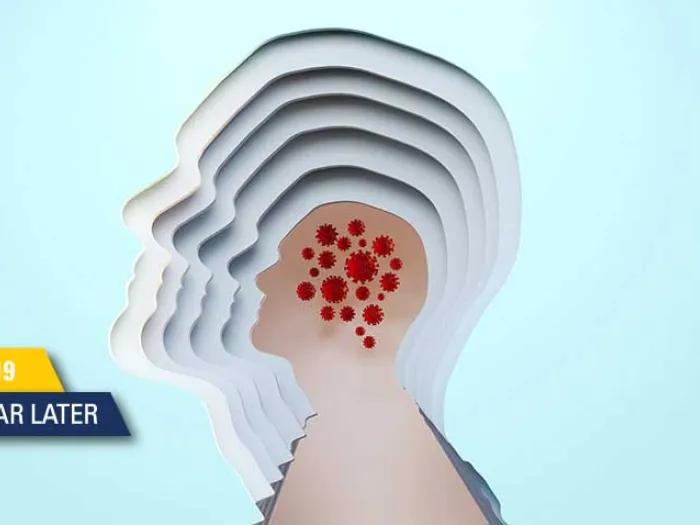
12 Mental health tips as life gets 'back to normal'
The anniversaries of COVID-19 lockdowns, deaths, and other milestones may hit you and others hard. Tips for coping or preventing distress.
Health Lab
Big Shift Seen in High-Risk Older Adults’ Attitudes Toward COVID-19 Vaccination
Black, Hispanic and chronically ill adults over 50 are much more likely to say they’ll get the COVID-19 vaccine than before, showing a reduction in vaccine hesitancy in just three months.
Health Lab
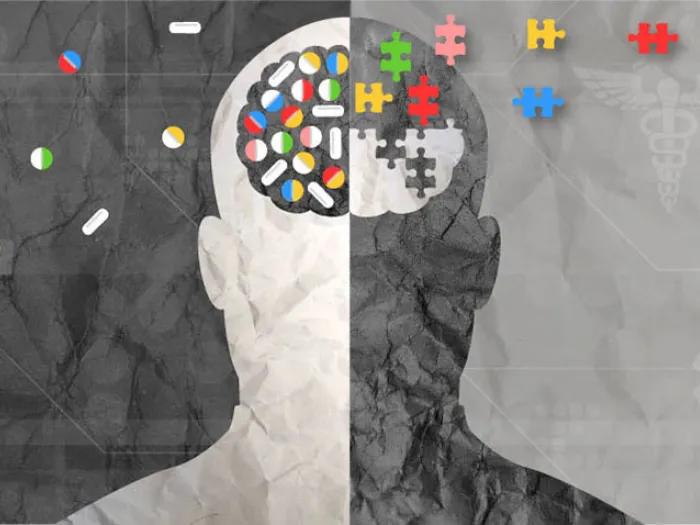
Troubling Trio: Many with Dementia Take Risky Combinations of Medicines
People with Alzheimer’s and other forms of dementia often receive medications for depression, anxiety, agitation, sleep problems, apathy and other behavioral issues. But combinations of three or more can be dangerous.

Health Lab
Most Older Adults, Especially Women, Haven’t Gotten Checked for Hearing Loss
Hearing loss often goes undetected, but many adults over 50 haven’t been screened or tested for hearing problems.
Health Lab
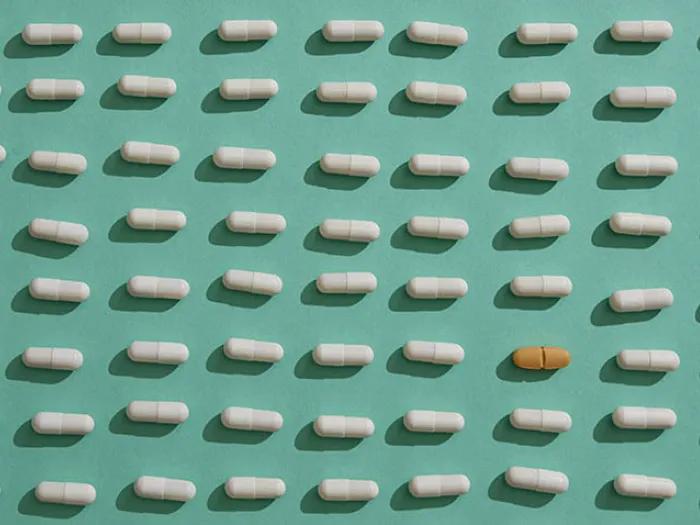
Most Dollars Spent on Top-Selling “Orphan Drugs” Don’t Go to Treat People with Rare Diseases
Pharmaceutical companies get special protection from the FDA for orphan drugs aimed at rare diseases, but a study shows high spending for common diseases for some such drugs.
Health Lab
Older Adults and Antibiotics: Study Shows Healthy Attitudes but Unhealthy Practices
Many take leftover doses from previous prescriptions, and expect new prescriptions for non-bacterial illness.

Health Lab
As Insurers End Grace Period for COVID-19 Hospital Costs, Study Estimates Potential Bills
Hospital care for COVID-19 has been free to most patients but insurance companies may be ending that; a study of flu-related hospital bills suggests a coronavirus hospital stay could now cost $1,000 on average.

Health Lab
Irregular Sleep Connected to Bad Moods and Depression, Study Shows
Irregular sleep schedules can affect mood and risk of developing symptoms of depression according to a study of first-year medical residents that used Fitbits and smartphones.
News Release
U-M Depression Center enters 20th year with new director and focus on next-generation research
U-M Depression Center’s leadership passed to a new generation, as the U-M Board of Regents approved Srijan Sen, M.D., Ph.D., as its next director.
