
Kara Gavin
Research and Policy Media Relations Manager
Gavin draws on more than 25 years of experience in communicating about science, medicine and health policy. She focuses mainly on the health services research done by members of the U-M Institute for Healthcare Policy and Innovation, who work to understand and improve the safety, quality, equity and affordability of health care. As part of the Michigan Medicine communication team, she has lead responsibility for primary care and mental health topics. Contact: [email protected]; Twitter: @Karag

Health Lab
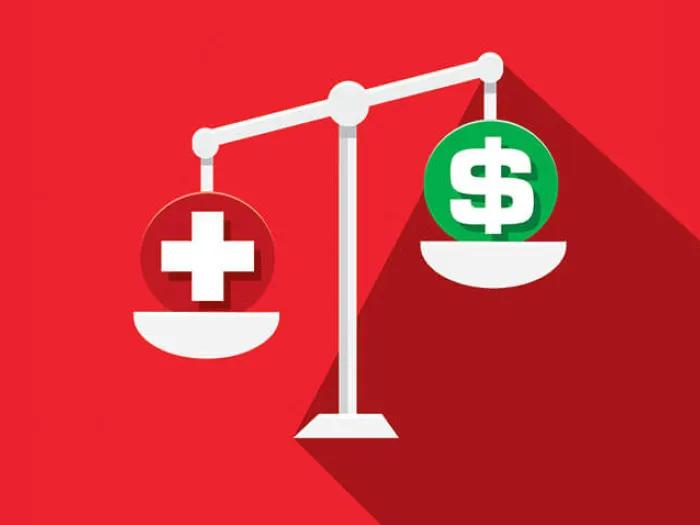
What happens when preventive care becomes free to patients?
Preventive services such as mammograms, birth control, immunizations and colonoscopy have no out-of-pocket costs under the Affordable Care Act.

Health Lab
One-third of older Americans delayed health care over COVID concerns
Worries about getting exposed to coronavirus in health care settings has led older adults to delay care during the pandemic.

Health Lab
Teamwork saves lives: COVID-19 hospital network shares key lessons to improve care
Hospitals across Michigan pooled COVID-19 patient data to reduce variation and improve outcomes in care, including antibiotic use, mortality risk prediction and VTE prophylaxis.
Health Lab
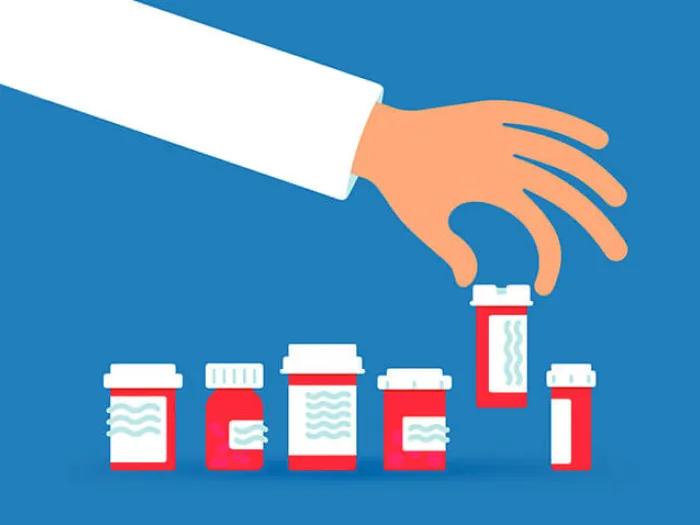
Many surgery patients get opioid prescriptions, but many don’t need to, study suggests
Opioid pain medication carries risks

Health Lab
Poll finds risky drinking patterns in older adults during pandemic
Pandemic alcohol use has gotten a lot of attention but new poll data show problematic drinking by many older adults.

Health Lab
Harnessing healthy behaviors to prevent dementia
Maintaining a healthy brain is another good reason people can take action on diet, blood pressure, exercise, alcohol, social interaction and more.
News Release
U-M to establish new Institute for Firearm Injury Prevention
The University of Michigan will launch a new Institute for Firearm Injury Prevention to generate knowledge and advance innovative solutions that reduce firearm injury, a public health crisis that leads to more than 100 deaths per day across the United States.

Health Lab
What will it take to get more of the U.S. vaccinated against COVID-19?
Prizes, lotteries, discounts and freebies for COVID-19 vaccination may help overcome vaccine hesitancy and reward the vaccinated too
Health Lab
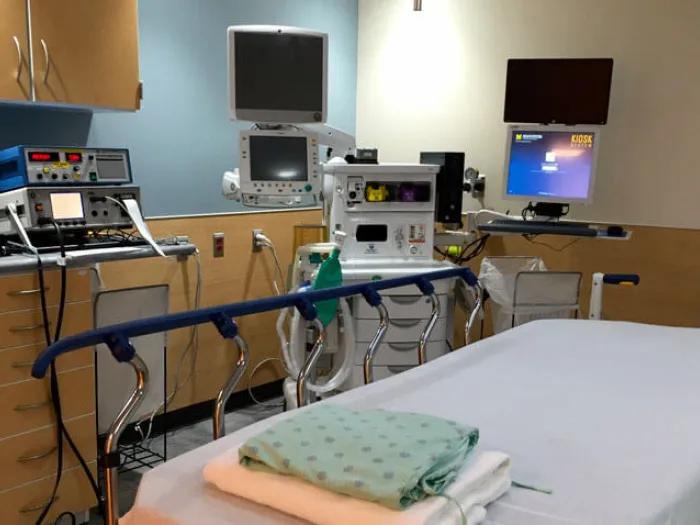
Pandemic Shows Essential Role of ECT Treatment for Severe Depression
Electroconvulsive therapy or ECT for severe depression and catatonia is an aerosol-generating procedure but new data show it should be allowed to continue in pandemics as an essential procedure.
Health Lab
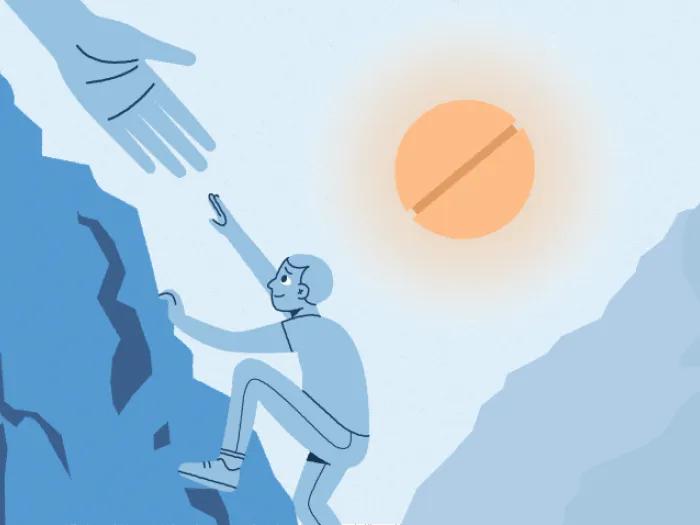
Treatment Barrier Falls, but More Remain, for People with Opioid Issues
Medication assisted treatment for opioid use disorder including addiction has required special prescriber training and certification. Biden administration policy changes that.
Health Lab
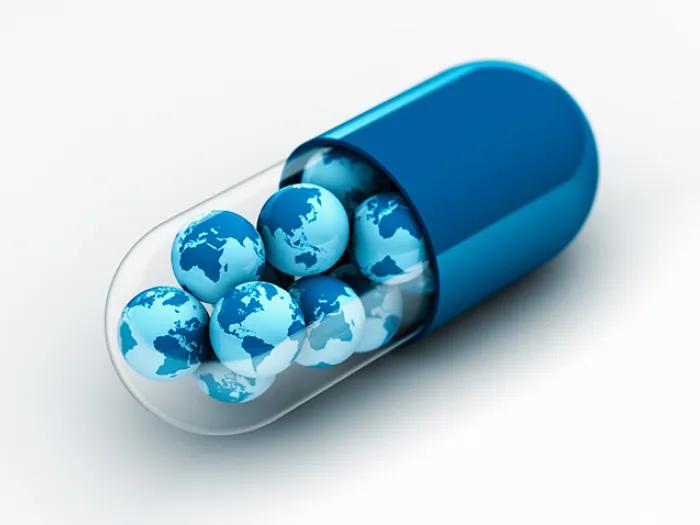
Vast Under-Treatment of Diabetes Seen in Global Study
Diabetes care should include medication to reduce blood sugar, cholesterol and blood pressure, and counseling on diet, weight and exercise. But few people in developing nations receive all of this.

Health Lab
What Lies Ahead for the Affordable Care Act?
A key Supreme Court ruling expected soon, and other policies and proposals playing out at the state and federal level.

Health Lab
Confused About the Latest Mask Rules? Read This
Vaccinated and unvaccinated people now have different mask rules to live by and they vary by setting, plus immunocompromised people and others may want to voluntarily wear a mask.

Health Lab
Stop Procrastinating on These Key Health Checks
If you put them off because of the pandemic, now’s the time to get them scheduled.
Health Lab
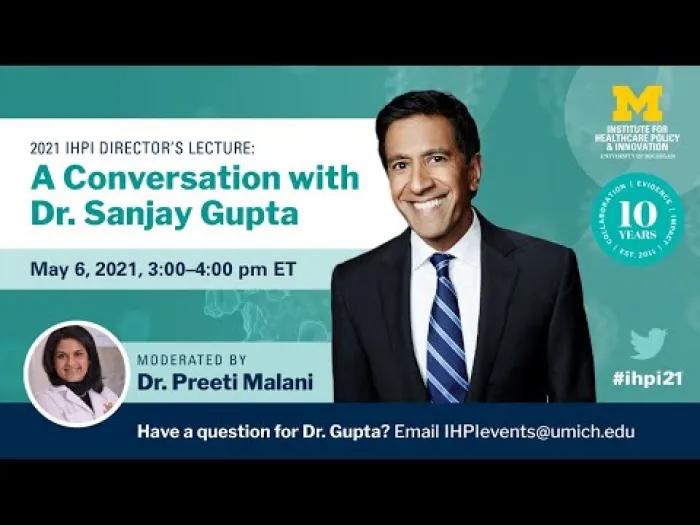
A Year-Long Sprint: Sanjay Gupta Reflects on Communications and the Pandemic
CNN health reporter Sanjay Gupta discusses a wide range of health communication topics and his personal experiences.
