
Kara Gavin
Research and Policy Media Relations Manager
Gavin draws on more than 25 years of experience in communicating about science, medicine and health policy. She focuses mainly on the health services research done by members of the U-M Institute for Healthcare Policy and Innovation, who work to understand and improve the safety, quality, equity and affordability of health care. As part of the Michigan Medicine communication team, she has lead responsibility for primary care and mental health topics. Contact: [email protected]; Twitter: @Karag

Health Lab
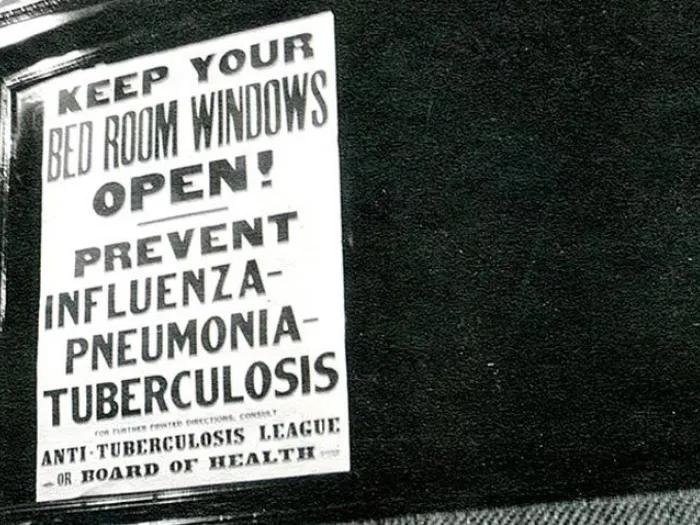
History doesn’t repeat, but it rhymes
Medical historians reflect on lessons from the “Spanish flu” influenza pandemic at the end of World War I and two years of the COVID-19 pandemic.

Health Lab
Older adults voice concerns about going to the operating room
As older adults reschedule elective surgery delayed or cancelled by the pandemic, a new poll shows many have concerns not just about COVID-19 but also about pain, caregiving and cost.

Health Lab
Even at top hospitals, low-income older cancer patients struggle after surgery
Unequal outcomes, and higher spending, seen in patients over 65 who are “dual eligible” for Medicare and Medicaid.

Health Lab
Stressed by what’s going on in Ukraine? How to cope – and help
News from Ukraine, including the potential nuclear threat from Russia, can be distressing. Tips for coping with the mental health impacts and donating to support relief for refugees both abroad and at home.
Health Lab
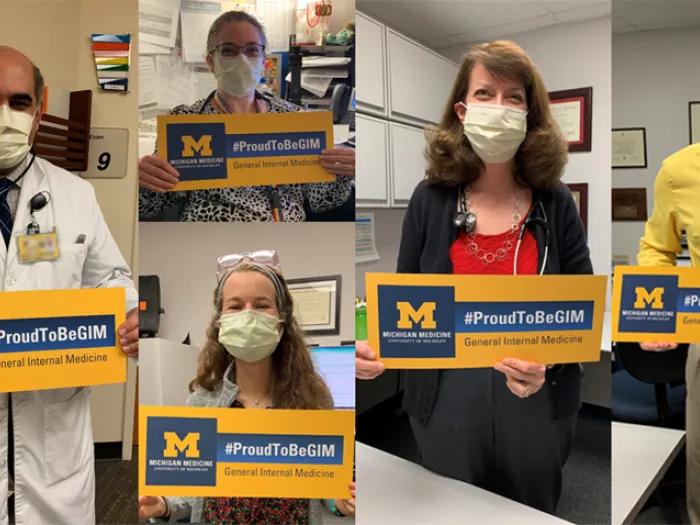
An unsung linchpin of pandemic care
Primary care’s role in managing COVID-19 patients, and the rapid evolution of telehealth, sets the stage for a different future.

Health Lab
ZIP codes matter when it comes to severe COVID-19
COVID-19 patients from areas with higher social vulnerability index scores were sicker when hospitalized, suggesting social determinants of health play a major role in COVID care access and outcomes.

Health Lab
Did the pandemic interrupt your health care? Time to get back on track!
Many people had doctor’s appointments and dentist appointments cancelled during the pandemic, but it’s important to reschedule to get primary care and prevention.
Health Lab
Hospitalized for COVID-19? Prepare to pay thousands of dollars
Patients with private insurance or Medicare Advantage could receive large bills for a COVID-19 hospitalization now that waivers of out-of-pocket costs have ended.

Health Lab
Pandemic disrupted many older adults’ health care plans
COVID-19 disruptions to health care visits during 2021 affected many older adults, and many still haven’t caught up needed care, especially the unvaccinated.

Health Lab
Follow-up costs can add up if a free cancer screening shows a potential problem
Colon cancer test, colonoscopy, lung CT, Pap smear, cervical exam or mammogram need to be followed up with more tests, but costs.

Health Lab
18 COVID myths dispelled by experts
Misinformation about COVID has spread in tandem with the virus and its variants. Michigan Medicine experts debunk myths about COVID vaccines, testing, illness, treatments and more.
Health Lab
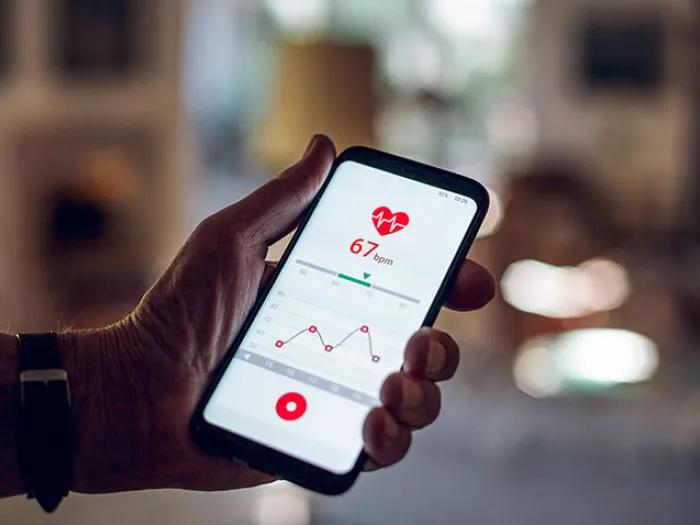
Health apps could help older adults, but most don’t use them
Mobile apps for smartphones and tablets are available to help older adults monitor and manage weight, exercise, mood, diabetes, sleep and more, but a poll shows many who could benefit don’t use them.

Health Lab
Where mental health help is scarce, telehealth makes a big difference
People with post-traumatic stress disorder (PTSD) and/or bipolar disorder living in rural areas engaged well with telehealth-based telepsychiatry, though the one who received local psychotherapy completed more sessions

Health Lab
Prevention suffers when doctors drop out of Medicare’s ACO program
Older adults got less diabetes and cholesterol screening when their primary care practice or health system left the Shared Savings Program.

Health Lab
Most older adults support steps to reduce firearm injury risk
Gun owners and non-firearm owners over 50 agree with measures to reduce firearm injury and death, including suicide, and accidental shooting. But many gun owners don’t practice safe storage even if children are in their home, the study shows.
