
Kara Gavin
Research and Policy Media Relations Manager
Gavin draws on more than 25 years of experience in communicating about science, medicine and health policy. She focuses mainly on the health services research done by members of the U-M Institute for Healthcare Policy and Innovation, who work to understand and improve the safety, quality, equity and affordability of health care. As part of the Michigan Medicine communication team, she has lead responsibility for primary care and mental health topics. Contact: [email protected]; Twitter: @Karag


Health Lab
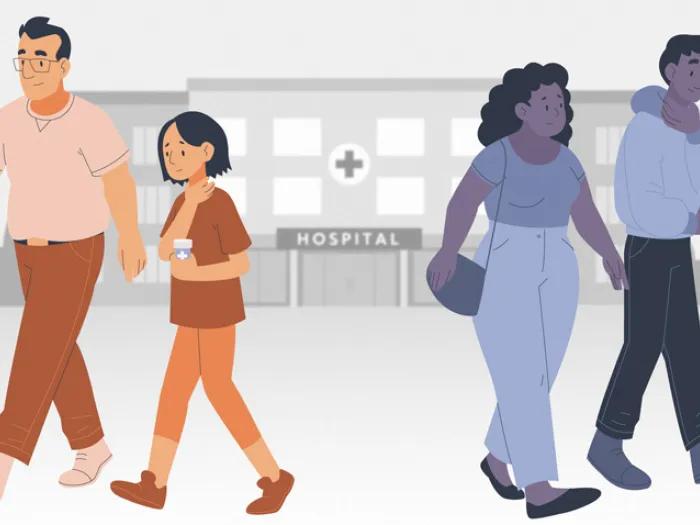
Study of pre-teens yields surprises about alcohol, tobacco and marijuana
Even at age 9 or 10, as many as 10% of children are curious about using substances, and many parents haven’t made specific rules or say kids’ access at home would be easy.
Health Lab
Winning by default: Tonsillectomy study shows power of pre-set opioid Rx size
Tonsillectomy pain is often treated with opioids, but leftovers can be a risk factor for misuse or abuse. Reducing the default prescription size in hospital computer systems could help right-size pain control.
Health Lab
Telehealth flexibilities didn’t send Medicare visits soaring, despite worries
Preliminary report of data shows steady level of virtual visits substituting for in-person visits.

Health Lab
Cost of brand-name epilepsy drugs increased by 277% over 8 years
Generic anti-seizure drugs’ costs went down during the same time, study shows

Health Lab
Ageism and health: Study shows close link
Nearly all older adults have experienced some forms of “everyday ageism,” but those with more health concerns had higher rates

Health Lab
COVID-19 vaccine incentives get mixed reception from young people
Vaccine incentives have been used to encourage COVID-19 vaccination and could be used in other immunization campaigns. A study looks at youth attitudes.
Health Lab
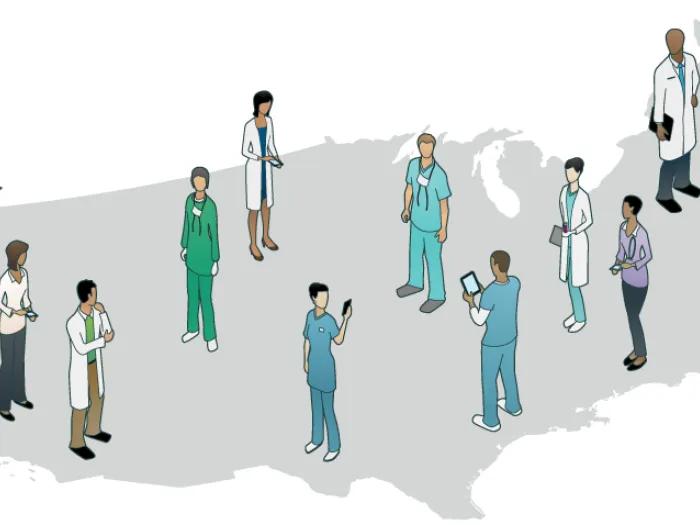
Doctors across state borders
Telehealth between providers and patients in different states: Medicare data show impact of temporary pandemic telemedicine rules.
Health Lab
Could time limits on opioid prescriptions reduce misuse?
Hundreds of thousands of surgical and dental opioid prescriptions are filled a month or more after writing, but one state’s law helped reduce this “delayed dispensing”.

Health Lab
Gen Z wants health providers to ask about food, housing, safety and more
A poll shows strong support for clinics’ efforts to screen for, and providing support for, social determinants of health.

Health Lab
Good news, bad news on risky medication use in nursing homes
The VA’s efforts to reduce use of risky antipsychotic medications in its nursing homes succeeded – but use of other medications with less evidence behind them rose.
Health Lab
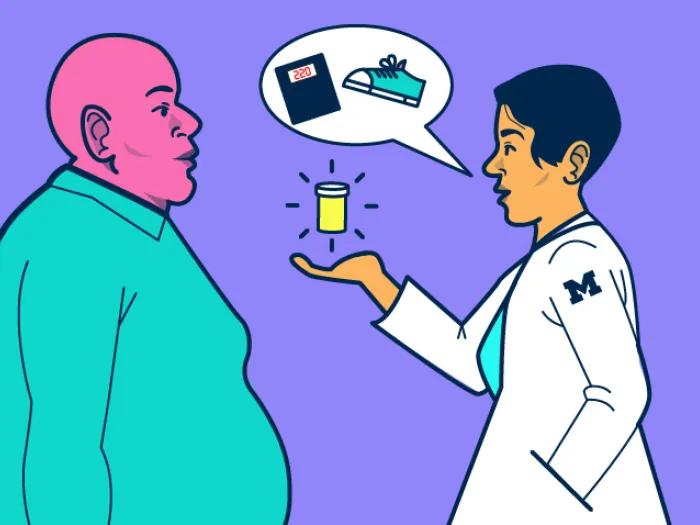
What will it take to transform obesity care?
Although obesity is now known to be a chronic disease that often doesn’t respond to diet and exercise alone, many people with obesity don’t have access to weight loss drugs and operations.

Health Lab
Dementia diagnosis often comes as part of costly crisis
Medicare costs around the time of a dementia diagnosis are much lower for older adults screened proactively rather than those diagnosed while experiencing a health issue

Health Lab
Aging well in a pandemic: Older adults share what it takes
The pandemic took a toll on older adults, but especially on those whose physical or mental health was already suffering, a new poll shows. This group may need extra support to age as well as possible.
Health Lab
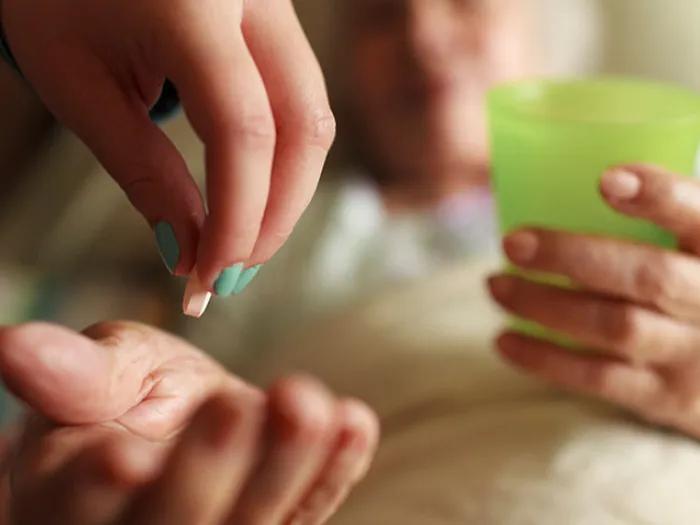
Hospices vary widely in prescribing “comfort kit” medications
Hospices often prescribe medicines like Xanax, Haldol and Seroquel to patients to ease end-of-life symptoms, but a new study shows very wide variation in the chances patients will get these drugs.

Health Lab
Poll shows impact of menopause and other health issues on older women’s sex lives
Sexual health is linked closely to physical and mental health for older women, with menopause playing a big role, a new poll finds.
