
Beata Mostafavi
Public Relations Manager
Mostafavi leads media relations and content creation for University of Michigan Health C.S. Mott Children’s Hospital and Von Voigtlander Women’s Hospital. Prior to joining Michigan Medicine in 2012, Mostafavi spent 10 years as a journalist. Contact: [email protected]

Health Lab
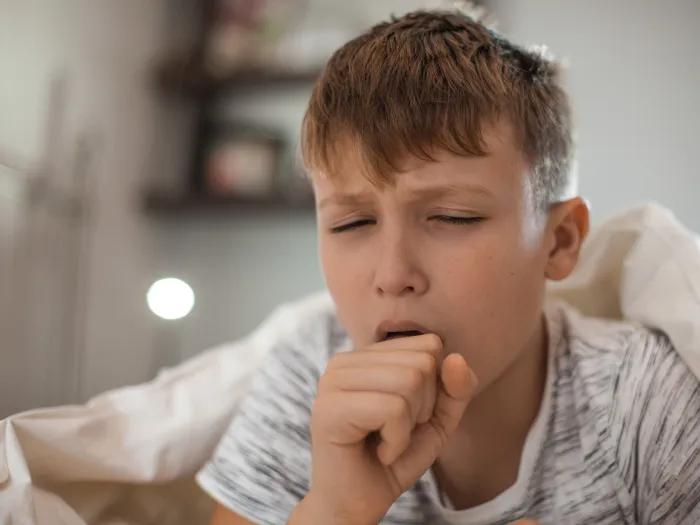
Whooping cough cases are on the rise: 5 things to know
Cases of a bacterial lung infection known as whooping cough, or pertussis, have been on the rise, with more than double the number of cases compared to last year.

Health Lab
Sharp spike seen in emergency visits for life threatening pregnancy complication
Hypertensive disorders of pregnancy, the second leading cause of maternal deaths worldwide, may be sending a significantly higher number of pregnant people to the emergency department.

News Release
Mott named No.1 children’s hospital in state, among best in the country by U.S. News & World Report
University of Michigan Health C.S. Mott Children’s Hospital has again been recognized as the top children’s hospital in Michigan and among the best in the nation for pediatric specialty care.

Health Lab
From babies needing heart surgeries to Michigan Wolverines
After long congenital heart journeys at University of Michigan Health C.S. Mott Children’s Hospital and U-M Health West, three 2024 Grand Rapids area high school graduates are back at University of Michigan: this time, as official Michigan Wolverines.

News Release
$25M gift to benefit patients at U-M's new Weiser Family Center for Breast Cancer, spur additional giving
Michigan Medicine will launch a new era in comprehensive breast cancer care, thanks to a generous donation from the Weiser Charitable Foundation.
Health Lab
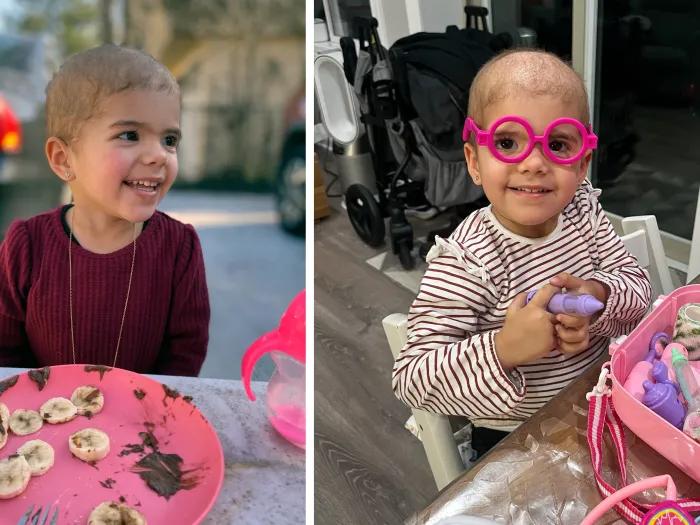
3-year-old back to cheerful self following complex surgery for rare aggressive chest tumor
A young girl gets back to her childhood after a 3D printed replica of her tumor helps her Michigan Medicine surgical team perform a successful operation.
Health Lab
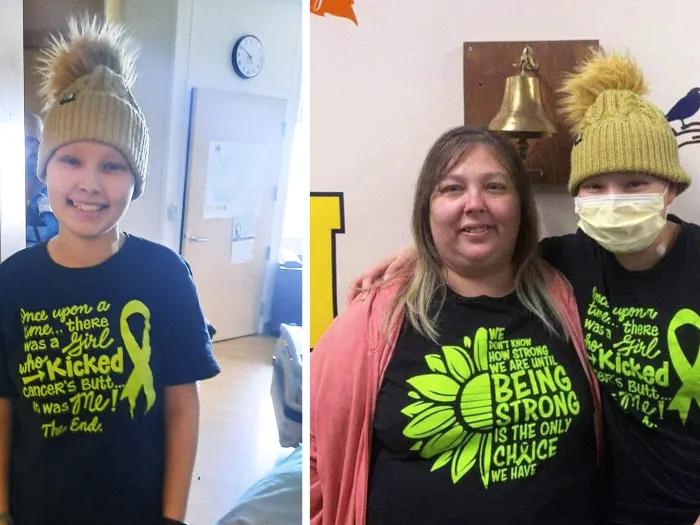
Teen with bone marrow transplant shares cancer journey online
A teenager shares her rare lymphoma diagnosis and bone marrow transplant story online.
Health Lab
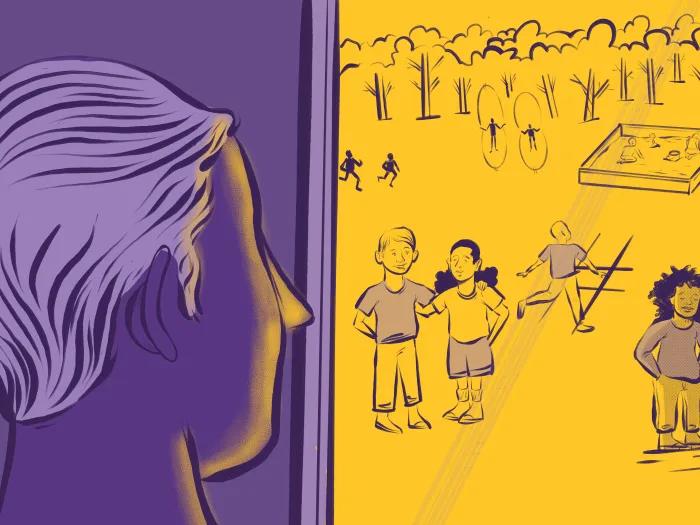
1 in 5 parents worry their child doesn’t have friends
Many parents worry about their children’s friendships, according to a national poll, with one in five saying their child ages six to 12 has no friends or not enough friends.

Health Lab
Racial and ethnic designation inaccuracies in children's medical records may impede equity efforts
A study from the Michigan Child Health Equity Collaborative, also known as Mi-CHEC, found substantial errors across the three health systems in racial and ethnic designations in their electronic medical records.

Health Lab
Teen heads to college after complex journey with rare neuromuscular disease
A teenager shares her journey with spinal muscular atrophy and how she’s successfully headed off to college now.

Health Lab
Back to school viruses: what’s new with parvovirus B19, RSV, flu and COVID in kids
An expert shares more about back to school seasonal viruses, such as parvovirus B19, RSV, flu and COVID.

Health Lab
Many parents want help preventing their child from developing hereditary health conditions
Poll shows two thirds of parents want their healthcare provider to suggest ways to prevent their child from developing a health problem that runs in the family

Health Lab
Diet while breastfeeding could be connected to baby’s nutrition
A study offers clues to how lipids, or fat, in a breastfeeding individual’s blood may be connected to their baby’s nutrition.
Health Lab
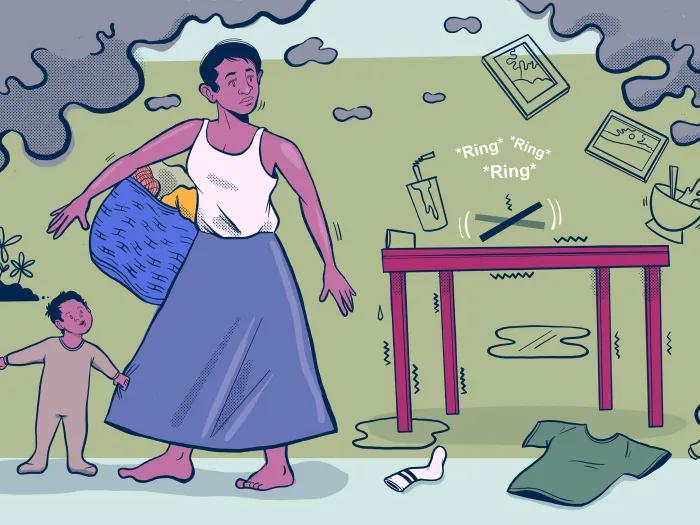
Parents who frequently pick up phones due to device notifications may be more stressed
Parents received an average of almost 300 mobile notifications per day between 2020-2021, a small Michigan Medicine study suggests. And when those buzzing pings – whether from work emails, messages or other apps – prompted parents to pick up their phones, they experienced greater daily parental stress.

Health Lab
Are your kids wearing the right shoes?
In a national poll some parents acknowledged a lack of confidence in ensuring their children are wearing properly fitting shoes – which experts say is necessary to support growth and prevent injuries.
One in seven parents also say they’ve had concerns about their child’s feet or the way they walk while one in 10 parents report their child has complained of foot pain, according to the University of Michigan Health C.S. Mott Children’s Hospital National Poll on Children’s Health.
