
Health Lab Articles

Health Lab
In academic hospitals, study finds these groups disproportionately affected by workplace mistreatment
A study finds that women, racial and ethnic minorities, and individuals identifying as lesbian, gay, bisexual, transgender and queer are disproportionately affected by workplace mistreatment in academic medicine, and this mistreatment negatively impacts their mental health.

Health Lab
Health policy needs data. How can researchers help?
Tips and advice for translating health research findings into relevant, timely and compelling information

Health Lab
Hiking Patagonia after spine surgery
Despite undergoing a spinal laminectomy surgery, a 73-year-old individual successfully completed a trip to Patagonia just three months later. Read about their inspiring journey and the exceptional care they received at University of Michigan Health.

Health Lab
During the pandemic, hospital transfers were complex and distressing
A study from the University of Michigan Center for Bioethics & Social Sciences in Medicine examined the factors that went into this decision-making—and the moral distress that often resulted from it.
Health Lab
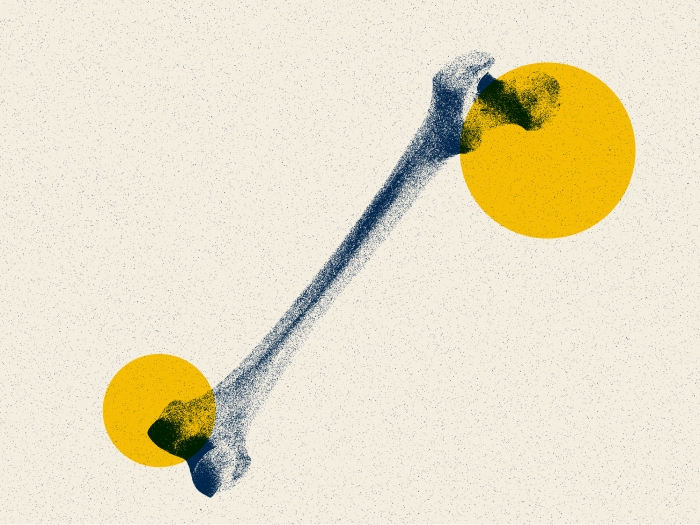
Excess physical activity can cause strain in young feet
New research from Michigan Medicine shows that excessive physical activity during summer sports can lead to weakened tendons and bones in children. It is crucial to balance activity with rest to prevent injury.

Health Lab
Rare congenital heart disease no match for one mother
For a rare heart condition, finding and getting to the right team of specialists at Michigan Medicine saved her life, and her chance to have kids.

Health Lab
A promising new target for antibiotics
A promising target for new and improved antibiotics are riboswitches, small stretches of RNA that regulate a process necessary for the production of proteins by the bacterial cell.

Health Lab
A new life after stroke
A 34-year-old mom of two was able to recover after receiving life-saving stroke care, including treatment for a hole in her heart, at Sparrow Health System, part of U-M Health.

Health Lab
Research sheds light on low rates of genetic testing for cancer
Research finds genetic testing for cancer can bring more knowledge to patients and their relatives, but not many people get it done.

Health Lab
Fighting back against Parkinson's disease
The program, held at TITLE Boxing Club in Ann Arbor, is an affiliate of Rock Steady Boxing, a national nonprofit organization. Boxing helps patients with dopamine regulation, strength, stamina and camaraderie.

Health Lab
What parents should know about eating disorders
Michigan Medicine experts talk about what parents should know about eating disorders.

Health Lab
Study shows promising treatment for tinnitus
Tinnitus, the ringing, buzzing or hissing sound of silence, impacts 15% of adults in the United States have tinnitus. A recent study from researchers at the University of Michigan’s Kresge Hearing Research Institute suggests relief may be possible with treatment.

Health Lab
Making kid’s eye care more accessible
In Michigan, families don’t have to travel far for top pediatric eye specialists

Health Lab
VA hospitals adapting to the COVID-19 pandemic
A recent study comparing the impact of COVID-19 on VA and non-federal hospitals showed the VA structure held several distinct advantages when adapting to the pandemic including the ability to quickly expand bed capacity, retain staff, mitigate supply shortages and avoid financial hardship.
Health Lab
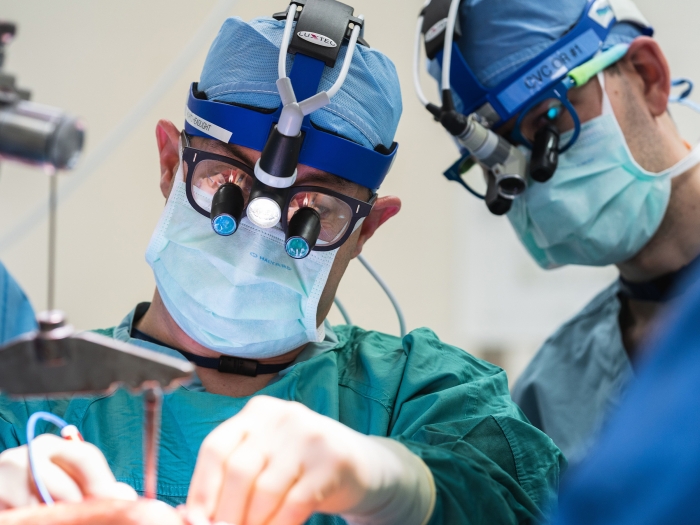
U-M Health performs its first heart transplant after cardiac death
As the number of heart transplants performed across the United States continues to grow, surgeons at the U-M Health are taking advantage of technology that could increase its transplant yield by as much as 30%. Transplant surgeons in Ann Arbor completed the health system’s first heart transplant using an organ from a donor who had recently died — a process called donation after circulatory death, or DCD.
