
Health Lab Articles
Health Lab
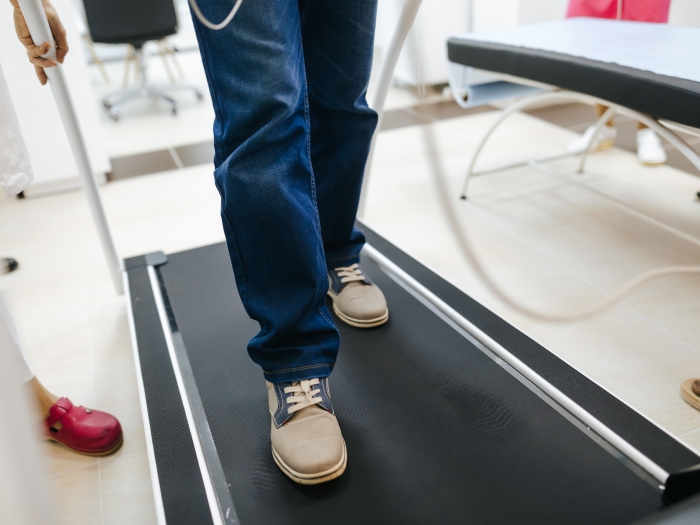
Cardiac rehabilitation reduces risk of death years after heart surgery, still underutilized
A Michigan Medicine study finds people who participate in cardiac rehabilitation have a decreased risk of death years after surgery, with a trend towards better outcomes in patients who attend more sessions.
Health Lab
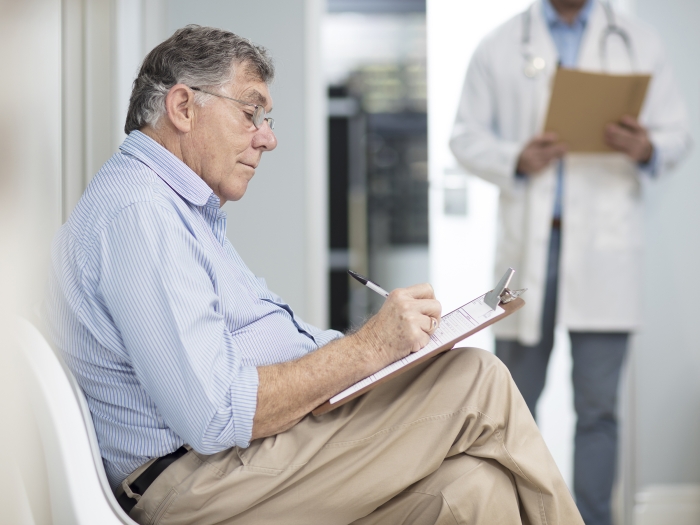
Early signs of Alzheimer’s: Most older adults see the value of screening but haven’t been tested
Screening for dementia, Alzheimer’s disease and cognitive impairment is something most older adults want for themselves or feel others their age should have access to.

Health Lab
Most parents don’t use patient portal benefits for their children
1 in 3 parents who have set up a portal for kids have used it to get advice about their child’s illness, injury or symptoms

Health Lab
Michiganders now rely on telehealth for care. What’s next?
The rapid rise in telehealth and telemedicine use during the pandemic helped increase access to care for people in rural areas especially those with mental health provider shortages.
Health Lab
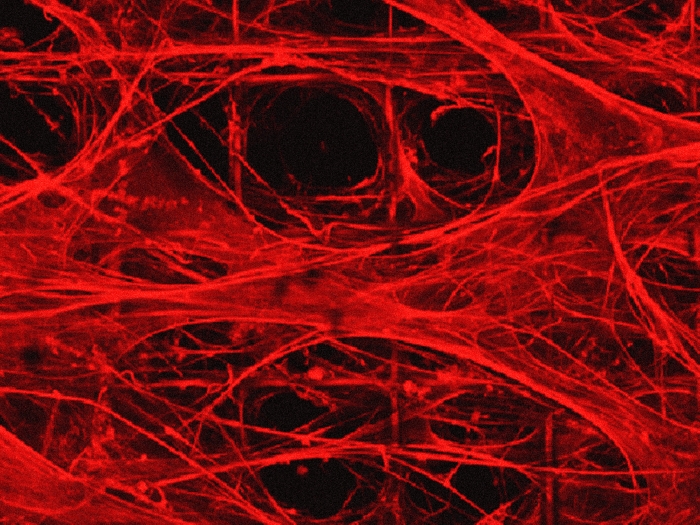
Artificially grown ‘mini-brains’ without animal components bring opportunities for neuroscience
University of Michigan researchers developed a novel method to produce artificially grown miniature brains that could impact how neurodegenerative conditions are studied.

Health Lab
Social media use is a double-edged sword for teens. What can caregivers do?
In the wake of a Surgeon General’s advisory, experts offer tips for families of teens and tweens

Health Lab
Long in decline, maternal mortality rate trends have stalled in recent years
After decades of falling global maternal mortality rates, has the momentum evaporated? A new WHO report suggests just that, and Michigan Medicine researchers are urging their peers not to take their collective eye off the ball.
Health Lab
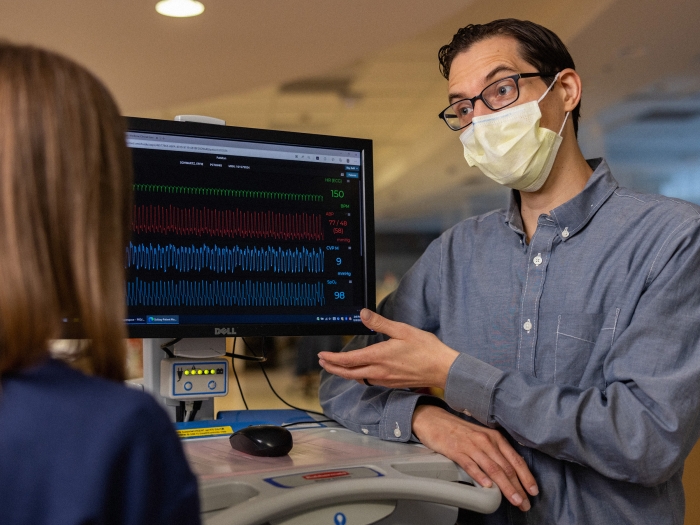
Mobile monitoring system transforms bedside care
The Mobile Monitoring Transformation Project, supported by the Sickbay Clinical Platform will allow care team members to access data from cardiac monitors and all connected bedside devices on workstations, PCs, phones and tablets. The new web-based technology will transform bedside care and greatly enhance collaboration among care team members. A pilot was run last year, and units in different buildings will begin using the new technology this week, with a larger rollout planned.

Health Lab
Expanding Medicaid improved care without crowding out other patients
Medicaid expansion associated with rise in doctor’s appointments that included high value care, while not leading to a reduction in visits by people with other forms of insurance.
Health Lab
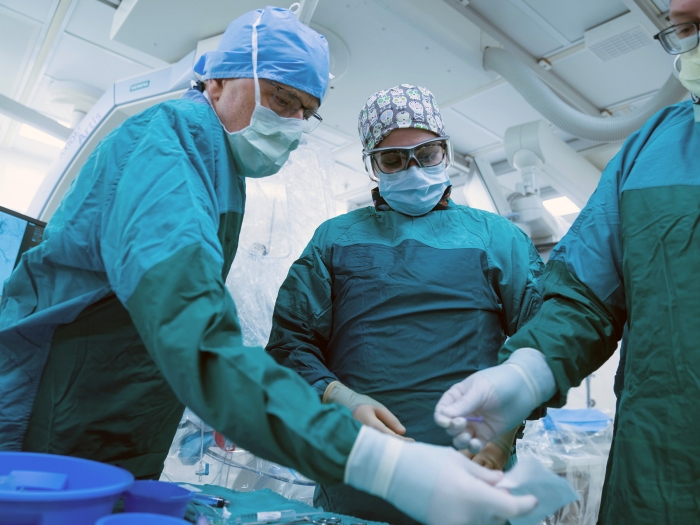
Ramping up medical recycling
U-M Health is implementing a project called the medical plastics recycling initiative with the goal of reducing waste and taking a step toward the organization’s carbon neutrality goals. After a successful pilot in Mott and VonVoigtlander, the initiative is rolling out into other operating rooms, targeting “blue wrap” and other non-contaminated medical plastics to increase the recycle rate and divert plastics from landfills. DuPont has been a key ally in this project, helping to create environmentally safe solutions for the organization.

Health Lab
What you can do now to prevent Alzheimer’s disease
Three experts share knowledge on Alzheimer’s prevention, treatment and research
Health Lab
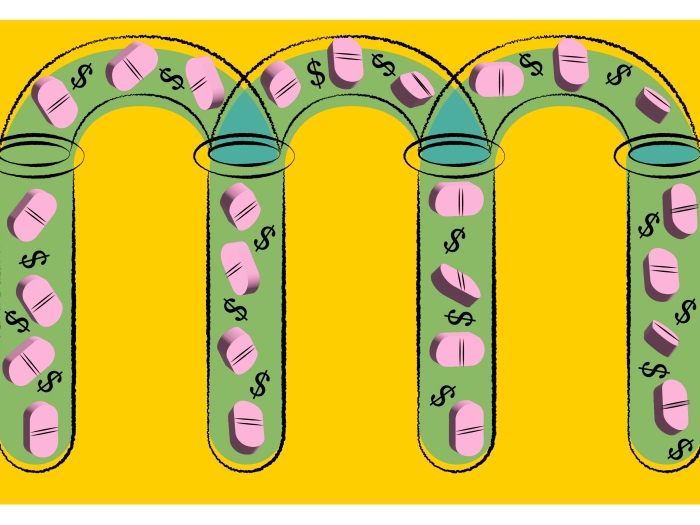
Changing the way immune-based cancer drugs are delivered could reduce costs by 14%
An analysis finds that up to millions of dollars could be saved annually on cancer immunotherapy treatments across the Veterans Health Administration by reconsidering how those drugs are delivered.

Health Lab
Study suggests need for iron tests in teen girls & young women
A national study of blood ferritin and hemoglobin levels from tween, teen and young adult females suggests routine screening might be needed for iron deficiency and anemia
Health Lab
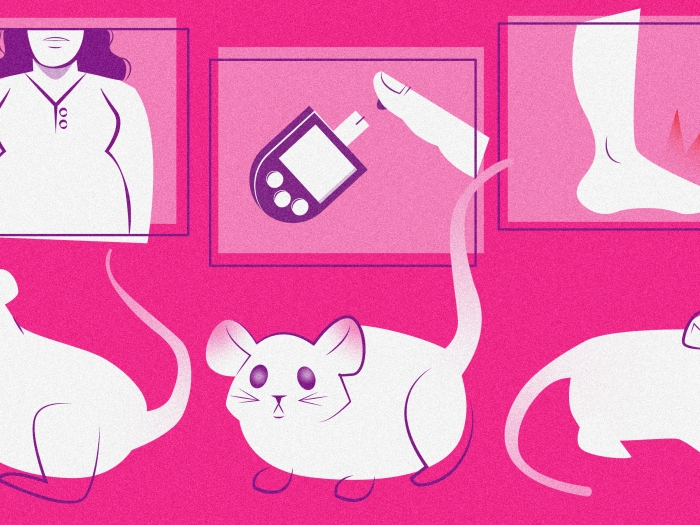
How a high-fat diet may alter the gut microbiome and lead to peripheral nerve damage
But Michigan Medicine-led research suggests that the gut microbiome, the trillions of bacteria that live in our guts, may serve as this link between a high-fat diet and metabolic and nerve health.
Health Lab
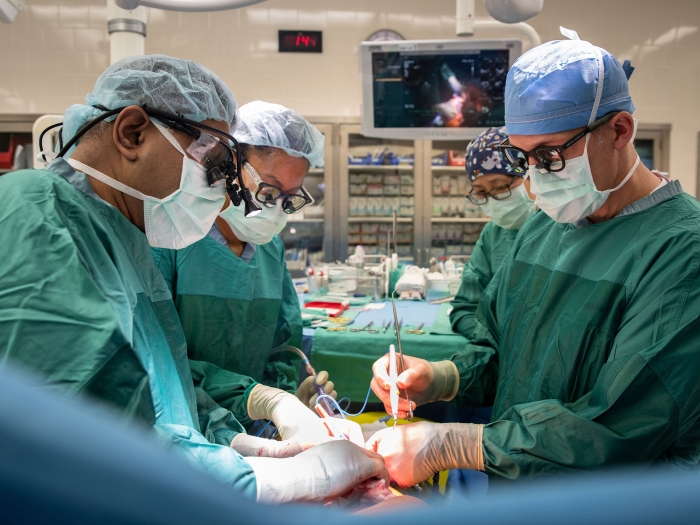
Researchers discover new opportunities for preventing kidney injury following cardiac surgery
Researchers discover new opportunities for preventing kidney injury following cardiac surgery.
