
Health Lab Articles

Health Lab
Should older adults, with fewer years to live, keep getting cancer screenings?
Cancer screening guidelines increasingly factor in how long a person has left to live, to guide whether to continue or stop screening. A new poll explores older adults’ attitudes toward this approach.

Health Lab
What to do when pain lingers
Experts at Michigan Medicine are focusing on helping people with chronic pain, which is defined as pain that lasts more than three months.

Health Lab
Childbirth associated with significant medical debt
Postpartum individuals are more likely to have medical debt than those who are pregnant, suggests a Michigan Medicine led study that evaluated collections among a statewide commercially insured cohort of 14,560 pregnant people and 12,157 people in the postpartum period.
Health Lab
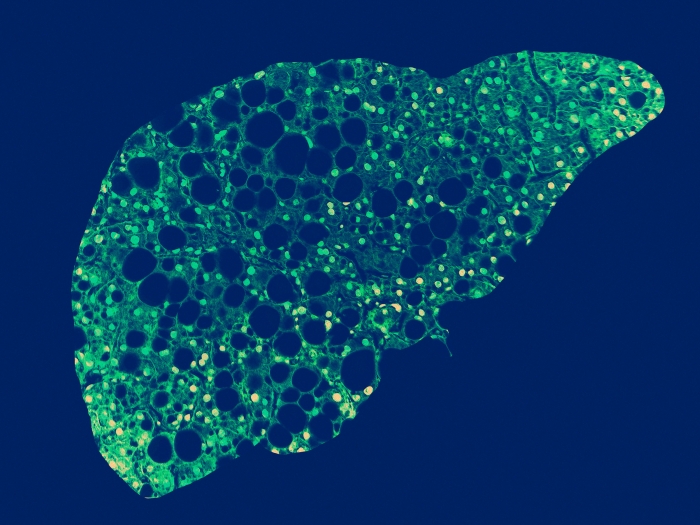
Genetic variation with MASLD reveals subtypes and potential therapeutic avenues
A Michigan Medicine team of experts seeks to identify the human genetic causes of MASLD, formerly called NAFLD
Health Lab
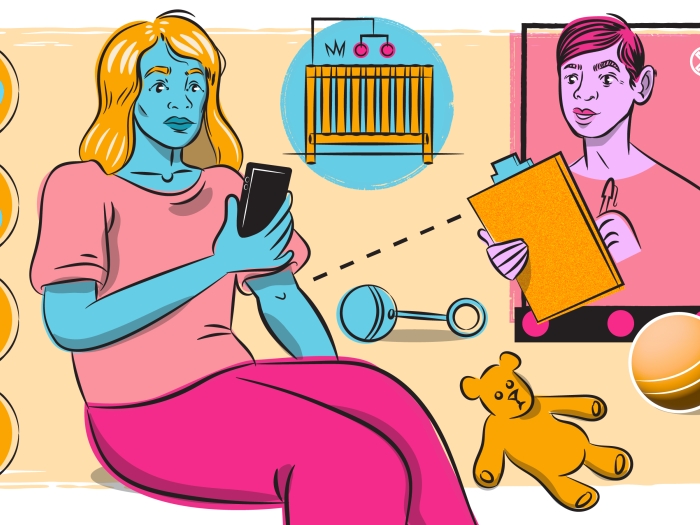
A pill to treat postpartum depression? It’s here
The fast-acting postpartum pill offers more convenience than the postpartum depression infusion treatment, brexanolone (branded Zulresso), which has been available since 2019, but cost concerns remain. As with all mental health medications, zuranolone should be paired with psychosocial treatment to treat all factors contributing to the disease.

Health Lab
Study: Average teen received more than 200 app notifications a day
A Michigan Medicine expert explains more of a report’s key findings on cell phone use and how parents can support a healthy use of technology.
Health Lab
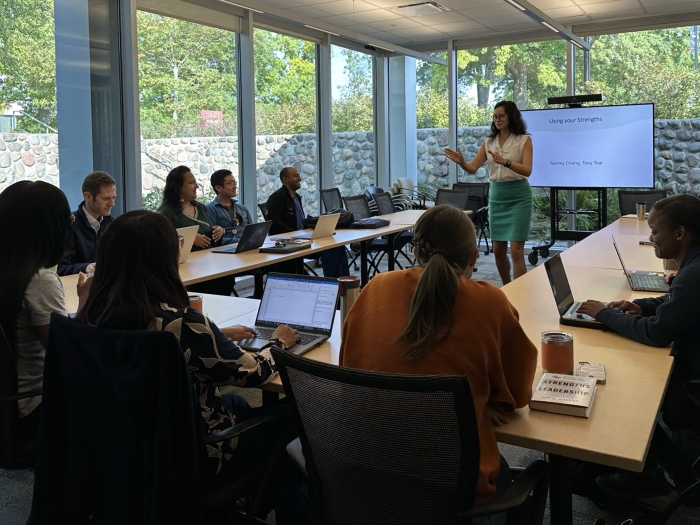
A training ground for healthcare innovators
Advanced programs in healthcare equip doctors, nurses, and others with the skills and knowledge needed for successful careers in health. Explore how Michigan’s Clinician Scholars Program can empower healthcare innovators across different disciplines and enhance medical education.
Health Lab
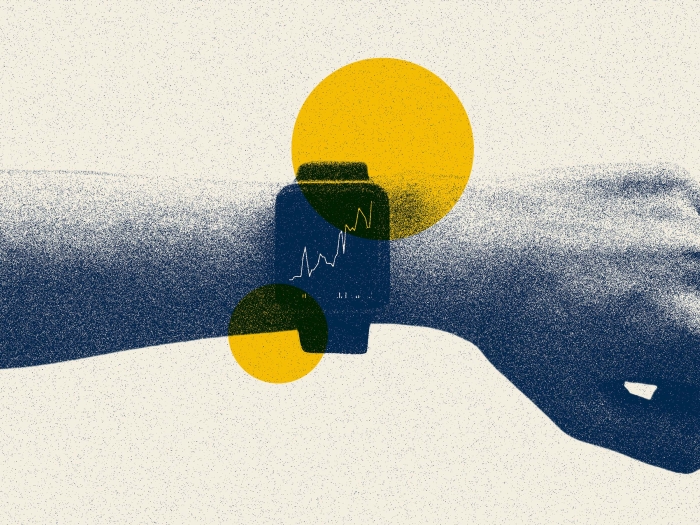
Tailored text messages not enough to improve mobility after heart issues
A Michigan Medicine report shows that adding a mobile health application to such devices yields mixed results. Tailored text messages to encourage high-risk people to move more may improve some short-term outcomes but doesn’t always improve physical activity levels for everyone.

Health Lab
A unique collaboration helps one patient better manage aortic disease
MI-AORTA is a donor-funded initiative that facilitates collaboration within the Frankel Cardiovascular Center, U-M Health and referring provider networks, creating value for the patients, families, and communities they serve and allows them to continue to pioneer advanced therapies for aortic diseases.

Health Lab
Improvements in human genome databases offer a promising future for cancer research
A gene sequencing method called ribosome profiling has expanded our understanding of the human genome by identifying previously unknown protein coding regions. Also known as Ribo-seq, this method allows researchers to get a high-resolution snapshot of protein production in cells.

Health Lab
Combating Crohn’s with comics
A teenage patient’s unique way of detailing his experience with Crohn’s disease.
Health Lab
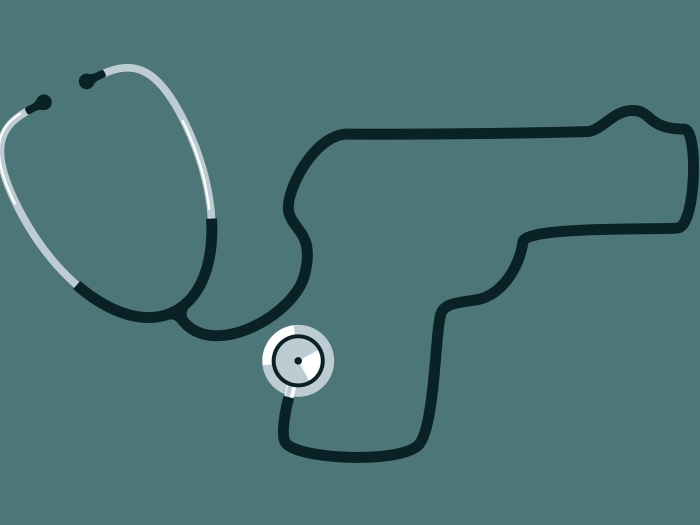
Many primary care providers and patients wary of discussing firearms
Screening primary care patients for gun ownership has been recommended especially for people with mental health issues. A Michigan Medicinestudy shows wariness by providers and patients.

Health Lab
The surprising origin of a deadly hospital infection
Surprising findings from a Michigan Medicine study in Nature Medicine suggest that the burden of C. diff infection may be less a matter of hospital transmission and more a result of characteristics associated with the patients themselves.

Health Lab
Gene links exercise endurance, cold tolerance and cellular maintenance in flies
A study in PNAS identifies a protein that, when missing, makes exercising in the cold that much harder—that is, at least in fruit flies.

Health Lab
High rate of mental health problems and political extremism found in those who bought firearms during COVID pandemic
Firearm purchases rose during the pandemic and a survey shows high rates of mental health issues and political extremism among those who bought guns during 2020 and 2021.
