Pregnant and Want Advice on Healthy Weight Gain? Google Isn’t Your Best Bet
Popular websites largely contain incomplete, inaccurate or no specific recommendations on weight gain during pregnancy.
8:00 AM
Author |
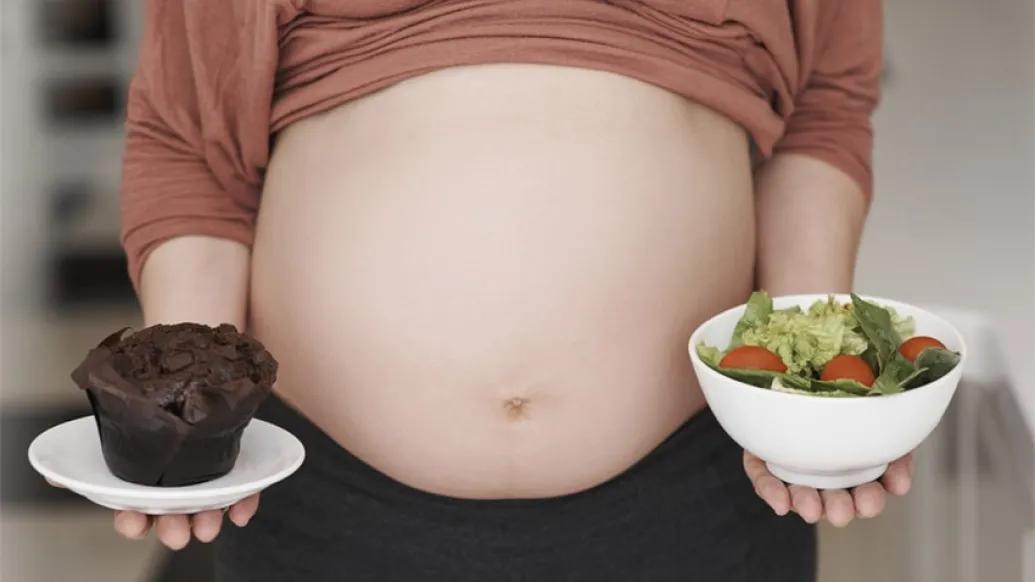
If you're trying to make sure your weight gain is healthy while pregnant, your favorite online pregnancy website may not be your best source.
University of Michigan researchers analyzed top webpages from Google searches about pregnancy weight gain and found that less than two-thirds actually contained correct information on the subject.
Popular, for-profit websites dominated the online space regarding weight gain during pregnancy, and these sites largely contained incomplete, inaccurate or no specific recommendations, authors say. The findings appear in the Journal of Medical Internet Research.
"Excess weight gain affects nearly half of all pregnancies in the U.S., and it puts both mom and their babies at risk for poor outcomes like long-term obesity," says lead author Tammy Chang, MD, MPH, MS, an assistant professor of family medicine at the University of Michigan Medical School.
"Many women turn to popular pregnancy sites for information, but those may not be the best sources when it comes to advice on weight gain," she says. "Our findings suggest a need for greater efforts in the clinic and in the community to support healthier pregnancies among high-risk women and children."
The harms of excessive pregnancy pounds
Too much weight gain during pregnancy is associated with high blood pressure, gestational diabetes, prolonged labor, birth injury, cesarean sections and larger babies.
Excess weight gain during pregnancy may also be associated with increased risk of obesity for both mother and child long term.
The U-M team Googled 114 common phrases used to search for weight gain during pregnancy and evaluated the top 10 hits from each search, leading to nearly 300 webpages.
Chang and colleagues found that government and medical organizations were most likely to have accurate and complete information. But these sites represented less than a fifth of sites people would encounter if they searched for "weight gain during pregnancy."
"Women may still be hearing pregnancy myths like 'eating for two,'" says Chang, who is also with U-M's Institute of Healthcare Policy and Innovation. "We need to do a better job of making sure pregnant women have access to information on what is a healthy amount to gain during pregnancy, including maintaining a healthy diet and staying active to keep both mom and baby as healthy as possible."
Tips on staying healthy during pregnancy
-
Calculate your pre-pregnancy BMI to determine how much weight you should gain during pregnancy based on the most recent guidelines.
-
Eating for two doesn't mean double the food intake. (Remember that one of you is the size of a pea and only grows to be a few pounds.) A good rule of thumb is to increase your caloric intake by 100 calories per day during your first trimester, 200 calories per day during your second trimester and 300 calories per day during your third trimester.
-
Make those extra calories nutrient-packed. Think lean proteins, nuts, vegetables, fruits and whole grains.
-
Stay active during pregnancy. Try to get in at least a short walk each day during your first trimester, and strive for at least a brisk 30-minute daily walk in later months. Unless directed differently by your doctor, pregnant women can typically maintain their pre-pregnancy activity level, including regular exercise, during pregnancy.
-
These are just general guidelines. Be sure to discuss pregnancy and weight gain with your health care provider to determine what's best for you.

Health Lab
Explore thousands of health news & research stories by visiting the Health Lab homepage for more.
Media Contact

Public Relations
Department of Communication at Michigan Medicine
Stay Informed
Want top health & research news weekly? Sign up for Health Lab’s newsletters today!
Featured News & Stories

Better prenatal care data could help prevent maternal complications, experts say
2 heartbeats, 1 future: Why pregnancy is a critical window for women’s heart health
Born under a pound: Two newborns beat extraordinary obstacles in the NICU
Sharp spike seen in emergency visits for life threatening pregnancy complication
Diet while breastfeeding could be connected to baby’s nutrition