Myth Busting: No More 8 Glasses a Day
The widespread advice to drink eight 8-ounce glasses of water per day lacks evidence. A U-M physician promotes listening to your body instead.
3:50 PM
Author |
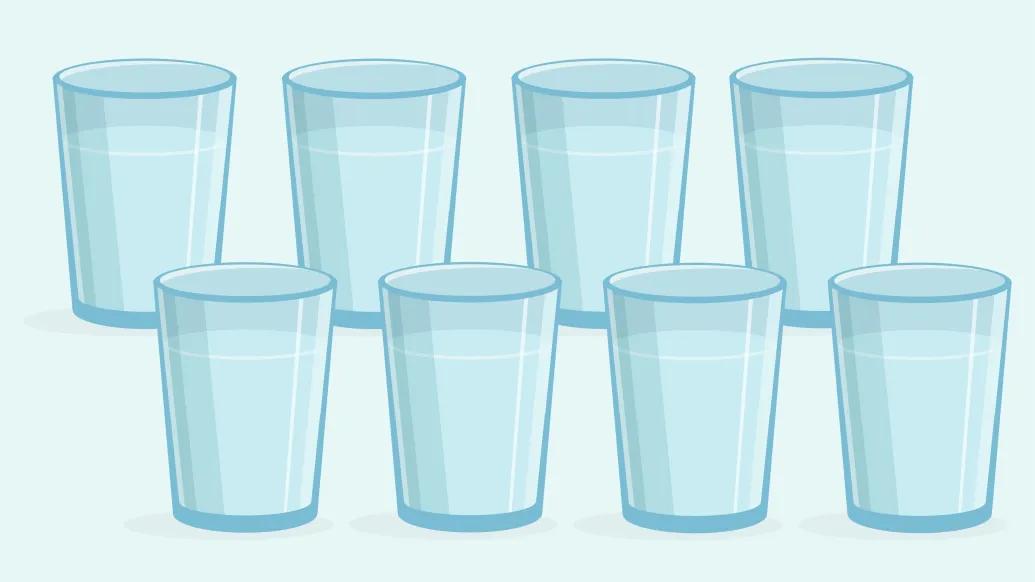
One of the most common reasons a woman comes to the urogynecology practice is urinary frequency — going to the bathroom more than what she considers normal or common.
Sometimes this means in comparison to friends and relatives, and, sometimes, it relates to what was previously normal for her.
When we talk more, often the urinary frequency coincides with a change in a woman's drinking habits — and the most common one is increasing her water intake. There is a popular and deeply held myth that we should all be drinking more water for more health benefits. There are a growing number of smartphone apps that track water intake during the day and provide automatic reminders to those falling behind. Many of these women feel guilty for not drinking "enough."
What do we tell patients in this case?
Stop drinking eight 8-ounce glasses of water a day.
The 8x8 myth
There is no medical evidence that drinking that much water is beneficial to your health. Yet I hear from many patients who believe it is necessary for good health.
In fact, that tip was popularized by a widely known weight loss program, but there is even no medical evidence that it helps with weight loss. Drink only if you're thirsty, and never feel as if you have to force yourself to drink more.
Water is a good, healthy option for what to drink — you just don't need to force it. (Instead, drink water to replace a high-calorie beverage such as regular soda pop!)
A lot of foods contain water, which helps us meet this threshold, and few of us are in danger of becoming dehydrated. The body has a highly sophisticated regulatory system that monitors hydration and then sends you a message to drink when you need to.
If you exercise regularly, you need to drink more to replenish what you've lost in sweat. Some medical conditions like kidney stones mean that you should drink more. Discuss those with your doctors.
Another easy way to check your hydration status is by the color of your urine. Urine should be a pale yellow color — perhaps like that of a common sticky note. Urine does not need to be clear like water. There are some vitamins — such as B complex — and foods that can change the color of your urine, but don't feel pressured to have it be very pale or clear.
As I tell my patients, "What comes in, must come out." If you drink more, you will have to go to the bathroom more. Save yourself the time and worry, and just drink when your body tells you.

Health Lab
Explore thousands of health news & research stories by visiting the Health Lab homepage for more.
Media Contact

Public Relations
Department of Communication at Michigan Medicine
Stay Informed
Want top health & research news weekly? Sign up for Health Lab’s newsletters today!
Featured News & Stories

After 13 years of IV nutrition, teen finds freedom to just be a kid

Are you at risk of a genetic disease? Guidelines for testing should be updated, experts say

Updated prostate cancer screening guidelines emphasize benefits of early detection

Small Pauses, Bigger Impact: Mindfulness in Action

High dose oxytocin protocol linked to lower postpartum hemorrhage rates