Why you need the flu vaccine this year more than ever
Here’s why experts say you should get it now.
5:00 AM
Authors |
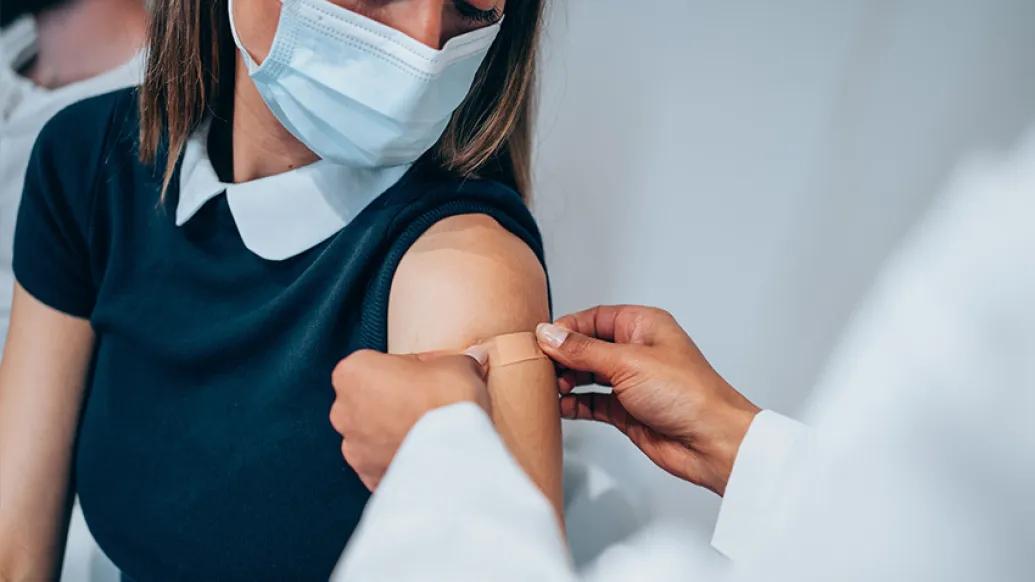
When in-person meetings were cancelled for virtual Zoom and Google Meets during the beginning of the pandemic, many of the usual winter illnesses—particularly the flu—appeared to be cancelled as well.
Now, though, missing out on cold and flu season last year may result in major consequences this season.
"We almost had a non-existent flu season last year," said Pamela Rockwell, D.O., a family medicine physician at University of Michigan Medical School. "What that means is that there are very few people who may have some immunity to the influenza virus.
This increase in cases could impact more than just your health, Rockwell explains, but also the health care system in general, as it could reduce the availability of beds and adequate health care staff.
MORE FROM MICHIGAN: Sign up for our weekly newsletter
"If we get influenza this year and need hospitalization, there may be added concerns for the hospital system and our infrastructure and the availability of beds, or doctors, nurses or other health care staff who may be able to care for you if you need care."
Who's at high risk for getting the flu?
According to Rockwell, those who are most at risk for severe disease from the flu include young kids, specifically children under age five, and adults over 65.
"Children under 5 are more at risk for severe disease from influenza, and especially children under age 2," said Rockwell. "Kids can start getting flu vaccines at six months, so anyone six months and older is advised to get an influenza vaccine this year, but especially young kids and older adults. Anyone 65 and older is at higher risk for influenza disease."
The list of people who need the vaccine is quite long, Rockwell explains. Everyone six months and older should get the flu shot, especially anyone with chronic health conditions such as asthma, liver, kidney or heart problems, diabetes, obesity, and anyone who has a history of a stroke or lives in a long-term care facility is particularly at risk. Pregnant persons are also at risk of severe illness due to influenza, and it is important for them to get a flu shot.
"It's very important for us all to get flu shots," Rockwell said, "but especially those people who are at high risk for influenza severe disease and also important for us to continue safe and effective COVID-19 prevention with social distancing, washing our hands frequently, wearing face masks when in public indoor spaces and making sure we have been vaccinated against COVID-19."
When should you get the flu vaccine?
Even though you may associate the flu season with the winter, it's important to know that it starts much earlier than that, and that it also takes two weeks for your body to display a strong immune response to any vaccine, including the flu shot.
"Although we haven't seen much flu activity just yet, flu season can start as early as October, so now is the time to get vaccinated against the flu," Rockwell said.
Like Podcasts? Add the Michigan Medicine News Break on iTunes, Google Podcasts or anywhere you listen to podcasts.
Can you get the flu shot and a COVID-19 vaccine at the same time?
Yes, you can get both the flu shot and the COVID-19 vaccine at the same time, according to the Centers for Disease Control and Prevention.
Rockwell's only guidance?
"If possible, try to get the shots in opposite arms in case you experience a localized reaction or you need to track any side effects."

Health Lab
Explore thousands of health news & research stories by visiting the Health Lab homepage for more.
Media Contact

Public Relations
Department of Communication at Michigan Medicine
Stay Informed
Want top health & research news weekly? Sign up for Health Lab’s newsletters today!
Featured News & Stories

How to safely celebrate the holidays and avoid getting sick

Back to school viruses: what’s new with parvovirus B19, RSV, flu and COVID in kids

What’s the latest on 7-OH and kratom availability and addiction care?

Better prenatal care data could help prevent maternal complications, experts say

Many hospitals still don’t do enough to prevent UTIs from catheters