
To Prevent Problems Later, Put Your Money Where Your Mouth Is Now
A new poll shows that many adults cite cost as a reason to avoid the dentist. But the investment is part of maintaining good health — and free or low-cost care may be available.
7:00 AM
Author |
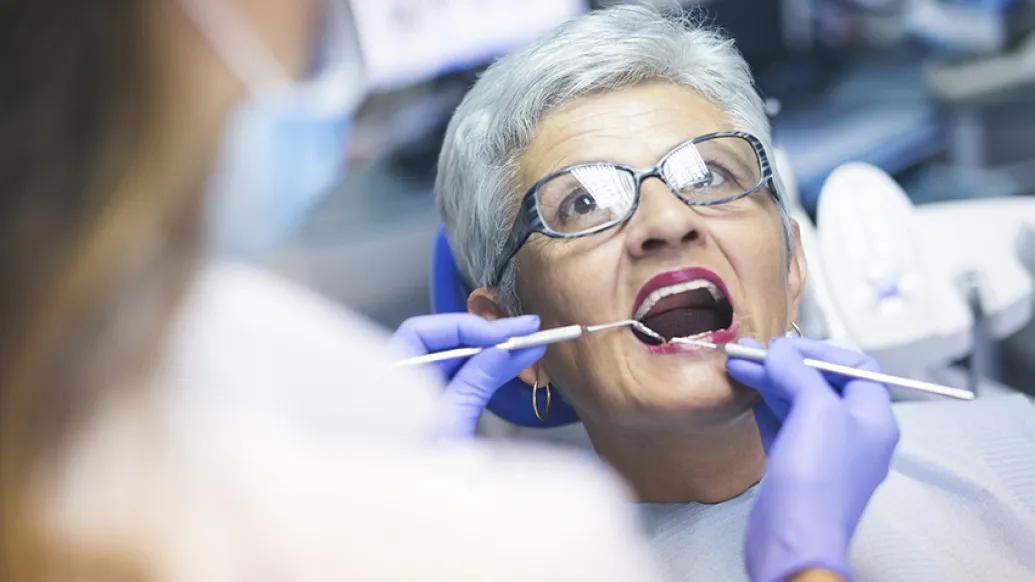
How long has it been since you had your teeth professionally cleaned and examined?
If you're like 40 percent of middle-aged Americans, the answer is "too long."
MORE FROM MICHIGAN: Sign up for our weekly newsletter
New results from the University of Michigan National Poll on Healthy Aging suggest that many people are delaying or skipping basic preventive dental care. In fact, 1 in 4 is waiting until there's a problem before seeking a dentist.
The biggest reason: cost, including a lack of insurance that covers dental care. Others said they're just too busy. Some are afraid.
No matter why people avoid the dentist, it may be setting them up for painful tooth problems — and greater costs — over time. When it comes to the mouth, after all, prevention is key.
Most of the poll participants (a national sample of 1,066 adults ages 50 to 64) agree with that idea and said that regular dental care is important for preventing oral health issues.
Decay, infections or pain that starts in the teeth and gums can spread, and the resulting ailments may interfere with everything from eating to seeking a job to having heart surgery.
No coverage? Not uncommon
The poll found that 28 percent of middle-aged Americans lack dental insurance. That's more than two and a half times the percentage of people in this age group who are uninsured for medical care.
SEE ALSO: Want to Save on Prescription or Over-the-Counter Drugs? Speak Up
Even though the mouth is very much part of the body, the two kinds of insurance are separate for most Americans.
Medicare doesn't cover dental care, so you can't "save up" your problems and get them fixed once eligible at age 65. Many states' Medicaid programs don't cover dental care, either.
Some organizations and elected officials are seeking to change this, or to expand the kinds of licensed professionals who can provide basic dental care, with the goal of reducing costs.
Low-cost and alternative options
How can you find proper dental care, both now and when you're older?
Consider these ideas:
1. If you have a job that offers a dental plan, consider enrolling. (Many open enrollment periods are coming up soon for coverage beginning in January.) For little or no cost, you can get regular professional checkups and cleanings — and your dental hygienist or dentist can spot issues early.
2. If you don't have a job-related insurance option, many individual dental plans are available. Shop around for one that fits your needs and budget. The American Dental Association offers information about dental coverage.
3. Some individual health insurance plans available through the Affordable Care Act's online insurance marketplace offer dental care, even though it isn't required. Enrollment starts in November for coverage in 2018.
4. If you belong to an organization, such as one for people in your line of work, your community or your age group, check their website for member benefits — they may offer a group dental plan.
5. If you qualify for Medicaid, call or search online to find out if your state offers dental coverage through its Medicaid program.
6. If you can't afford dental insurance, you should still get a professional cleaning and checkup regularly.
-
You can search for free or low-cost dental clinics, including ones based at dental schools, at Tooth Wisdom, a project of the nonprofit Oral Health America.
-
Look for federally qualified health centers in your area via the Health Resources and Services Administration. These centers receive federal funding to serve the uninsured and underinsured.
-
Search for free clinics in your state via the National Association of Free & Charitable Clinics. These may also offer low-cost exams or refer you to resources.
-
Check with your state dental association to see if it offers a directory or advice on finding low-cost dental services.
-
Dental providers sometimes offer cleanings and exams to hundreds or thousands of uninsured people on a single day or weekend. The America's Dentists Care Foundation offers links to state groups that organize these large-scale events.
Even if it takes some online searching or phone calls to find a suitable option, the effort is well worth it. Taking care of your teeth now can save you pain, money and worry later.

Health Lab
Explore thousands of health news & research stories by visiting the Health Lab homepage for more.
Media Contact

Public Relations
Department of Communication at Michigan Medicine
Stay Informed
Want top health & research news weekly? Sign up for Health Lab’s newsletters today!
Featured News & Stories

Many older adults make Medicare decisions quickly and most don’t change plans, poll finds

What’s the latest on 7-OH and kratom availability and addiction care?

Better prenatal care data could help prevent maternal complications, experts say

Many hospitals still don’t do enough to prevent UTIs from catheters

Digital alerts support timely treatment decisions of critically ill cardiac patients

