One-third of older Americans delayed health care over COVID concerns
Making up appointments for chronic conditions and regular preventive care recommended.
3:31 PM
Author |
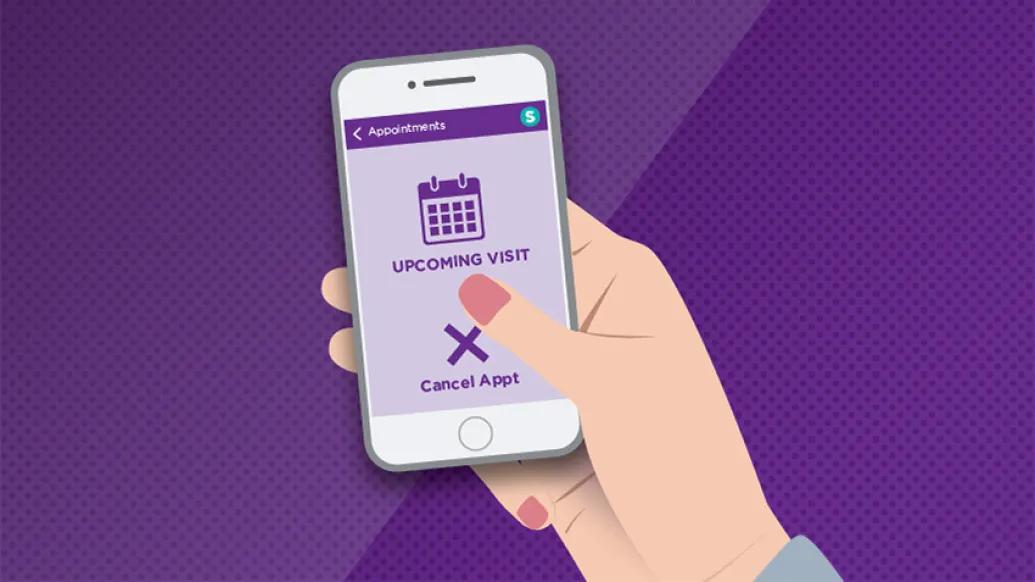
Nearly one in three Americans between the ages of 50 and 80 put off an in-person appointment for medical care in 2020 because they were worried about exposure to the novel coronavirus, new national poll data show.
The findings suggest that even though most health care settings adapted early to reduce patients' exposure risk from staff and fellow patients, concern about exposure to the virus that causes COVID-19 was enough to cause them to delay already scheduled care.
The percentage was even higher among older people who have asthma (37%), who are Black (40%), and who report that their mental health is fair or poor (45%). Men, and those over 65, were less likely to say they'd delayed care, with 27% of both groups saying they had put off seeing a doctor, nurse or other health professional due to COVID concerns.
Even 24% of people with cancer, 29% of people with diabetes and 30% of people with heart conditions, said they had put off at least one in-person visit.
The findings, from the National Poll on Healthy Aging based at the University of Michigan Institute for Healthcare Policy and Innovation, come from a poll taken in January. The poll receives support from AARP and Michigan Medicine, U-M's academic medical center.
Like Podcasts? Add the Michigan Medicine News Break on iTunes, Google Podcast or anywhere you listen to podcasts.
"What these findings suggest is that health care providers and older adults both need to make a concerted effort to get back on track with the care that can help manage chronic conditions and spot complications, as well as regular preventive care," said Preeti Malani, M.D., poll director and a Michigan Medicine infectious disease physician also trained in geriatrics.
Health care providers and older adults both need to make a concerted effort to get back on track with the care that can help manage chronic conditions and spot complications, as well as regular preventive care.Preeti Malani, M.D.
"While telehealth has made it possible for many older adults to see providers virtually, and patient portals allow them to message their providers and see their records, we know from past polls that not all older adults are comfortable or experienced with these technologies," she said. "And of course, some forms of care, and nearly all diagnostic tests and preventive screening, can only be provided in person."
SEE ALSO: Costs, COVID-19 Risk and Delays Top Older Adults' Concerns About Seeking Emergency Care
The new poll results build on past findings from the poll about older adults' reluctance to seek emergency care during the pandemic. A poll report released in December based on a poll taken in June 2020 showed that 86% of older adults were concerned about COVID-19 exposure if they went to the emergency department.
Data from that same time period showed that 26% of older adults had at least one telehealth visit with a health care provider between March and May of 2020, when many elective health services were postponed by providers, often under public health provisions in states and cities. And 45% of older adults had not established a patient portal account that would allow them to communicate with their health providers, or potentially schedule a COVID-19 vaccination, the poll team reported early this year.
The new poll data do not include information about what percentage of older adults rescheduled a delayed appointment, or when in the pandemic they had delayed a scheduled visit.
SEE ALSO: Stop Procrastinating on These Key Health Checks
Going forward, Malani said, it will be important to study the lasting effects of the pandemic on adults' patterns of care for chronic conditions and regular preventive care, as well as the impact of a backlog of appointment requests on access to timely care.
The National Poll on Healthy Aging results are based on responses from a nationally representative sample of 2,074 adults aged 50 to 80 who answered a wide range of questions online in January 2021. Questions were written, and data interpreted and compiled, by the IHPI team. Laptops and internet access were provided to poll respondents who did not already have them.

Health Lab
Explore thousands of health news & research stories by visiting the Health Lab homepage for more.
Media Contact

Public Relations
Department of Communication at Michigan Medicine
Stay Informed
Want top health & research news weekly? Sign up for Health Lab’s newsletters today!
Featured News & Stories

How to safely celebrate the holidays and avoid getting sick

Pandemic stress weighs heaviest on least-healthy older adults

Many older adults make Medicare decisions quickly and most don’t change plans, poll finds

Many hospitals still don’t do enough to prevent UTIs from catheters
15 years of data will help uncover how flu spreads—and how to reduce its impact