Old Drugs in Your Medicine Cabinet? Here’s What to Do with Them
Unused medications pose a risk to other people and the planet. Learn about how to dispose of them safely.
8:31 AM
Author |
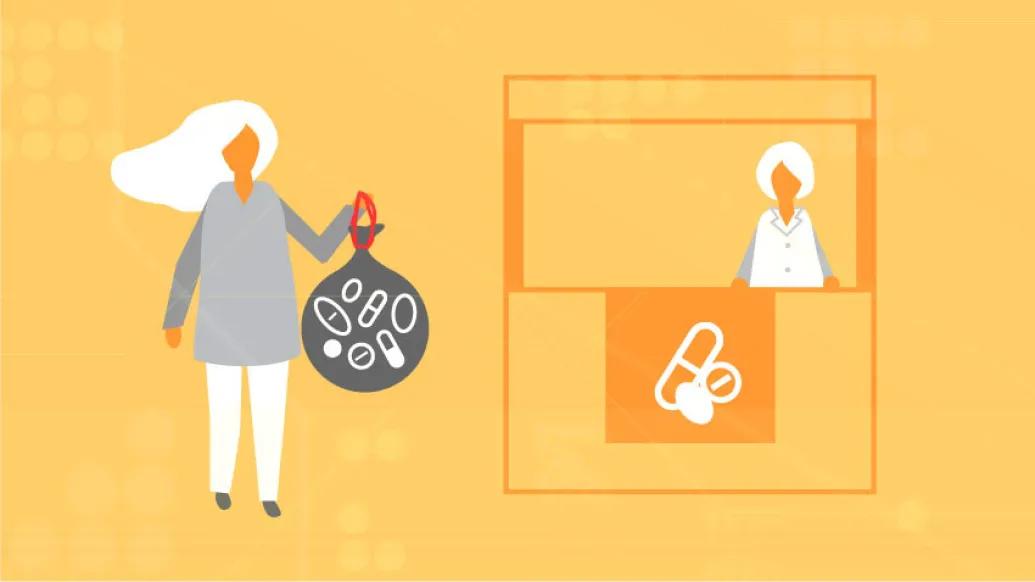
They're haunting the back of your medicine cabinet like the Ghosts of Illnesses Past.
Pain pills your doctor prescribed years ago after that operation. Antibiotics from a child's last ear infection. Half-finished, crusty bottles of cough syrup and leftover sleeping pills.
It's bad enough these old drugs are taking up valuable storage space. But they could also be dangerous to people and the environment.
Fortunately, it's easier than ever to get rid of them safely with drug take-back events. Read on to learn why you should ditch old or expired medications — and how to do it.
What's the risk of old medication?
Let's start with those pain pills, especially ones that contain codeine, morphine or some other opioid.
They could be the gateway to addiction if someone takes them for nonmedical reasons. In fact, many of the heroin overdoses plaguing our country may be the tragic endings to addictions that began with the misuse of prescription opioid pain medicines.
SEE ALSO: Urgent Care vs. the Emergency Room: What's the Difference?
Many people get a "just in case" prescription of opioids from their surgeon. But such prescriptions have been linked to long-term opioid use in both adults and teens, according to U-M research.
So if your surgery pain is gone, it's time to get rid of the painkillers you didn't take. Don't hold on to them in anticipation of future pain: these are powerful drugs that should only be taken with a doctor's guidance.
What about those antibiotics? Let's say you didn't finish the full course as prescribed, or you held on to leftover ones in case you need them later.
Problem is, both actions could help superbug bacteria evolve and spread. Once they've outsmarted one antibiotic, it takes more firepower to kill them.
MORE FROM MICHIGAN: Sign up for our weekly newsletter
Meanwhile, that cough medicine could be a tempting target for your teenager's slumber party guest already hooked on the high of the dextromethorphan it contains.
And those sleeping pills? They, too, act on the brain in a way that can lure someone into long-term problem use. Drugs meant to treat ADHD can have a similar effect.
Disposing old drugs and other medical items
The growing opioid epidemic has spurred many new options to help the public dispose of old meds of all kinds.
Drug take-backs organized by U-M and local partners around Michigan have brought in thousands of pills and capsules from people who simply drive up, turn in their old meds, and drive away.
Aside from opioids, there are other common household medical items that can pose a threat to personal and environmental safety. If you have inhalers, vitamins, ointments and lotions, veterinary medicine, sharps or sharp containers, you may be able to turn them in to your local disposal site.
In addition, many police departments across the country maintain secure drop boxes for no-questions-asked medication deposits at all hours. A U-M initiative known as the Opioid Prescribing Engagement Network, or Michigan-OPEN, has mapped locations in Michigan. But calling ahead is advised to confirm that a drop box still exists.
Other websites that aim to help people find a drop-off location include the Drug Disposal Locator Tool.
Disposal hazards
Can't find a take-back location near you? No time to get there? You might be tempted to flush those meds down the toilet or throw them in the trash.
But this could lead to environmental contamination that might harm wildlife or even send the drugs into your drinking water supply.
The U.S. Food and Drug Administration offers tips for disposing of medications and a list of which ones are safe to wash down the drain.
For all others, keep them in a secure place until they can properly be discarded.

Health Lab
Explore thousands of health news & research stories by visiting the Health Lab homepage for more.
Media Contact

Public Relations
Department of Communication at Michigan Medicine
Stay Informed
Want top health & research news weekly? Sign up for Health Lab’s newsletters today!
Featured News & Stories
Top 7 tips for choosing Medicare prescription drug coverage for 2027
4 in 5 parents say having a baby is too expensive
What’s the latest on 7-OH and kratom availability and addiction care?

E-Bikes are everywhere, but most parents say they don’t know enough about them
Studying Period Pain