New Michigan Law Could Save 400 Lives a Year
The state legislature recently passed a bill requiring all Michigan high school students to receive training in CPR, legislation that will save lives.
1:00 PM
Author |
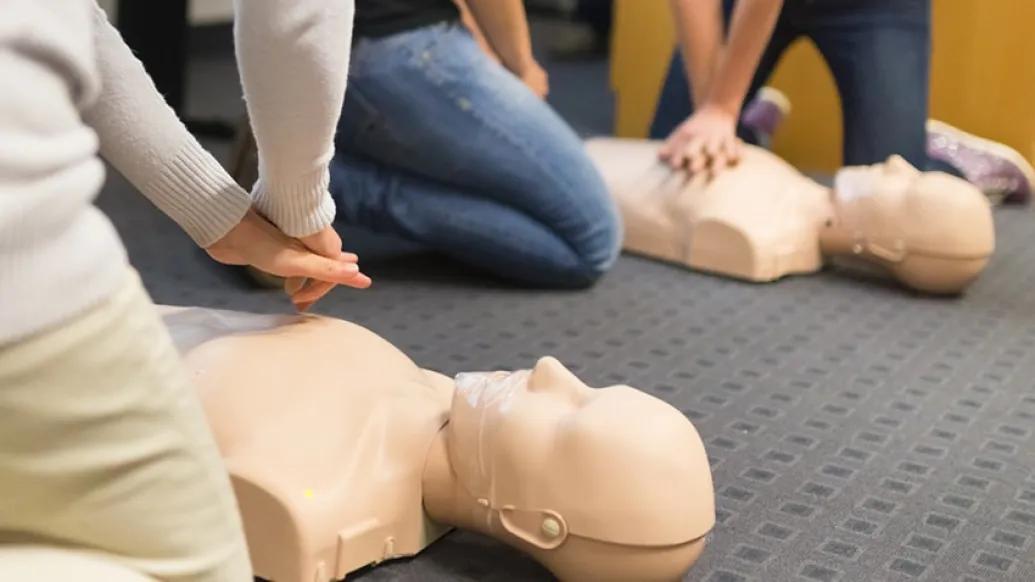
Cardiac arrest is the most serious condition emergency physicians are called upon to treat. In fact, more than 10,000 people in Michigan alone are expected to suffer cardiac arrest this year.
MORE FROM MICHIGAN: Sign up for our weekly newsletter
Over the past several decades, medical science has advanced and given emergency medical services (EMS) providers and hospital health care workers new options for treating patients suffering cardiac arrest. But a chain is only as strong as its weakest link.
The first critical link in the chain of survival for a person suffering cardiac arrest is the bystander who recognizes what is happening, activates the EMS system by calling 911 and begins CPR.
When 3 out of 4 cardiac arrests occur at home, having everyone know this vital lifesaving skill is critical. Which is why I applaud the Michigan Legislature for its recent action. During the December lame-duck session, the Legislature passed Senate Bill 647, which will strengthen the first link in the chain of survival and begin to save even more lives here in Michigan.
Introduced by Sen. Tonya Schuitmaker, it follows 34 other states that have similar laws.
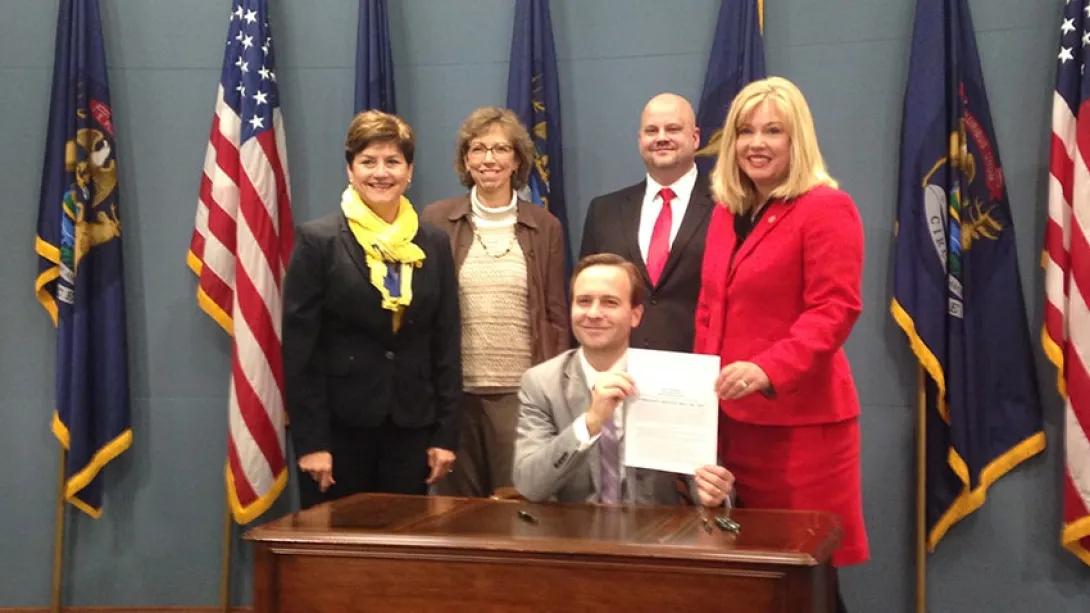
Prior to graduating from high school, Michigan students will now receive evidence-based, lifesaving training in hands-only CPR and automated external defibrillators (AEDs).
As a result of this law, 100,000 new rescuers can be added to Michigan's population every year.
SEE ALSO: How to Avoid a Heart Attack While Shoveling Snow
Based on other states that have made this a requirement, we can expect Michigan's cardiac arrest survival rate to improve. In fact, it is likely to double, meaning we can expect 400 additional lives would be saved in our state every year. At 8 percent, Michigan lags behind the national average of 10 percent cardiac survival rates. One city, Seattle, has prioritized the treatment of cardiac arrest and reported survival rates of over 50 percent.
Efforts at U-M and around the state to improve cardiac arrest treatment by EMS and in the hospital can work synergistically with efforts like this to improve cardiac arrest survival for all Michiganders. The task ahead here in Michigan involves working with our schools to ensure that this requirement is met and that every Michigan student receives proper training. Michigan will continue to work on strengthening every link in the chain, from the street to the hospital.
CPR saves lives. Additional lives will be saved as more people learn this vital skill thanks to this critical piece of legislation.

Health Lab
Explore thousands of health news & research stories by visiting the Health Lab homepage for more.
Media Contact

Public Relations
Department of Communication at Michigan Medicine
Stay Informed
Want top health & research news weekly? Sign up for Health Lab’s newsletters today!
Featured News & Stories
Small comforts make a world of difference

4 ways to teach your teen safe driving habits
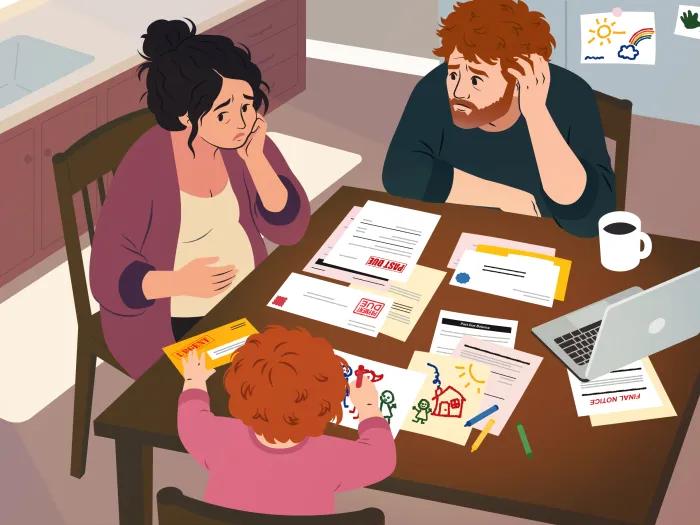
4 in 5 parents say having a baby is too expensive

Digital alerts support timely treatment decisions of critically ill cardiac patients
What’s changing in Medicaid and what can you do?