How to Avoid a Heart Attack While Shoveling Snow
Before you head outside to clear a path, make sure you’re clear on the risks of shoveling — and the means of doing it safely.
1:00 PM
Author |
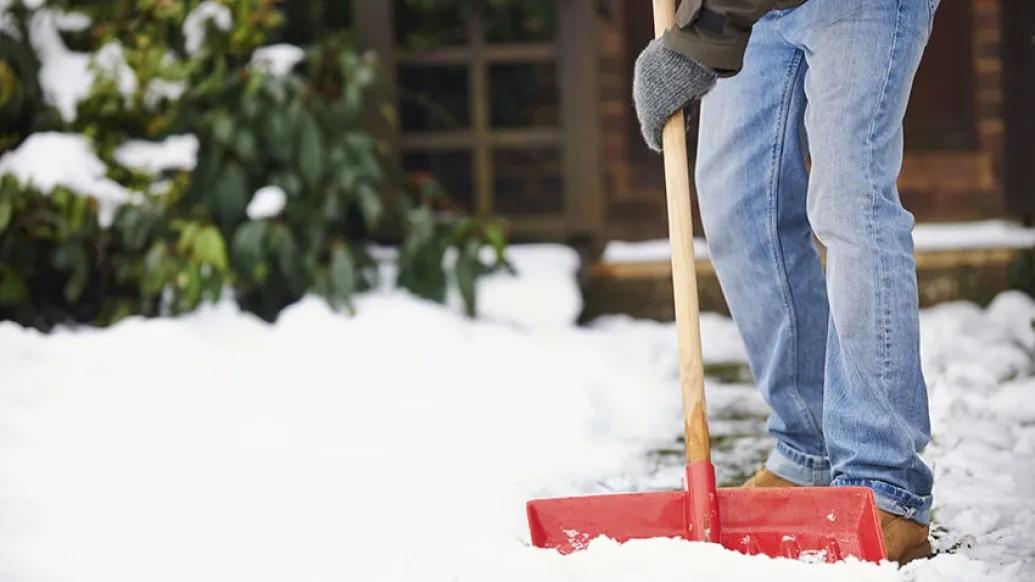
When the snow starts piling up, many people who grab their shovels and head for their driveways and sidewalks are putting themselves at risk for an adverse cardiac event.
The dangers include heart attacks, when a blockage cuts off the heart's blood supply and leads to tissue damage, and cardiac arrest, when the heart beats irregularly and then stops.
Men are more at risk than women, but certain people with health problems have higher risk than others for a cardiac event while clearing walkways in wintry weather.
These include anyone who:
- Is in poor physical condition
- Has a history of heart disease, including heart attacks, heart failure and stroke
- Has hypertension or diabetes
The greatest population at risk: those who are recovering from a heart attack or being treated for heart failure. These groups should avoid snow shoveling entirely.
Still, because most people develop artery-narrowing plaque as they get older, the risk might go unacknowledged. When under high physical stress, the plaque can rupture and cause a heart attack — even if it was not significantly blocking the artery.
Fortunately, there are ways to guard your heart and reduce your likelihood of injury by taking the proper precautions before shoveling show.
Safety Tips
Anticipate the elements
- Dress warmly and in layers, especially if it's below 25 degrees.
- Avoid overdressing. This can lead to overheating — another way to stress the heart during exertion.
- Shield your face and mouth with a scarf or mask. This kind of protection is essential because cold air striking the face triggers a reflex action: The cold causes a reflex constriction of the coronary arteries and an increase in blood pressure.
Don't overdo it
- Do a simple warmup, such as walking briskly, or shovel only small scoops of snow at first.
- If the snow is light, consider putting away the shovel and using a broom.
- If the snow is heavy, lighten the work — and the burden on your heart — by shoveling only small scoops so you are lifting less weight per scoop.
- Take frequent breaks to lower your heart rate.
Listen to your body
- Readjust your clothing if you feel too hot or cold.
- If you're feeling flushed and overexerted, stop shoveling, cool down briefly by marching in place and then go inside.
If you experience any of the following, discontinue shoveling immediately: shortness of breath, feeling weak or lightheaded, heart palpitations, or chest or arm discomfort. It is sometimes difficult to distinguish arm and chest pain from muscle strain and heart pain, so stop with the onset of any type of pain.

Health Lab
Explore thousands of health news & research stories by visiting the Health Lab homepage for more.
Media Contact

Public Relations
Department of Communication at Michigan Medicine
Stay Informed
Want top health & research news weekly? Sign up for Health Lab’s newsletters today!
Featured News & Stories

E-Bikes are everywhere, but most parents say they don’t know enough about them

C.S. Mott Children’s Hospital first in country to implant expandable heart valve during FDA review phase
School night bedtime tips every parent should know
E-bikes are faster than ever. Are families prepared for the risks?
More than half of U.S. adults now qualify for statins under new guidelines