10 Expert COVID-19 tips to follow in 2021
Key advice you should still use, and continue to share, in the new year
1:15 PM
Author |
Editor's note: Information on the COVID-19 crisis is constantly changing. For the latest numbers and updates, keep checking the CDC's website. For the most up-to-date information from Michigan Medicine, visit the hospital's Coronavirus (COVID-19) webpage.
While the world waves ta-ta to 2020 and looks forward to 2021, a lot of advice and information from doctors and researchers you've learned over the last 12 months will remain vital as society continues to brave the ongoing pandemic.
Although remarkable strides in the fight against the COVID-19 outbreak have been made, specialists are still urging that everyone remain just as cautious and vigilant in 2021, whether you've been vaccinated or not.
Here, Michigan Health rounds up 10 articles from the last year to help individuals and families navigate the upcoming months ahead:
1. 4 Mask Myths That Put You at Risk
There's no arguing science: one of the easiest and most effective ways to limit the spread of COVID-19 is by wearing a mask. But, still wary, or know someone who's still doubtful? An infection prevention specialist debunks popular myths, weighing in with the scientific truth behind each one you've heard.
2. How to Keep COVID-19 From Invading Your "Pod" – and How to Stay Safe if It Does
"Pods" became a popular term over the last year, referring to small groups of people who agree to socialize together during the pandemic. Keep following these important tips to keep your circle safe and know what to do if someone in the group does get infected.
3. 4 Ways to Be a Savvy News Consumer in a Pandemic
A constant stream of coronavirus news will continue into 2021. You'll need to be sure the information you're getting is accurate and up-to-date, and these four tips will show you how. You can also check out this free Coronavirus Powersearching class created by Michigan Medicine's Lawrence An, M.D., the co-director of the Rogel Cancer Center's Center for Health Communications Research, and a Google research scientist, designed to show users how to collect correct information from a variety of different medical websites and much more.
4. Cold, Flu or COVID-19? Here's How to Tell the Difference
While a sore throat used to seem like no big deal, this winter and flu season has everyone second-guessing. Worried you might have COVID? Check out this interview with Michigan Medicine's Laraine Washer, M.D., to check yourself, and always call your doctor if you have more questions.
5. 14 Things to Do If Someone You Live with Has COVID-19
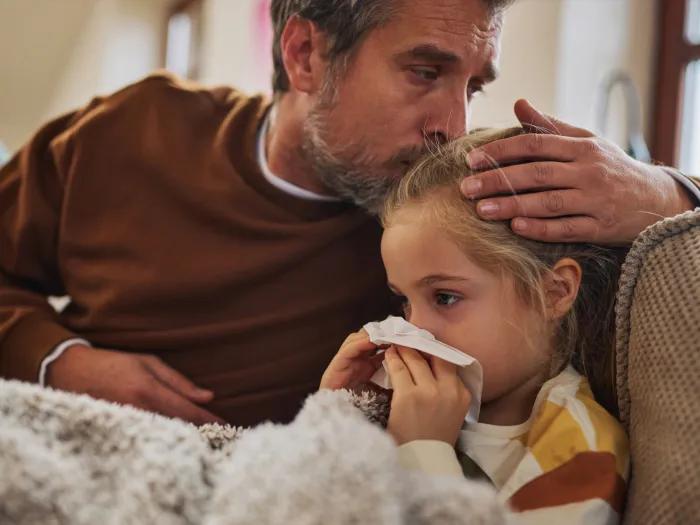
Unfortunately, with continuing community spread, someone close to you may end up getting sick. Follow these ground rules to help a family member or roommate cope, while protecting yourself and others (you can reference this "how to care with someone with COVID" video, too.)
6. 12 Things to Know About COVID-19 and Pregnancy
COVID and pregnancy are a stressful combination for any family. Roger Smith, M.D., who assists in overseeing labor and delivery policies during the pandemic at Michigan Medicine, walks through your most pressing concerns about the virus and being pregnant.
7. 8 Ways to Help Teens Cope with Social Distancing Blues
Missing prom season and graduation can be devastating to teenagers who feel they'll never get to experience those significant life events. Terrill Bravender, M.D., M.P.H., the chief of adolescent medicine at Michigan Medicine C.S. Mott Children's Hospital, offers advice to help older kids cope with the impact of social distancing.
8. Is Stress from COVID-19 Upsetting Your Stomach? 7 Self Comfort Tips to Try
Yes, that stomachache, indigestion or heartburn you're feeling is real, and could be triggered by emotional stress brought on by the COVID-19 outbreak, experts explain. Try tackling these bodily side effects by following this gastroenterologist and clinical health psychologist's recommendations.
9. 5 Ways to Manage Your Mental Health During COVID-19
The pandemic may feel endless, but there is a hopeful end in sight with vaccine availability now. In the meantime, follow this wellness expert's guidance on how to protect your emotional well-being during the pandemic.
10. Feeling Helpless as the Pandemic Continues? 26 Things You Can Do to Help
Feel like there's nothing you can control in your life these days? You're not alone. Here's what you can do now, and over the next few months, to help yourself and your community.

Health Lab
Explore thousands of health news & research stories by visiting the Health Lab homepage for more.
Media Contact

Public Relations
Department of Communication at Michigan Medicine
In This Story

Terrill Bravender MD, MPH
Clinical Professor

Roger Douglas Smith, MD
Clinical Associate Professor

Lawrence Chin-I An, MD
Associate Professor
Stay Informed
Want top health & research news weekly? Sign up for Health Lab’s newsletters today!
Featured News & Stories

What’s the latest on 7-OH and kratom availability and addiction care?

Depression in OBGYN residents needs more attention, study suggests

Better prenatal care data could help prevent maternal complications, experts say
Pain, psychological factors and physical function closely linked in people with systemic sclerosis

Many hospitals still don’t do enough to prevent UTIs from catheters