The Surprising Effect of Social Connections on Eye Health
A new study links familial relationships to the likelihood older adults will get needed cataract surgery — a procedure with broad implications for health.
12:00 PM
Author |
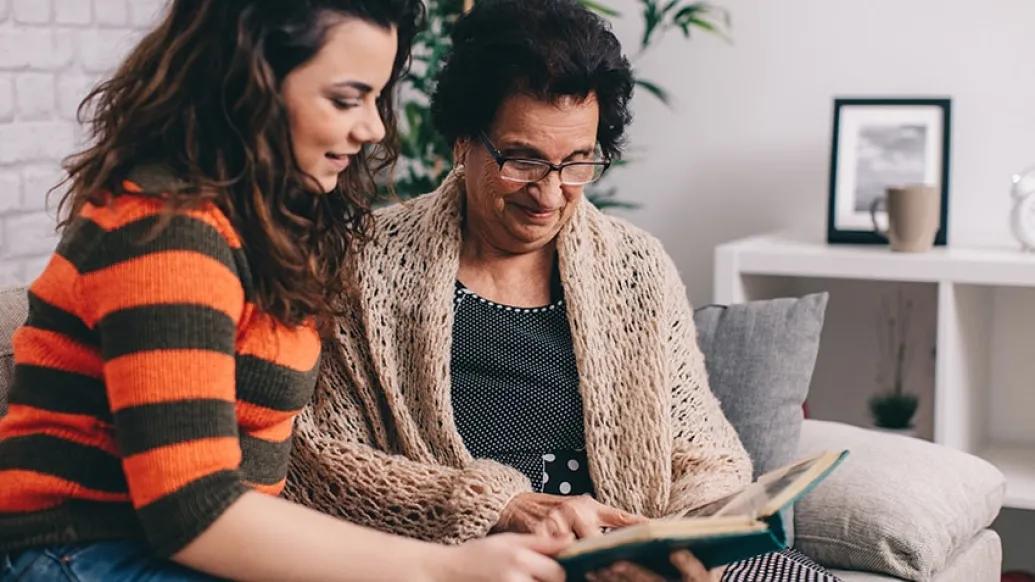
Close family relationships and a strong social network may help older adults see the world better — literally.
MORE FROM THE LAB: Subscribe to our weekly newsletter
Writing in JAMA Ophthalmology, eye doctors at the University of Michigan Kellogg Eye Center link such networks with the likelihood of older adults getting cataract surgery. Not only can family motivate older adults to take care of their fading vision, but family members can also help them get the care they need.
"It may get to a point that it takes people around them to speak up about their changing vision," says study author Brian Stagg, M.D., a health services researcher at the U-M Institute for Healthcare Policy and Innovation who studies access to eye care.
Stagg, an ophthalmologist, hears patients' motivations for cataract surgery. It's a decision that differs depending on cataracts' effect on daily living. A cloudy lens, which happens to everyone with age, can lead to blurry vision or make it difficult to read and write or to drive at night.
Adults with cataracts may end up changing light bulbs at home because the environment appears dim. "Family may say, 'Well, you didn't used to have problems seeing that,'" Stagg says.
In observations of 9,760 adults ages 65 and older with Medicare benefits, those with zero, one or two family members had 40 percent lower odds of receiving cataract surgery than adults with three or more family members. The results came from the National Health and Aging Trends Study.
Although the analysis, which included Kellogg's Joshua Ehrlich, M.D., and Maria Woodward, M.D., did not directly assess the quality of social support, it is possible that who provides the support is most important.
In the study, friends, spouses and partners did not influence the decision to have cataract surgery. It was adult children who made older adults aware of vision issues.
Researchers suggest this is because an aging spouse who is around all the time may make the same adaptations at home or have health issues of his or her own.
But an adult child who visits intermittently might notice vision changes in an older parent that others don't. Older adults may be more willing to accept help from an adult child, such as a ride home from the doctor's office or care at home afterward.
"It doesn't mean spouses and friends don't help, but on average they don't make the same kind of difference as an adult child," says Stagg.
Plus, older adults may be too embarrassed to ask for help from friends, which opens the door for primary care doctors and eye doctors to ask if transportation and support are issues. A social worker could help navigate care, too.
The larger impact of social support
Cataract is one of the most common treatable causes of vision impairment among older adults in the United States. Improving vision with cataract surgery has broad implications from reducing falls to affecting cognitive decline.
SEE ALSO: Pop-Up Clinic in a Shipping Container Targets Underserved Communities
The study by Kellogg Eye Center is consistent with a trend in health research that examines the impact of social isolation on health.
"A nuanced understanding of the impact of social support networks is important to develop as we implement strategies to improve access to cataract surgery for a rapidly growing older population," says Stagg.

Health Lab
Explore thousands of health news & research stories by visiting the Health Lab homepage for more.
Media Contact

Public Relations
Department of Communication at Michigan Medicine
In This Story

Josh Ehrlich
Associate Professor
Maria Anneke Woodward, MD, MS
Professor
Stay Informed
Want top health & research news weekly? Sign up for Health Lab’s newsletters today!
Featured News & Stories
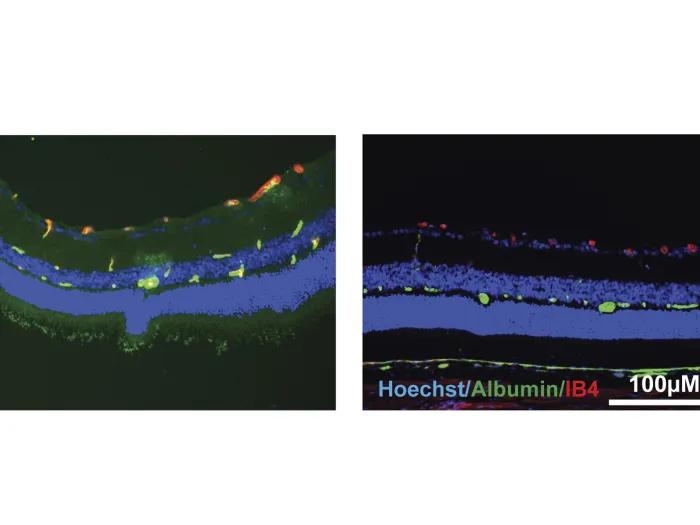
Treatment with norrin helped maintain healthy blood vessels, preserved vision in diabetic rats
Innovative children’s vision research gets a boost from the Knights Templar Eye Foundation

Many hospitals still don’t do enough to prevent UTIs from catheters
Nerf gun accident causes retinal detachment in pediatric patient
Kellogg care inspires gift to vision research