Study: Patients Use Only About Half of Opioids Prescribed After Hysterectomy
A U-M gynecologist emphasizes a personalized approach to post-surgical prescriptions to help prevent chronic opioid use.
7:00 AM
Author |
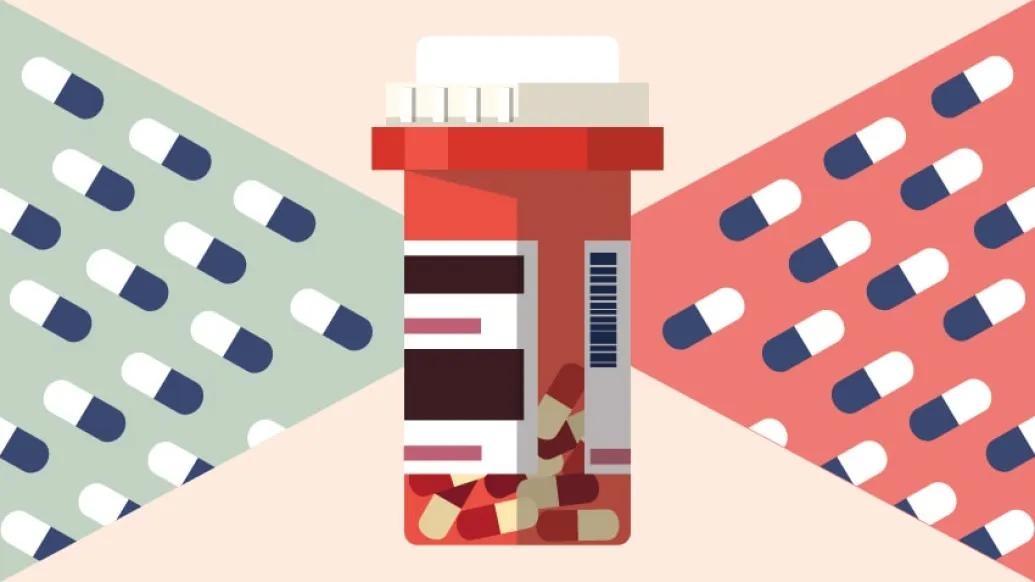
Doctors may be prescribing nearly twice the number of opioids than the average patient needs after a hysterectomy, a new study suggests.
MORE FROM THE LAB: Subscribe to our weekly newsletter
Researchers at the University of Michigan tracked opioid use in roughly 100 women two weeks after undergoing a hysterectomy for benign reasons. Women were commonly prescribed about 40 hydrocodone pills but on average had nearly 22 left over, according to the findings published in the December issue of The Green Journal, the official publication of the American College of Obstetricians and Gynecologists.
"A hysterectomy is the most common surgical procedure performed in nonpregnant women, which is why this is a critical target for improvement in opioid prescribing," says lead author Sawsan As-Sanie, M.D., MPH, a gynecological surgeon at U-M's Von Voigtlander Women's Hospital and an assistant professor of obstetrics and gynecology at the U-M Medical School.
"Our findings confirm that within our specialty, there is a similar pattern of opioid prescribing as we are seeing in other surgical populations. We found that a small but meaningful portion of patients did not need any opioids after hysterectomy, and most were given far more opioids than they said they used."
The study included 102 participants, each receiving either a laparoscopic (44, or 43.1 percent), vaginal (42, or 41.2 percent) or abdominal (16, or 15.7 percent) hysterectomy. Patients reported opioid consumption two weeks after hysterectomy through telephone surveys and written documentation.
Overall, 97 percent of women reported adequate pain control, and 40 percent felt they received more opioids than needed after surgery. Several individual patient characteristics, such as chronic pain elsewhere in the body prior to surgery, were associated with higher-than-average opioid use after hysterectomy.
Among gynecologic procedures, hysterectomy is the most frequently performed surgery after cesarean section. Roughly 600,000 hysterectomies are performed each year in the U.S., with nearly 20 million American women having one. Studies report that by age 60, more than one-third of women have had a hysterectomy.
We found that a small but meaningful portion of patients did not need any opioids after hysterectomy, and most were given far more opioids than they said they used.Sawsan As-Sanie, M.D., MPH
Tailoring to patients
As-Sanie notes that it's important for doctors to take a personalized approach when prescribing opioids after hysterectomy.
SEE ALSO: To Reduce Hysterectomy-Related Readmissions, Target Those at Risk
"There is a lot of variability among post-surgical patients," As-Sanie says. "As we move more toward precision medicine and tailoring recommendations to individual patients, we hope to better identify specific patient factors that may be associated with how much pain medication should be prescribed."
"These studies will help us better understand what each patient needs for adequate pain management after these procedures."
The study contributes to the efforts of the Michigan Opioid Prescribing Engagement Network (Michigan-OPEN), which aims to halve both the number of opioids prescribed to Michigan surgical patients and the number of patients who still use opioids months after surgery. The Michigan-OPEN team will lead the University of Michigan's new Precision Health Research Initiative to identify risk factors that may increase the likelihood of someone becoming a chronic opioid user after surgery.
As-Sanie collaborated on the recent study with senior author Chad Brummett, M.D., one of Michigan-OPEN's leaders and director of the Division of Pain Research in the U-M Department of Anesthesiology.
"By educating both patients and surgeons involved with gynecologic procedures, we can significantly reduce the amount of excess opioids in the community without harming patients," As-Sanie says.

Health Lab
Explore thousands of health news & research stories by visiting the Health Lab homepage for more.
Media Contact

Public Relations
Department of Communication at Michigan Medicine
Stay Informed
Want top health & research news weekly? Sign up for Health Lab’s newsletters today!
Featured News & Stories
Simple Conversations Can Reduce Opioid Prescriptions After Hysterectomy

Studying Period Pain
Who’s at risk for painful periods?
Navigating Perimenopause and Menopause
Managing pain one (super-thin) needle at a time