Study: Access to Long-Lasting Contraception After Childbirth Lags Behind Demand
The number of women receiving immediate postpartum IUDs or implants has increased dramatically in recent years. But research shows access to such services is unequal.
6:00 PM
Author |
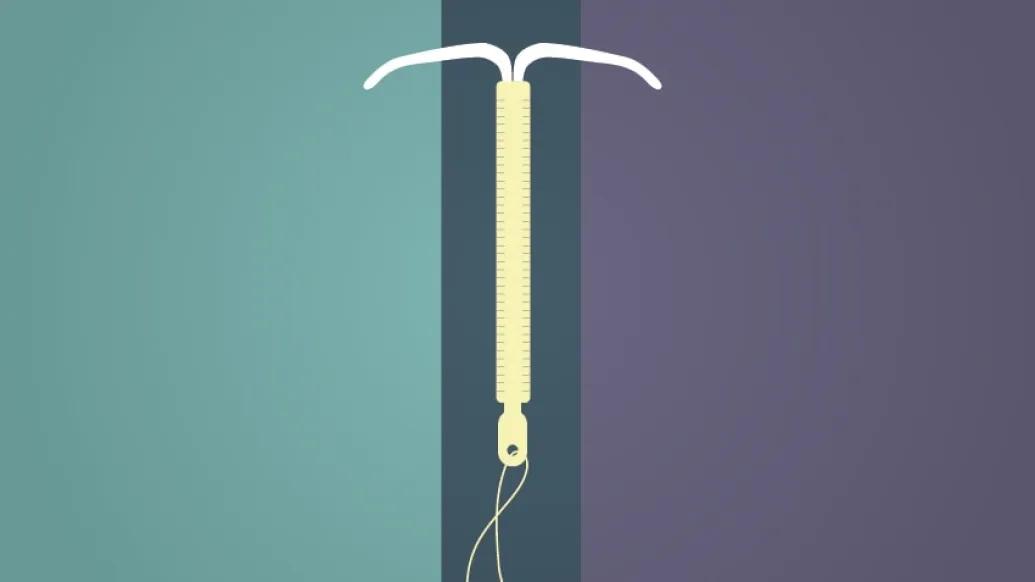
Before leaving the hospital after childbirth, more women are opting to check one thing off their list: birth control.
MORE FROM THE LAB: Sign up for our weekly newsletter
But access to long-lasting, reversible contraception like an intrauterine device immediately after giving birth may still lag far behind the demand, a new University of Michigan study suggests.
The rate of IUDs or implants after childbirth increased sevenfold over five years — from 1.86 per 10,000 deliveries in 2008 to 13.5 per 10,000 deliveries in 2013 — according to the findings in Obstetrics & Gynecology.
Some 96 percent of inpatient postpartum IUDs, however, are placed at urban teaching hospitals, suggesting that the service is not available to women delivering at urban nonteaching and rural hospitals.
Overall, the rate of patients receiving reversible contraception while hospitalized for a delivery remained less than 2 percent of the rate of sterilization (a permanent procedure to prevent pregnancy).
"Getting an IUD right after childbirth may be more convenient and less painful than insertion at a later office visit. But we found that access to this service varies greatly depending on where a woman delivers her baby," says lead author Michelle Moniz, M.D., M.Sc., an assistant professor of obstetrics and gynecology and a researcher at the University of Michigan Medical School.
"Maternity clinicians and policymakers should strive to ensure that women have access to the full range of contraceptive options after childbirth and that they are able to make an informed, voluntary, personal choice about whether and when to have another child."
Unintended pregnancy too close to the birth of another child can be dangerous for both moms and babies, with higher likelihood of adverse outcomes such as miscarriage, preterm labor and stillbirth.
Enhancing access to in-hospital reversible contraception and insurance coverage for the service will help prevent such unintended pregnancies, Moniz, also a member of the U-M Institute for Healthcare Policy and Innovation, says. Women using highly effective contraception — including IUDs, implants and tubal sterilization — are four times more likely to achieve adequate birth spacing than women using a barrier or no method. However, few U.S. women use these methods by three months postpartum, partly because of poor access.
IUDs inserted immediately after birth have a slightly higher chance of falling out than IUDs inserted four to eight weeks later — but the risk of dangerous complications such as infection or injury is exceedingly low with both immediate and delayed placement. Immediate placement is also cost-effective, Moniz says. Contraceptive implants do not have a risk of falling out, so they are a particularly attractive option for insertion during the delivery hospitalization.
We need to remove the barriers that prevent women from getting their preferred method of contraception in a way that's most convenient for them.Michelle Moniz, M.D., M.Sc.
Differences in access
U-M researchers found that IUD and implant insertions during a maternal hospitalization were more likely among sicker, poorer women delivering at urban teaching hospitals. Eighty-five percent of inpatient postpartum IUDs are provided to women with public or other insurance, including Medicaid, Medicare and self-pay.
SEE ALSO: The Benefits and Barriers of Birth Control Following Childbirth
Previous studies suggest that many women who say they want an IUD or implant don't make it to a follow-up office appointment to get their preferred method of birth control after having a baby, often because of child care, transportation and other barriers.
"We know that many women's first choice for birth control is an IUD or implant, which are also the safest and most effective forms of reversible contraception," Moniz says. "We need to remove the barriers that prevent women from getting their preferred method of contraception in a way that's most convenient for them.
"Expanding access to reversible contraception after childbirth will have a far-reaching impact."

Health Lab
Explore thousands of health news & research stories by visiting the Health Lab homepage for more.
Media Contact

Public Relations
Department of Communication at Michigan Medicine
Stay Informed
Want top health & research news weekly? Sign up for Health Lab’s newsletters today!
Featured News & Stories

Rural Women at Higher Risk of Life-Threatening Pregnancy Complications

Mothers of Fussy Babies at Higher Risk of Depressive Symptoms

Depression in OBGYN residents needs more attention, study suggests
Better prenatal care data could help prevent maternal complications, experts say

A tragedy and a trial shine a spotlight on new moms’ mental health