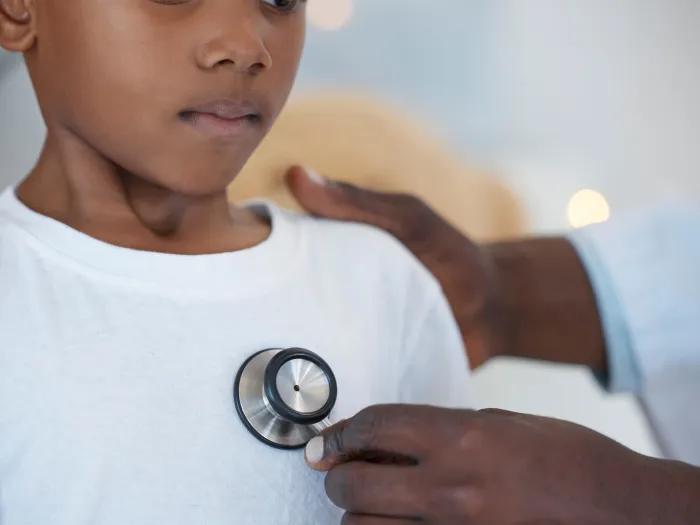
Sleep problems pervasive and persistent among children with epilepsy
New study finds that reported sleep concerns are highly prevalent in children with epilepsy and continue as they get older.
10:24 AM
Author |
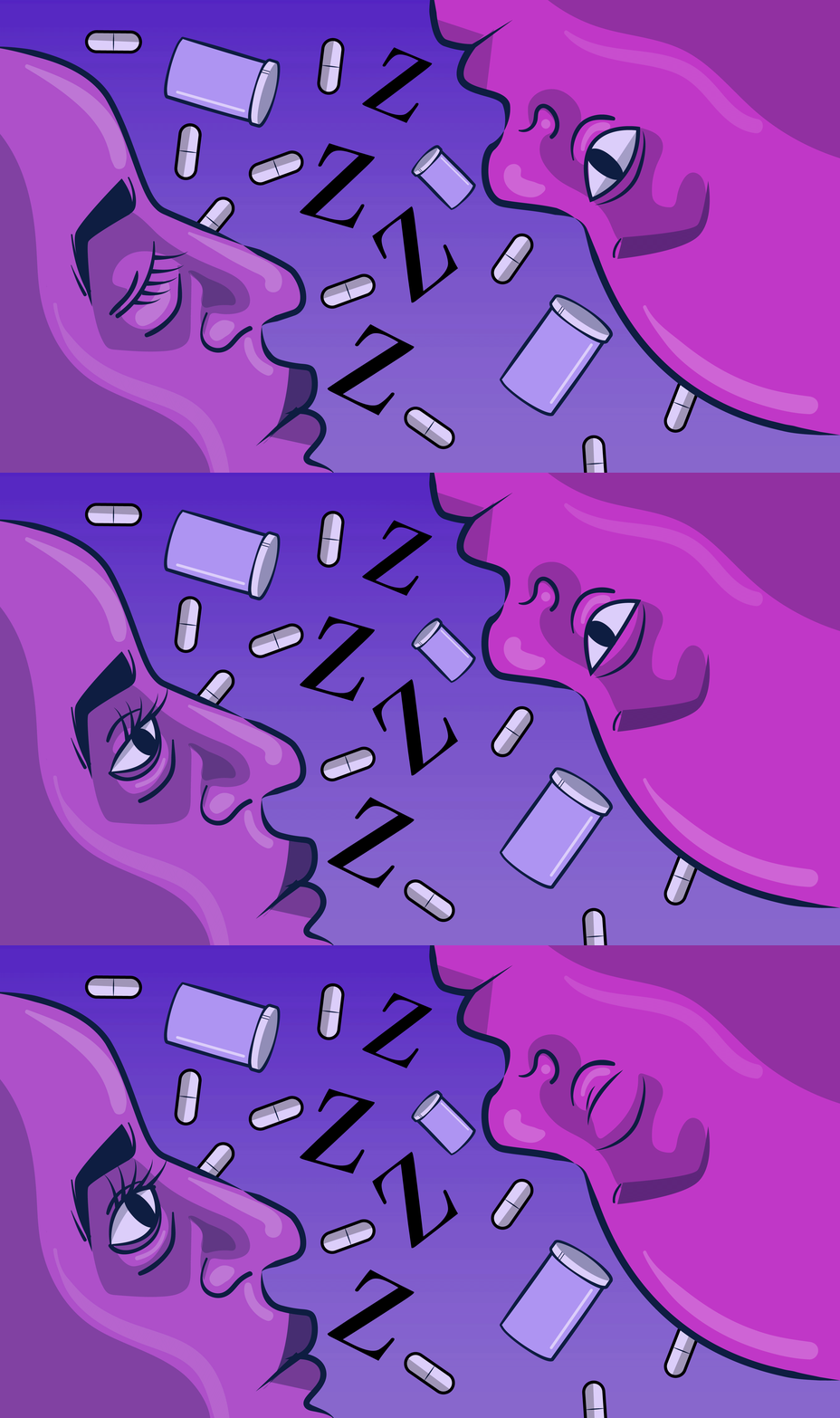
For children with epilepsy, seizures and related health concerns can disrupt every part of childhood, including sleep.
Now, a new study finds that not only are reported sleep concerns highly prevalent in children with epilepsy – for both those with and without nighttime seizures – but these issues persist and may potentially even get worse with age.
"We know sleep disorders are common, and sometimes severe, for children with early-life epilepsies but there's a huge gap in data on how often this is a problem and who may be at highest risk," said lead author Gita Gupta, M.D., M.S., a pediatric pulmonology fellow at University of Michigan Health C.S. Mott Children's Hospital, Michigan Medicine.
"Our findings suggest that sleep disturbances and their complications are highly pervasive in children with epilepsy, and these sleep problems continue as they get older."
Researchers analyzed responses from parents of 356 children with epilepsy between newborn age and 13 years old, with an average age of four and a half, through the national Rare Epilepsy Network survey.
More than half of respondents reported sleep concerns, with 45% worried about frequent nighttime awakenings and more than a third saying their child had difficulty falling asleep or had very restless sleep. Three fourths of children's sleep was disrupted by nighttime seizures, according to the findings in Pediatric Neurology.
Of the children without nocturnal seizures, 43% (38 of 88) had sleep concerns, and these were most commonly reported for those with Dravet syndrome, a rare, drug-resistant epilepsy that begins in the first year of life and can cause varying degrees of developmental disability.
MORE FROM THE LAB: Subscribe to our weekly newsletter
Like Podcasts? Add the Michigan Medicine News Break on iTunes, Google Podcasts or anywhere you listen to podcasts.
Girls also appeared to be less likely to face sleep issues than males, which could be connected to various genetic factors, authors say, but it needs to be studied further.
Without treatment, these kids may go on to face worsening sleep issues that could disrupt all areas of their health.Renée Shellhaas, M.D., M.S.
Nighttime awakenings, difficulty falling asleep, and restless sleep also happen to be the most prevalent sleep concerns reported by parents of typically developing children aged 0 to 36 months, the study finds. But for healthy children, sleep issues often begin to wane after they turn six months old, Gupta says.
"Sleep concerns are expected during the newborn and early stages of childhood when parents are often up with their babies and toddlers at night," Gupta said. "But while healthy children usually grow out of these phases, children with epilepsy continue to struggle with sleep."
Children with epilepsy also have a higher prevalence of excessive daytime sleepiness, and sleep apnea symptoms than typically developing children, the study suggests.
Improving epilepsy treatment by addressing sleep issues
Experts say there appears to be a strong yet understudied link between sleep and epilepsy, which generally comes with a higher risk for sleeping disorders like obstructive sleep apnea, circadian rhythm disorders, irregular sleeps wake patterns and insomnia.
For some children with epilepsy, sleep deprivation also provokes seizures and certain sleep disorders can worsen the frequency and severity of seizures.
Authors note that further research should explore whether sleep disorders and epilepsy may share common neurophysiological pathways, which may potentially open new doors for target interventions and ways to enhance epilepsy management.
"The better we understand the relationship between sleep problems and epilepsy the better we can treat children with these conditions and improve their overall quality of life," said senior author Renée Shellhaas, M.D., M.S., Mott pediatric neurologist.
"Our study reinforces what we consistently hear from parents about sleep challenges and highlights the unmet clinical need for sleep interventions among children with epilepsy. Without treatment, these kids may go on to face worsening sleep issues that could disrupt all areas of their health."
While sleep plays a crucial role in child development with both short- and long-term consequences, Gupta says, sleep issues aren't always addressed during epilepsy treatment.
"Sleep impacts every sphere of our lives from early childhood development and neurodevelopment to attention, mood and cardiovascular health," Gupta said. "As children get older, sleep deprivation may not only negatively affect physical health and development but may also interfere with schoolwork, socialization and safety."
When a child's sleep suffers, she notes, it can impact caregivers' sleep as well. Parents may co-sleep with children, sleep in the same room or constantly monitor them at night, habits that could develop into unhealthy sleep practices that worsen sleep outcomes for everyone.
"Poor sleep not only has health and quality-of-life consequences for the child but likely affects the whole family," she said. "Our greatest goal is to optimize epilepsy management and outcomes in kids with relatively low-risk, noninvasive interventions that benefit both them and their families."
Additional authors include Louis Dang, M.D., Ph.D. and Louise O'Brien, Ph.D., of U-M.
Study Cited: "Parent-Reported Sleep Profile of Children With Early-Life Epilepsies," Pediatric Neurology. DOI:10.1016/j.pediatrneurol.2021.12.006

Health Lab
Explore thousands of health news & research stories by visiting the Health Lab homepage for more.
Media Contact

Public Relations
Department of Communication at Michigan Medicine
Stay Informed
Want top health & research news weekly? Sign up for Health Lab’s newsletters today!
Featured News & Stories
From patient to artist: A project close to her heart
A gift for Michigan’s most vulnerable babies
After 13 years of IV nutrition, teen finds freedom to just be a kid
From 20 seizures a day to more time for play: How personalized epilepsy care helped young patient
More babies with hypoplastic left heart syndrome surviving critical period between surgeries