Simple Conversations Can Reduce Opioid Prescriptions After Hysterectomy
Involving patients in pain management decisions significantly decreased opioid prescriptions without compromising pain control.
5:00 AM
Author |
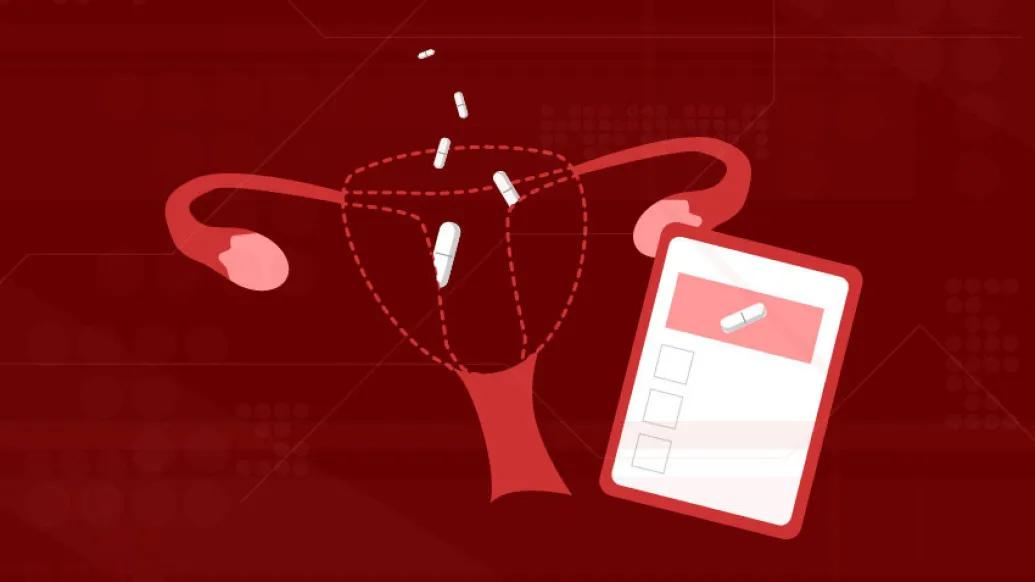
Women who undergo a hysterectomy are often prescribed at least twice as many opioids as they use – but there may be a simple way to change that.
The tool: Asking the patient to help decide how many opioids she needs.
Involving patients in decisions about hysterectomy pain management after counseling them on opioid risks significantly reduced opioid prescriptions – without an increase in patients later asking for refills – suggests new Michigan Medicine research published in The Green Journal.
The majority of 159 patients who underwent hysterectomy for benign, non-obstetric symptoms in 2018 decided against the maximum opioid fill after doctors counseled them about post-operative pain management. Despite fewer opioids dispensed, nearly 98% of patients reported their pain control as adequate or good and 63% said their pain level was better or much better than they expected.
"We designed a shared decision-making tool to help educate patients about post-surgery pain management and what strategies we recommend," says senior author, Sawsan As-Sanie, M.D., MPH, a gynecological surgeon at the University of Michigan Von Voigtlander Women's Hospital.
"This involves a conversation explaining that opioids are considered the last resort when other less risky treatments are not adequate, but also providing reassurance that we could always change the prescription if needed. Involving patients in these decisions led to a significant decrease in opioid prescribing without compromising patients' pain control."
Doctors showed patients a visual aid regarding pain management after surgery. They then explained the typical number of opioid tablets needed to manage pain, opioid risks and side effects and the maximum number that may be prescribed.
Patients were then asked to choose their desired amount of painkillers to receive on discharge.
Involving patients in these decisions led to a significant decrease in opioid prescribing without compromising patients' pain control.Sawsan As-Sanie, M.D., MPH
The new process led to an average of seven fewer opioid tablets per patient.
"This simple conversation between doctor and patient helped reduce opioid prescriptions while allowing us to continue prioritizing the patient's comfort and satisfaction with pain control," says lead author Annmarie Vilkins, D.O., a recent graduate of the U-M Minimally Invasive Gynecologic Surgery Fellowship.
"Even with fewer opioids, the majority of patients described post-surgery pain as better or much better than they expected."
Minimizing risks of excess opioids
As-Sanie's previous research found that women with hysterectomies were typically overprescribed opioids and only using half of their prescription. Seventy-six percent of patients in the new study still had some leftover tablets, with more than half discontinuing use during recovery.
But it's unrealistic, As-Sanie says, to ever prescribe the exact number of pills a patient ends up needing – and that isn't the goal.
"Especially for people who haven't undergone surgery before, there is understandable anxiety about not having adequate pain control," says As-Sanie, who is also a member of the U-M Institute for Healthcare Policy and Innovation.
"We're trying to reduce the amount of opioids we prescribe but we don't expect to perfectly predict what every patient is going to need."
Traditionally, patients have been sent home with the maximum amount of opioids that can be prescribed after surgery, but mounting evidence showed that excess prescribing of postoperative opioids has contributed to the opioid crisis. The State of Michigan has begun requiring standardized counseling for any new opioid prescription, as recommended by the Michigan Opioid Prescribing Engagement Network (Michigan-OPEN).
Other research at Michigan Medicine also found success in reducing opioid use among women who delivered babies via cesarean section by using interventions to manage their pain while they were still at the hospital.
Shared decision-making tools have been used for other procedures, but mostly for inpatient surgeries that require hospital stays. The majority of hysterectomies are performed as outpatient surgery with patients going home the same day.
LISTEN UP: Add the new Michigan Medicine News Break to your Alexa-enabled device, or subscribe to our daily updates on iTunes, Google Play.
But the new study's findings suggest that even without an opportunity to assess a patient's pain during a hospital stay, doctors can successfully use these tools to determine an appropriate prescription.
"We have a responsibility to develop effective strategies to ensure adequate management of postoperative pain without contributing to the opioid problem. Appropriate pain management is a crucial aspect of improving patient outcomes," As-Sanie says.
"One of the most important ways we can address the opioid epidemic is by directly engaging our patients in shared decision making. Our goal is to empower them to make decisions about their recovery with our guidance and support."
Paper cited: "Effects of Shared Decision Making on Opioid Prescribing After Hysterectomy" Green Journal. DOI: 10.1097/AOG.0000000000003468

Health Lab
Explore thousands of health news & research stories by visiting the Health Lab homepage for more.
Media Contact

Public Relations
Department of Communication at Michigan Medicine
Stay Informed
Want top health & research news weekly? Sign up for Health Lab’s newsletters today!
Featured News & Stories

Many older adults make Medicare decisions quickly and most don’t change plans, poll finds

What’s the latest on 7-OH and kratom availability and addiction care?

Better prenatal care data could help prevent maternal complications, experts say
Many hospitals still don’t do enough to prevent UTIs from catheters

Digital alerts support timely treatment decisions of critically ill cardiac patients