Risky Bingeing: Women in Appalachian Ohio Report Higher Rates of Alcohol Misuse
How much alcohol women drink may depend on where they live. A new study finds one-fifth of women in Appalachian Ohio imbibe at alarming levels.
1:00 PM
Author |
Appalachia — stretching from the southern tier of New York state to northern Alabama, Mississippi and Georgia — has long experienced deep economic distress and deprivation, and the gamut of accompanying social problems.
MORE FROM THE LAB: Subscribe to our weekly newsletter
Compared with women living in urban areas, women who reside in these rural areas face multiple health concerns, including substance abuse issues, and often at greater rates. While the opioid epidemic in rural areas has gained attention, the rampant alcohol use has not.
"Alcohol continues to be the most prevalent and widely used and abused substance among Appalachian adults and is reported to be the primary reason for seeking substance use treatment in the region, surpassing drug abuse," says Golfo K. Tzilos, Ph.D.
Tzilos is an assistant professor in the University of Michigan's Departments of Family Medicine and Psychiatry and the U-M Addiction Center. She and Mack T. Ruffin IV, M.D., MPH, professor emeritus and chair of the Department of Family and Community Medicine at Penn State Hershey Medical Center, studied excessive drinking behavior in women from rural Appalachian Ohio because of a surprising lack of empirical data.
Tzilos and Ruffin analyzed data from the Community Awareness, Resources, and Education (CARE) Project, which investigated determinants of abnormal cervical cytology. More than 6,000 women older than 18 and representing 14 counties in Appalachian Ohio, 95 percent of whom were non-Hispanic whites, participated in the original study.
Approximately 2,300 of those women supplied relevant information about their alcohol use and other possible predictive alcohol abuse variables. Of these, one-fifth (19.9 percent) reported recent, heavy episodic drinking.
Heavy episodic drinking, or binge drinking, is defined as consuming four or more alcoholic beverages — beer, wine, wine coolers, mixed drinks and liquor — in one sitting for women.
Younger women (under age 26) were five times more likely to binge drink than women older than 50, researchers found. Those who identified themselves as current smokers, single and with four or more lifetime sexual partners also had an increased adjusted risk of binge drinking.
"One interpretation of the findings is that these women are a vulnerable population," says Tzilos.
"Typically, these women face a number of disadvantages in their environment, including chronic stressors such as limited resources and living in poverty, as well as acute stressors such as exposure to violence and abuse, which can all play a role in the likelihood of higher rates of alcohol use."
Their results are published in the Journal of Rural Mental Health.
Alcohol continues to be the most prevalent and widely used and abused substance among Appalachian adults and is reported to be the primary reason for seeking substance use treatment in the region, surpassing drug abuse.Golfo K. Tzilos, Ph.D.
Clinical takeaways and broader implications
Binge drinking is associated with a broad range of hazardous behaviors, including tobacco use, risky sexual activity, higher risks of unintended pregnancy and sexually transmitted infections. These behaviors can lead to harmful consequences that can negatively affect society as a whole.
SEE ALSO: Rural Communities See Steep Increase in Babies Born with Opioid Withdrawal
Tzilos says primary care physicians have an opportunity to act as a conduit between their patients and critical health resources.
"Clinicians have the opportunity to inquire about risky alcohol use among their patients," says Tzilos. "In rural settings, there are often barriers to health services that women face, including stigma, cultural concerns of confidentiality and trust, lack of anonymity, and lack of access and providers."
This gap is particularly important to address given that rural women, including those from Appalachian regions, report a higher rate of health concerns that may be associated with, or a consequence of, unaddressed or undertreated alcohol misuse.
Tzilos and Ruffin's findings also reflect what is happening at the national level. Women are increasingly participating in risky alcohol use at younger ages.
They suggest increasing sensitivity to this fact and work to address the obstacles to improving health outcomes for women from Appalachian communities. This could include leveraging technology to increase reach and access to screening, treatment and referrals.
"My future work will explore the relationship between stress and alcohol use among women in this region," says Tzilos. "It may shed light on opportunities for prevention."
Tzilos also plans to help adapt integrative strategies to identify and reduce health risk behaviors and to enhance protective factors among these women.

Health Lab
Explore thousands of health news & research stories by visiting the Health Lab homepage for more.
Media Contact

Public Relations
Department of Communication at Michigan Medicine
Stay Informed
Want top health & research news weekly? Sign up for Health Lab’s newsletters today!
Featured News & Stories
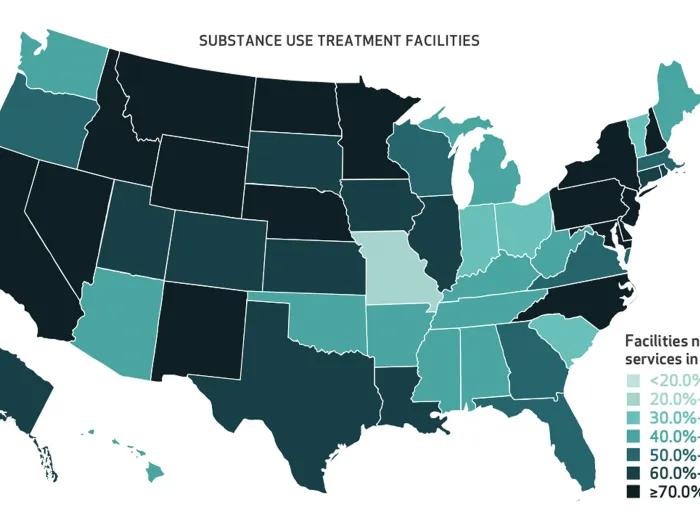
Mental health, substance abuse treatment facilities don't provide communication access to Deaf, Hard of Hearing patients
Marijuana, hallucinogen use at all-time high among young adults
Reducing Opioid Prescriptions After C-Sections

5 ways to manage politically induced stress
4 in 5 parents say having a baby is too expensive