Researchers predict COVID baby boom
Study suggests the pandemic initially slowed down conception rates but experts anticipate a baby surge this summer.
1:08 PM
Author |
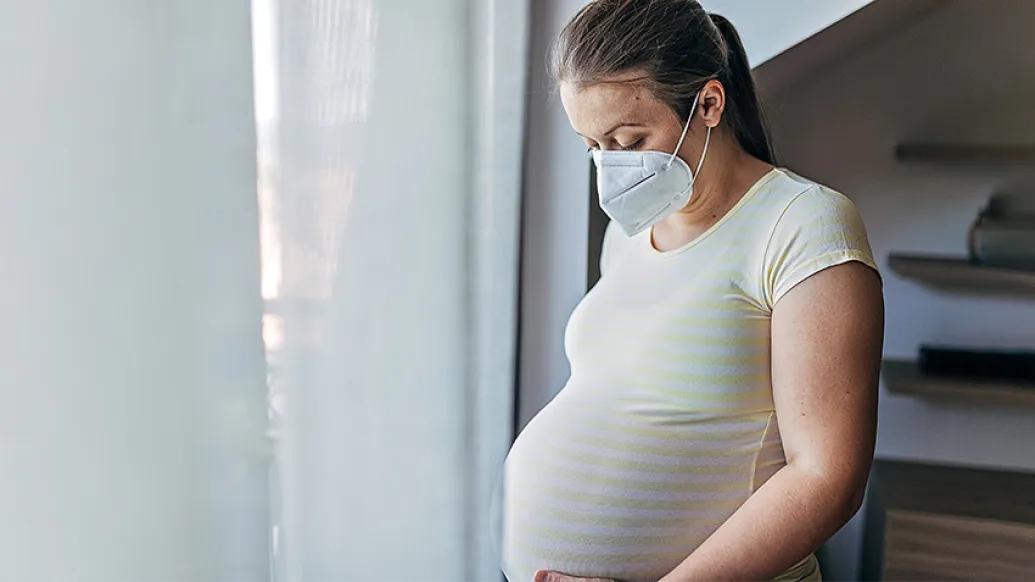
A different type of surge may be on the way more than a year into the pandemic – a baby surge.
The COVID-19 shutdown initially seemed to hit pause on pregnancy and birth rates, new research from one major hospital system suggests, but that trend is quickly reversing.
"Birth rates declined early on in the pandemic, but we expect a dramatic rebound soon," said lead author Molly Stout, M.D., MSci, maternal fetal medicine director at Michigan Medicine Von Voigtlander Women's Hospital.
"We're already seeing signs of a summer baby surge."
While infectious disease experts have been modelling COVID cases to project surge trends, Stout and her team have been doing the same for pregnancy trends.
Using electronic health records for a cohort of pregnancies at Michigan Medicine, researchers were able to model pregnancy episodes and accurately project anticipated changes in pregnancy volumes over the last year during the pandemic.
Like Podcasts? Add the Michigan Medicine News Break on iTunes, Google Podcast or anywhere you listen to podcasts.
Pregnancies at U-M gradually increased between 2017 and 2020, up from 4,100 pregnancies to 4,620 annually, according to the study in JAMA Network Open. But pregnancy volumes diverged from that pattern, decreasing by about 14% between November, 2020 and spring of 2021 – which researchers associate with a conception window starting during the United States COVID shutdown in March, 2020.
Experts point to multiple potential factors affecting the decline, including economic uncertainty, lack of child care or usual support systems, the impact on women in the workforce and postponement of reproductive and fertility care.
Based on the same modelling system, authors now anticipate a birth surge. The hospital is planning for a 10-15% increase in births over what would normally be expected in the summer and fall of 2021.
While speculations of a COVID baby boom have previously been reported in the media, they were mostly speculative and not based on data, Stout said.
Birth rates declined early on in the pandemic, but we expect a dramatic rebound soon.Molly Stout, M.D., MSci
"What we have shown here is that through modeling of pregnancies within a healthcare system we can project birth rate increases and decreases associated with major societal shifts," she said.
"Major societal changes certainly seem to influence reproductive choices, population growth and fertility rates. Usually, we see the effects by modeling birth and death rates, only as the changes are occurring. With this methodology we can accurately project anticipated birth rates ahead of the actual changes."
This has also been noted during other times in history, such as the 1918 H1N1 influenza pandemic, the Great Depression in 1929 and recession of 2008.
Stout said the ability to predict upcoming birth trends through the Michigan team's modeling system can hopefully help health systems better plan for labor and delivery needs to provide the safest care for patients and their babies.
MORE FROM THE LAB: Subscribe to our weekly newsletter
"These projection techniques can inform planning for capacity, staffing needs and other downstream effects on the hospital system," she said. "But it can also be used in partnerships between hospitals and governmental groups to better understand population dynamics and help minimize the negative effects of a pandemic or any other major event on society."
Additional authors include senior author Roger D. Smith, M.D., and co-authors Cosmas Van De Ven, M.D.; Vikas Parekh, M.D.; Jennifer Pardo, MHSA; Maxim Garifullin, M.S.; Min Xu, Ph.D.; and Dee Fenner, M.D.
Study cited: "Use of Electronic Medical Records to Estimate Changes in Pregnancy and Birth Rates During the COVID-19 Pandemic," JAMA Network Open. DOI: 10.1001/jamanetworkopen.2021.11621

Health Lab
Explore thousands of health news & research stories by visiting the Health Lab homepage for more.
Media Contact

Public Relations
Department of Communication at Michigan Medicine
Stay Informed
Want top health & research news weekly? Sign up for Health Lab’s newsletters today!
Featured News & Stories

U-M-led consortium to receive up to $52 million in NIH funding to study why viral respiratory infections affect children differently

4 in 5 parents say having a baby is too expensive

What’s the latest on 7-OH and kratom availability and addiction care?
Better prenatal care data could help prevent maternal complications, experts say
Many hospitals still don’t do enough to prevent UTIs from catheters