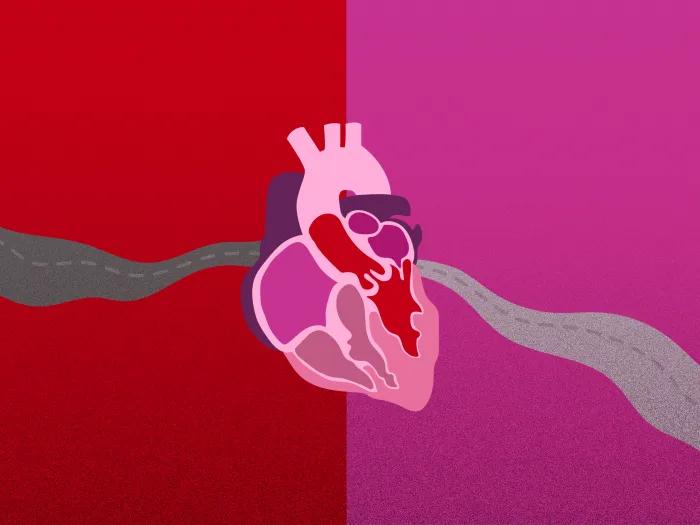
Popular HeartMate 3 Now Available for Long-Term Use
Recent approval from the FDA for HeartMate 3 opens the door to an important option for people with advanced heart failure.
12:56 PM
Author |
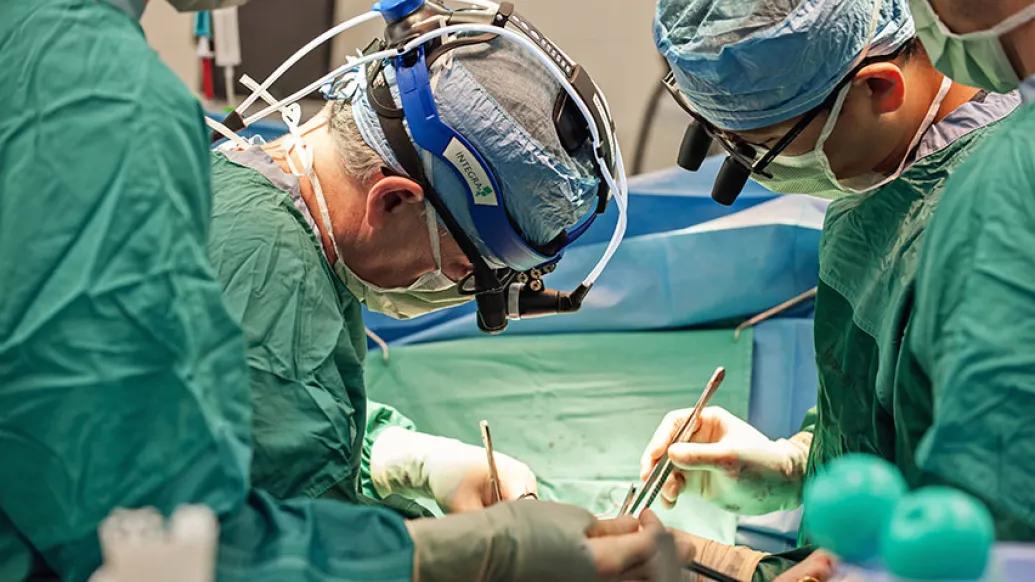
People with advanced heart failure now have a new implantable option for long-term therapy, thanks to recent FDA approval of the popular HeartMate 3 LVAD system.
LISTEN UP: Add the new Michigan Medicine News Break to your Alexa-enabled device, or subscribe to our daily audio updates on iTunes, Google Play and Stitcher.
Surgeons at Michigan Medicine's Frankel Cardiovascular Center are now implanting HeartMate 3 for destination, or long-term, therapy. Patients usually get an LVAD, or left ventricular assist device, after medications and lifestyle changes are no longer helping or to keep blood pumping while waiting for a heart transplant.
Now, even if a transplant isn't in a person's future, LVAD therapy can continue to support the left side of the heart, helping their heart pump blood from the left ventricle into the aorta to improve survival and quality of life.
"This advance will result in better outcomes for our patients," says Francis Pagani, M.D., Ph.D., a U-M cardiac surgeon who was involved in the clinical trial that led to FDA approval. "The HeartMate 3 has a significantly reduced risk of pump thrombosis, a lower risk of stroke and a good survival rate when compared to an earlier version of an LVAD device."
'Impressive' clinical trial results
The FDA approved the HeartMate 3 for destination therapy following a 2018 New England Journal of Medicine publication featuring two-year outcomes from the MOMENTUM 3 trial. Pagani and Michigan Medicine heart failure and transplant cardiologist Keith Aaronson, M.D., have served as investigators on MOMENTUM 3 since the beginning.
The rates of device thrombosis are about 15 times less than the previous device.Francis Pagani, M.D., Ph.D.
"The results were very impressive, and will be very impactful for the field," Pagani says. The researchers found the HeartMate 3 was superior to the HeartMate II, the previous model by the same manufacturer.
Surgeons nationwide implanted the newer HeartMate 3 in 189 patients, while 172 patients received the HeartMate II.
The improved rates of device thrombosis stand out most to Pagani. This is a concern in LVAD therapy because it may lead to other complications like stroke or infection. Two years after implantation, two patients implanted with the newer LVAD had experienced pump thrombosis, compared to 27 patients with the older model who experienced 33 events.
Patients implanted with the newer device experienced lower rates of stroke, though death and disabling stroke were similar among both groups.
MORE FROM MICHIGAN: Sign up for our weekly newsletter
And for those who received the newer model, rates of reoperation or device removal because the pump malfunctioned were significantly lower: three pump replacements for the HeartMate 3 compared to 30 replacements or removals for the HeartMate II.
Improvements address concerns
Although LVADs provide lifesaving help by keeping blood flowing, the risk of adverse events has made some physicians and patients wary. In addition to stroke and pump malfunction, mostly because of clots, other important complications include infection and gastrointestinal bleeding, which happens because patients using LVAD therapy take blood thinners.
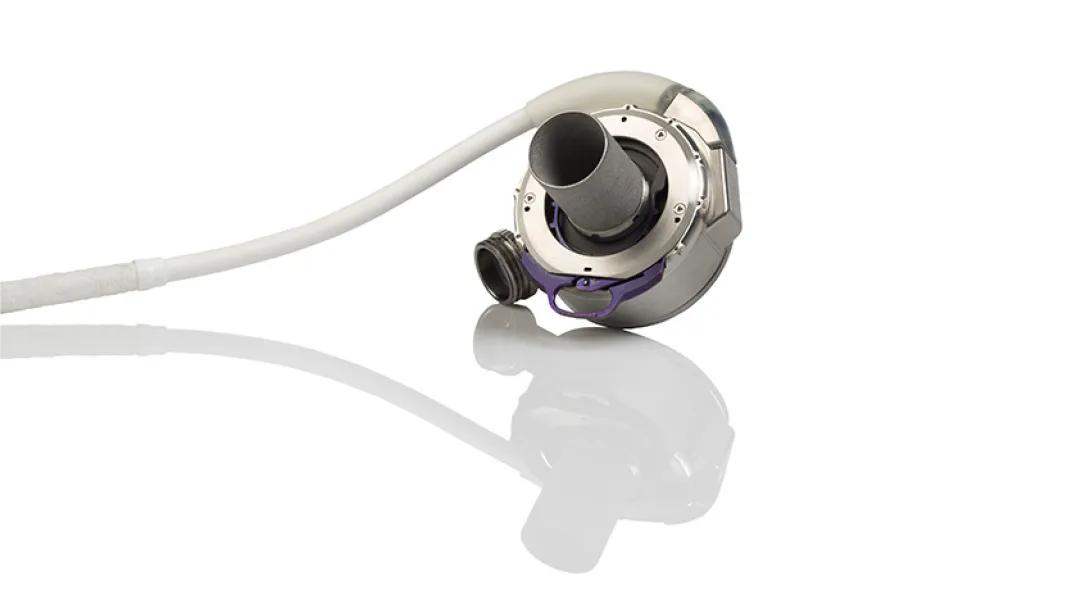
Pagani says the recent FDA approval and latest numbers from the MOMENTUM 3 trial, though, may make cardiologists and other practitioners more likely to refer their advanced heart failure patients for LVAD therapy.
"This device shows a reduction of adverse events and represents an important step in moving the therapy forward and offering it to more patients," Pagani says. "The rates of device thrombosis are about 15 times less than the previous device."
The HeartMate 3 is engineered with magnets that suspend the device's rotor in the blood, in order to eliminate friction and protect the blood cells from damage.
In addition, today's models are more durable and smaller than original VADs, making operations easier, Pagani says. Patients are now benefitting from VAD therapy for 10 years or even more and returning to a fairly active lifestyle after implantation, he says.
The HeartMate 3 is one of three approved devices for destination therapy, along with the HeartMate II and the HVAD, which is made by Medtronic. A patient's specific anatomy and physiology, along with how long they may be on support, are taken into account when selecting a pump model.
In 2016, preliminary figures from the MOMENTUM 3 trial were released in the NEJM and presented at the American Heart Association's Scientific Sessions. Later, U-M implanted the first HeartMate 3 in the state of Michigan that wasn't part of a clinical trial.
Disclosure: Abbott, the manufacturer of the HeartMate 3, funded the MOMENTUM 3 trial. Pagani consults for L. VAD Technology, Inc.

Health Lab
Explore thousands of health news & research stories by visiting the Health Lab homepage for more.
Media Contact

Public Relations
Department of Communication at Michigan Medicine
Stay Informed
Want top health & research news weekly? Sign up for Health Lab’s newsletters today!
Featured News & Stories
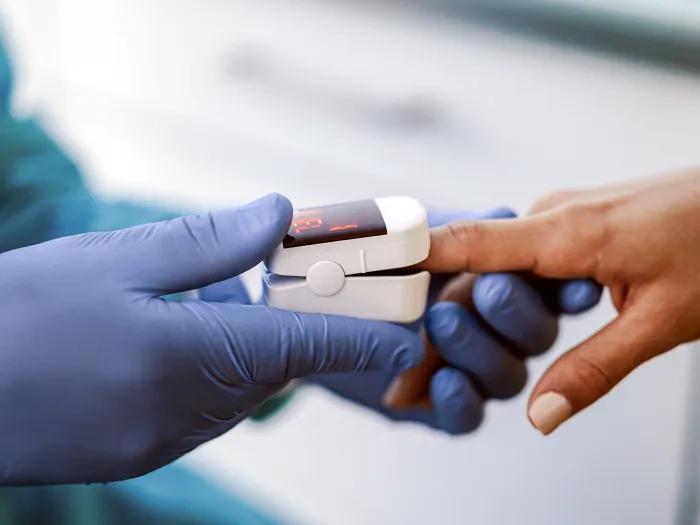
Inaccurate pulse oximeter readings could limit transplants, heart pumps for Black patients with heart failure

Digital alerts support timely treatment decisions of critically ill cardiac patients

Is the United States Lagging Behind Europe in Memory Improvement?

Reducing infections after heart surgery could save Medicare $441 million per year

Young father survives aortic dissection after delayed diagnosis