Parents Likely Misjudge Children’s Digital Screen Time
Nearly three fourths of parents misreported preschoolers’ mobile technology use; some children ages 3-5 engaged with apps intended for teens and adults.
12:15 PM
Author |
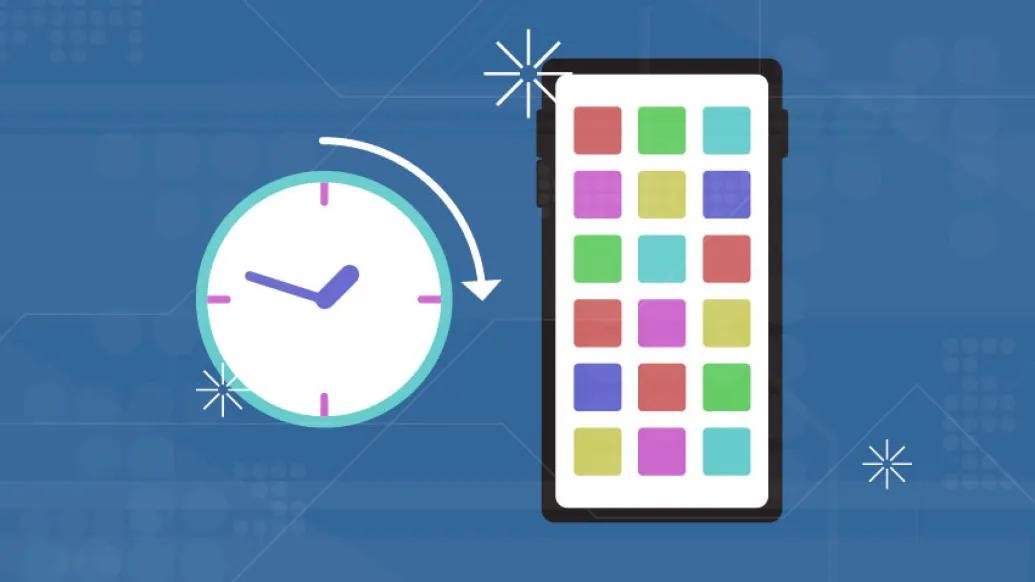
Some parents may have relaxed on screen time rules during quarantine. But even pre-pandemic, many likely misjudged how much time their young children were plugged into mobile devices, or how they were spending that time, a new study suggests.
Using a novel tracking approach, researchers found that parents often misreported preschoolers' use of digital technology – and some children ages 3-5 engaged with apps intended for teens and adults – according to the analysis published in Pediatrics.
"We found that most parents miscalculated their children's time on mobile devices. They may also not be aware of what content is being shared or what apps are being marketed to children while they're using their devices," says lead author Jenny Radesky, M.D., a developmental behavioral pediatrician and researcher at Michigan Medicine C.S. Mott Children's Hospital.
"We wanted to develop an approach to more accurately and objectively measure young children's use of mobile technology."
Michigan researchers developed an app to passively track mobile device use (for Android devices) and analyzed usage screen shots (for Apple devices) among 350 children ages 3-5 for a nine-month period between 2018 and 2019. They compared the data to parents' estimates of their child's media use.
The 121 preschoolers with their own smartphones or tablets averaged two hours of viewing a day while over half used devices for an hour or more, including 18 (15 %) who spent at least four hours on digital technology. A few of these children also had devices running into the middle of the night, as late as 3 or 4 a.m., usually on YouTube.
We found that most parents miscalculated their children's time on mobile devices. They may also not be aware of what content is being shared or what apps are being marketed to children while they're using their devices.Jenny Radesky, M.D.
And those measurements didn't always match parents' reports, with just a third accurately reporting children's mobile screen time use. About 37% of parents underestimated their child's screen time, and 35% overestimated their child's screen time, with most being off by an average of 70 minutes.
Children used between one and 85 different apps. The most commonly used apps among three and four year olds were YouTube and YouTube Kids, followed by browsers, the camera and photograph gallery, and video streaming services such as Netflix.
However, some children also used apps not designed for them, including those related to gambling, violent games and general audience apps that may not place restrictions on the data they collect or distribute to third-party advertising companies.
"We were surprised to find that some of the content these young children were exposed to were for ages 17 and older," says Radesky, who also authored screen time guidelines from the American Academy of Pediatrics.
"Parents may have the misconception that children are always engaging with programs that are age appropriate or educational."
A better way to study mobile screen time
Up to 75% of young children are estimated to have their own tablet, and many infants start handling mobile devices before age one, previous research suggests.
But measuring children's screen time in the digital age has been limited because it often relies on parents' recollections of how children used devices. Without reliable measurement tools, it's more difficult to study how mobile technology use may be associated with children's health, including sleep, obesity and behavior issues, Radesky says.
"Mobile technology is used on demand, sometimes in small bursts through the day and takes us to this immersive place. Those features may make it more difficult to track how much time we're spending on them compared to watching TV for example," Radesky says.
One of the main limitations of the app used to track data is that it cannot identify the user of shared devices, Radesky says, which is important in early childhood when many children do not have their own phones or tablets. But the tool brings researchers a step closer to getting a better picture of what screen time looks like for children growing up with modern media.
"We found that electronic data collection better reflects the complex ways modern media are used because we can learn details about nuances, such as content and time of day devices are used. We are really happy with the data we get from our Android app, and are hoping that we can eventually get the same data from Apple devices," Radesky says.
"The more meaningful the data, the better we can understand how digital technology is impacting children's growth and development."
Paper cited: "Young Children's Use of Smartphones and Tablets," Pediatrics. DOI: 10.1542/peds.2019-3518
Like Podcasts? Add the Michigan Medicine News Break to your Alexa-enabled device or subscribe for updates on iTunes, Google Play and Stitcher.

Health Lab
Explore thousands of health news & research stories by visiting the Health Lab homepage for more.
Media Contact

Public Relations
Department of Communication at Michigan Medicine
Stay Informed
Want top health & research news weekly? Sign up for Health Lab’s newsletters today!
Featured News & Stories

High dose oxytocin protocol linked to lower postpartum hemorrhage rates

4 ways to teach your teen safe driving habits

U-M-led consortium to receive up to $52 million in NIH funding to study why viral respiratory infections affect children differently
4 in 5 parents say having a baby is too expensive

Better prenatal care data could help prevent maternal complications, experts say