New guideline urges ditching opioids for painful diabetic neuropathy
Neurology experts reviewed the latest evidence to offer new recommendations for management of painful neuropathy in diabetes patients.
4:00 PM
Author |
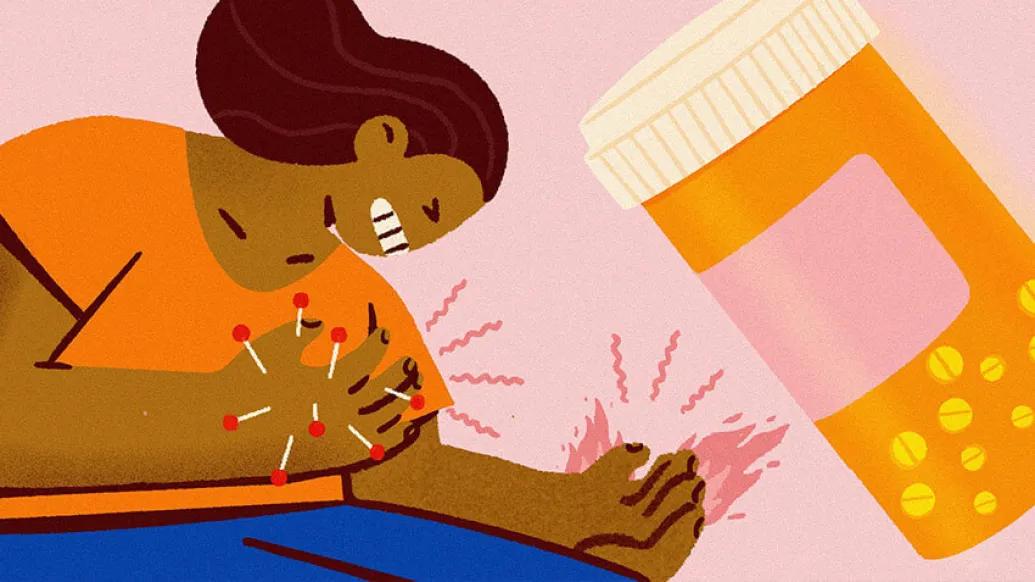
The most common prescription taken for painful nerve damage in diabetes is likely dangerous, experts say.
Despite this risk, and a lack of evidence that opioids stop pain associated with diabetic neuropathy over the long term, data from a recent nationally representative study from University of Michigan Health shows they are the most-prescribed treatment for this painful condition.
A new diabetic polyneuropathy practice guideline from the American Academy of Neurology encourages providers to select better options, says Brian Callaghan, M.D., M.S., an associate professor of neurology at U-M who led its creation. Not only do opioids come with risks, but there is also no good evidence that they are effective in the long term.
SEE ALSO: Diabetes 101 video Q&A
Instead, the guideline recommends offering one of four classes of oral medications with strong evidence: tricyclic antidepressants; serotonin-norepinephrine reuptake inhibitors or SNRIs, another category of antidepressants; gabapentinoids, non-opioid analgesics commonly prescribed for chronic pain; and sodium channel blockers, which the guideline team's meta-analysis determined to be effective for neuropathic pain.
MORE FROM THE LAB: Subscribe to our weekly newsletter
"We found that the effects of medications within a class were very similar to other medications within the same class," Callaghan said. "That allows clinicians to consider patient-specific factors like comorbidities, cost, patient preferences and potential adverse effects when selecting the specific medication to prescribe."
When a drug hasn't helped after three months, it's time to try another, according to the new guideline."However, managing expectations is also important," Callaghan said. "Our second recommendation urges the provider to be frank with patients that the goal is to reduce their pain. It may not be possible to completely resolve the symptoms."
Better detection needed for peripheral neuropathy
While more than 15% of people with diabetes experience peripheral neuropathy that's painful, there are still too many people who might never discuss it with their doctor, and thus not get any treatment for it, the authors write.
SEE ALSO: Neuropathy Study Finds Promise in Healthy Fats
"An important part of the guideline addresses this conversation that providers must have with their patients," Callaghan said. "It's important to ask people with diabetes about the presence of painful neuropathy, since we do have options to improve quality of life for these patients."
Exploring other pain management interventions for diabetic neuropathy
When a patient is interested in trying a nontraditional approach, the guideline offers recommendations for topical and nonpharmacologic options with the best evidence, like the topical treatment capsaicin, an exercise routine, and participation in cognitive behavioral therapy. On the other hand, it discourages those nontraditional options that have not been shown to be more effective than a placebo, including other oral medications and nutmeg extract.
In addition, the publication urges providers to address any mood and sleep disorders in their patients. Treating those common issues in this patient population can help with people's perception of their pain and quality of life, Callaghan said.
The results held true across all age groups and sexes.
To create the new guideline, a national team of clinicians, patient advocates and others with expertise in neuropathy and guideline methodology reviewed data from more than 100 randomized controlled trials over the past 20-plus years. Also published in Neurology, the medical journal of the American Academy of Neurology, it updates the previous guideline from 2011.
Paper cited: "Oral and topical treatment of painful diabetic polyneuropathy practice guideline update summary," Neurology.
Like Podcasts? Add the Michigan Medicine News Break on iTunes, Google Podcasts or anywhere you listen to podcasts

Health Lab
Explore thousands of health news & research stories by visiting the Health Lab homepage for more.
Media Contact

Public Relations
Department of Communication at Michigan Medicine
Stay Informed
Want top health & research news weekly? Sign up for Health Lab’s newsletters today!
Featured News & Stories

From 20 seizures a day to more time for play: How personalized epilepsy care helped young patient

Giving Voice to Lived Experience in Dementia Research

Going the extra 100 miles

Patient with rare form of diabetes finds answers in genetic testing, clinical trials

Treatment with norrin helped maintain healthy blood vessels, preserved vision in diabetic rats