Study: Rise in Meth and Opioid Use During Pregnancy
Rate of amphetamine and opioid use increased more among delivering moms in rural counties.
5:00 PM
Author |
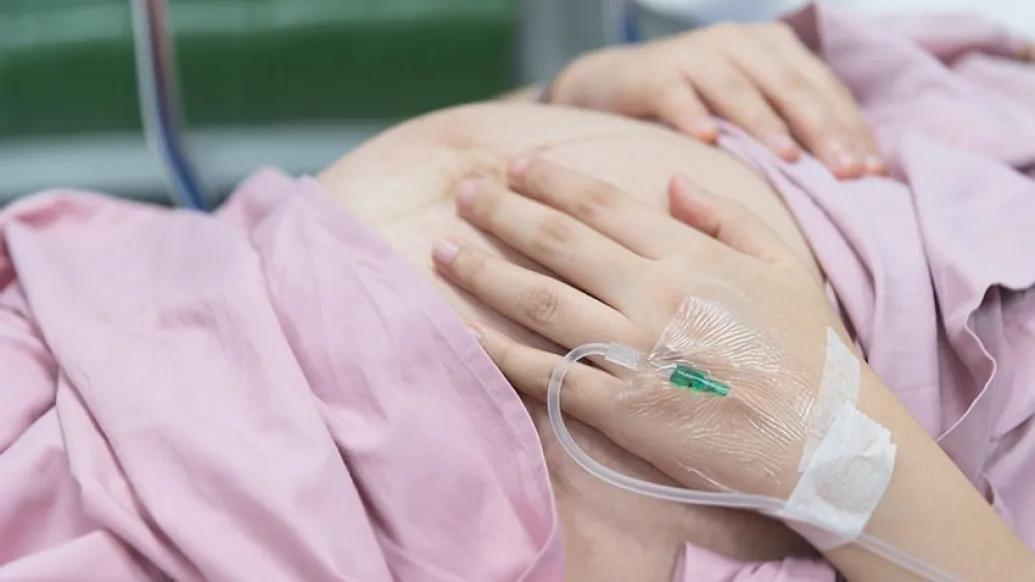
Amphetamine and opioid use in pregnancy has increased substantially over the last decade in the United States, according to a new study led by Michigan Medicine.
And a disproportionate rise occurred in rural counties.
Among pregnant women in all parts of the country, amphetamine-affected births (mostly attributed to methamphetamine) doubled — from 1.2 per 1,000 hospitalizations in 2008-09 to 2.4 per 1,000 delivery hospitalizations by 2014-15, the new research finds.
The rate of opioid use also quadrupled from 1.5 per 1,000 delivery hospitalizations in 2004-05 to 6.5 per 1,000 delivery hospitalizations in 2014-15, according to the findings published in the American Journal of Public Health. The study sample included about 47 million deliveries occurring in U.S. hospitals over the 12-year period.
For pregnant women with amphetamine use, the risk of severe maternal morbidity and mortality was 1.6 times the rate identified among moms with opioid use. The incidence of preterm delivery, pre-eclampsia or eclampsia, heart failure or heart attack, and need for a blood transfusion were also higher among deliveries to moms with amphetamine use compared to opioid use.
"We know from our previous research on maternal health disparities that there are disproportionately higher rates of substance-affected births in rural communities," says lead author Lindsay Admon, M.D., M.Sc., an obstetrician-gynecologist at University of Michigan Von Voigtlander Women's Hospital and a graduate of the National Clinician Scholar's Program at U-M's Institute for Healthcare Policy and Innovation.
"When we looked at the specific types of substances driving this disparity, we were surprised to find that amphetamine use accounted for such a significant portion," Admon adds, noting that few, if any, studies have examined the incidence of amphetamine use in pregnancy in the last decade.
"Our findings suggest both amphetamine and opioid use are growing public health crises that affect delivery and birth outcomes."
Admon, the study's senior author Tyler Winkelman, M.D., M.Sc., and their colleagues also recently examined 1.3 million hospitalizations related to amphetamines in the general adult population. By 2015, amphetamine-related hospitalizations were associated with higher risk for in-hospital mortality and accounted for $2.2 billion in hospital costs, the researchers found.
Early and adequate access to prenatal care for women with substance use has been shown to improve birth outcomes.
Geography influences health, recovery
An estimated 82,254 delivery hospitalizations during the decade-long study period included one or more amphetamine use diagnoses, and 170,164 included one or more opioid use diagnoses.
By 2014-15, amphetamine use complicated roughly 1 percent of all deliveries in the rural West (11.2 per 1,000 hospital deliveries), which was higher than the incidence of maternal opioid use in most regions. The highest incidence of maternal opioid use was identified in the rural Northeast, complicating nearly 3 percent of all deliveries (28.7 per 1,000 hospital deliveries).
Higher proportions of patients in both substance use groups were non-Hispanic white, from lower-income communities, and had public insurance compared to other hospital deliveries.
"Early and adequate access to prenatal care for women with substance use has been shown to improve birth outcomes," Admon says. "However, geographic disparities have a major impact on the health and well-being of pregnant women and infants.
"There are significant barriers to obstetric care access in many rural communities, particularly for women with substance use."
Barriers to treatment
Determining treatment specifically for prenatal amphetamine use is also a challenge.
While there's gold standard medical treatment for maternal opioid use, Admon says, the evidence for amphetamine use disorder treatment among pregnant women is limited. Cessation is associated with improved birth outcomes, but obstetricians could use more guidance on how to promote cessation among their patients.
Federal efforts to curb access to precursor drugs used to make meth in the mid-2000s helped reduce amphetamine use overall, Admon notes. But as new methods were used to make the drug, meth use has again spiked.
Rural areas have the double whammy of greater access to amphetamines but less access to addiction treatment services. Further complicating the matter are laws that criminalize substance use during pregnancy that may discourage women from disclosing the concern to their health provider.
Neonatal intensive care units in rural counties may also not have adequate capacity to care for babies born with neonatal abstinence syndrome, which describe health problems a baby experiences when withdrawing from exposure to narcotics.
"We have seen a significant increase in infants born with symptoms of drug withdrawal," says Winkelman, of Hennepin Healthcare in Minneapolis and graduate of the National Clinician Scholars Program at U-M's IHPI.
"We need to devote more resources to prevent and treat substance use in pregnancy, especially in low-income and rural communities."
Neonatal abstinence syndrome accounted for $3 billion in hospital costs between 2004 and 2014, according to another study led by Winkelman and colleagues.
More intervention needed
The new study follows Admon's previous research, which found that pre-existing, chronic conditions among delivering women have increased substantially and are linked to adverse birth outcomes.
Prior work by Admon and colleagues also examined racial and ethnic disparities in the incidence of behavioral health conditions, including substance use disorders. Substance use was less common among African-American and Hispanic women, but, when present, was associated with a higher risk for adverse birth outcomes compared to non-Hispanic white women.
"It is critical that health providers employ universal screening for substance use early in pregnancy," Admon says. "Optimizing access to prenatal care is a crucial mechanism to connect women with the services they need for their health and their baby's health."
"We need to find better ways to prevent, detect and treat maternal amphetamine and opioid use. Developing treatment programs that can reach women in the geographic areas most affected by these epidemics is key to improving outcomes for mothers and newborns."

Health Lab
Explore thousands of health news & research stories by visiting the Health Lab homepage for more.
Media Contact

Public Relations
Department of Communication at Michigan Medicine
Stay Informed
Want top health & research news weekly? Sign up for Health Lab’s newsletters today!
Featured News & Stories
High dose oxytocin protocol linked to lower postpartum hemorrhage rates
Better prenatal care data could help prevent maternal complications, experts say
Many hospitals still don’t do enough to prevent UTIs from catheters
PCOS has a new name

Who’s at risk for painful periods?