Kids gained excess weight during the pandemic
A study of a large cohort of children and adolescents suggests that childhood obesity rates have spiked during the COVID-19 era.
12:56 PM
Author |
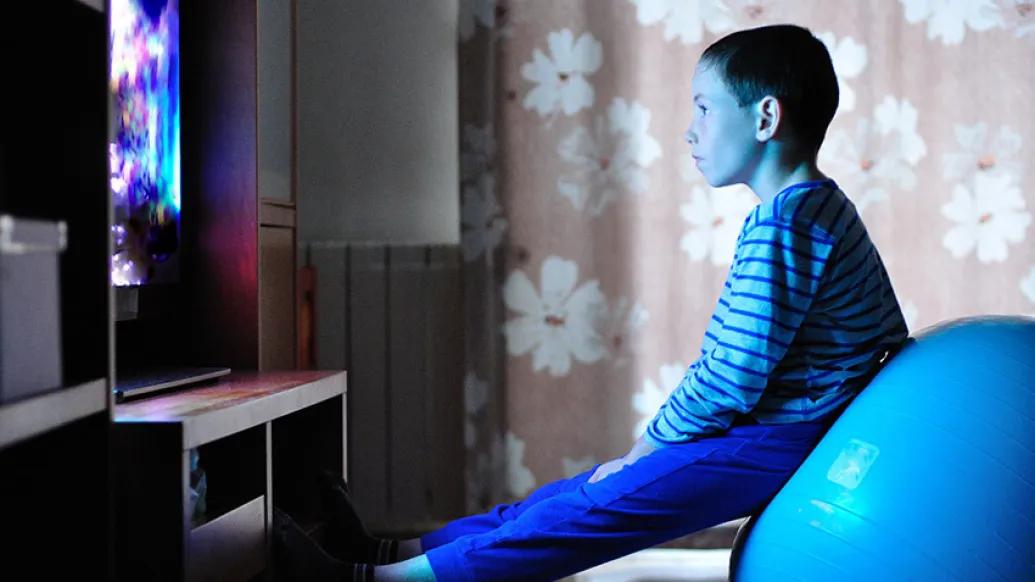
During the pandemic's long months of stay-at-home orders and limited activities, American children gained excess weight, a new study of almost 200,000 kids suggests.
This led to a higher number of children and adolescents who were obese or overweight, according to the analysis.
"Childhood obesity has long been a major health concern and our findings suggest that the pandemic may have compounded this problem," said one of the lead authors Susan Woolford, M.D. ,M.P.H., a child obesity expert and pediatrician at University of Michigan Health C.S. Mott Children's Hospital and researcher with the Susan B. Meister Child Health Evaluation and Research Center.
"We know that excess weight gain during childhood is difficult to reverse and often has long term consequences."
A team of researchers from U-M and Kaiser Permanente Southern California analyzed KPSC electronic health record data of kids and teens ages 5-17. Researchers compared their body mass index, or BMI, before the pandemic between March 2019 and January 2020 to during the pandemic between March 2020 and January 2021.
Excess weight gain was particularly notable in the youngest children, 5 to 11 years old, who gained an average of five pounds more during the pandemic period. Whereas older children ages 16-17 gained two pounds more compared to the previous year.
This extra weight gain increased the prevalence of young children considered overweight or obese by roughly 9%, according to the research published in the Journal of the American Medical Association.
The idea for the study spawned from a survey Woolford and colleagues conducted after observing excess weight gain among their own patients. The findings offered a glimpse into parents' perspectives about the impact of COVID on their children.
"We learned that children's habits changed in ways that were likely to lead to weight gain, and we wanted to see if this actually occurred," she said. "It seemed particularly important in light of the fact that COVID appears to have a more severe course in patients with excess weight."
Potential COVID-linked stressors contributing to weight gain
Previous reports indicate the pandemic and accompanying changes in lifestyle were associated with weight gain among adults as well.
Similarly, for many young people, COVID-19 came with major disruptions in routines that may have impacted health habits.
"Other studies suggest that physical activity decreased significantly during 2020 among young people, most likely due to virtual school, increases in screen time, less time spent outdoors, and limited access to organized sports," Woolford said. "Eating habits also likely changed along with changes in children's sleeping patterns.
"2020 was also a particularly stressful year and this may also have played a role."
Families were unexpectedly and abruptly stretched by new demands from the pandemic. These strains may have overshadowed healthy habits.Susan Woolford, M.D., M.P.H.
For some families, working from home while supervising children in virtual school or home during daycare closures, there were obvious stressors that may have impacted the ability to make healthy choices, Woolford said. Others may have faced economic hardships that required working longer hours or that limited their access to healthy foods.
While some of these barriers may be temporary during pandemic times, it can be difficult to reestablish healthy habits and reset weight – which is also the case even after children gain excess weight during summers – Woolford said.
And as the pandemic continues, she said families may need to prepare for children being in and out of in-person activities, including school and organized activities like team sports.
Simple steps like keeping junk food out of the house (so it is harder to snack on unhealthy options) and building in small increments of movement through the day could help develop long term healthy habits, she said. This could include a family dance party to YouTube videos, shooting hoops in the driveway, free time outside, going to the park or a brisk walk with the dog.
She recommends families seek online resources that offer ideas to keep kids active when they're not in school, such as InPACT at Home, a program developed by U-M with state and national partners.
Maintaining consistent sleep patterns and finding ways to address stress are also particularly important.
"Families were unexpectedly and abruptly stretched by new demands from the pandemic. These strains may have overshadowed healthy habits," she said.
"It appears that the pandemic will wax and wane. It's important for families and health providers to monitor how these changes impact youth and to intervene and to support healthy lifestyle practices as we adjust to this new reality."
Other authors include Ken Resnicow, Ph.D., of the University of Michigan School of Public Health; and Corinna Koebnick, Ph.D.; Margo Sidell, Sc.D.; Xia Li, M.Sc.; Veronica Else, R.N., M.S.N. and Deborah R. Young, Ph.D. of Kaiser Permanente Southern California Department of Research & Evaluation.
Paper cited: "Changes in Body Mass Index Among Children and Adolescents During the COVID-19 Pandemic," JAMA. DOI:10.1001/jama.2021.15036

Health Lab
Explore thousands of health news & research stories by visiting the Health Lab homepage for more.
Media Contact

Public Relations
Department of Communication at Michigan Medicine
Stay Informed
Want top health & research news weekly? Sign up for Health Lab’s newsletters today!
Featured News & Stories

Continuing the legacy of a doctor’s doctor

U-M-led consortium to receive up to $52 million in NIH funding to study why viral respiratory infections affect children differently

4 in 5 parents say having a baby is too expensive

U-M Board of Regents approves construction of Nathan and Catherine Forbes Sports Medicine Institute

A pediatric epilepsy fundraiser that changes lives