‘Game-Changing’ Alzheimer’s Drug Just a First Step
News outlets were quick to herald an experimental drug’s impact on early-stage Alzheimer’s patients. But neurologists caution more research is needed.
7:00 AM
Author |
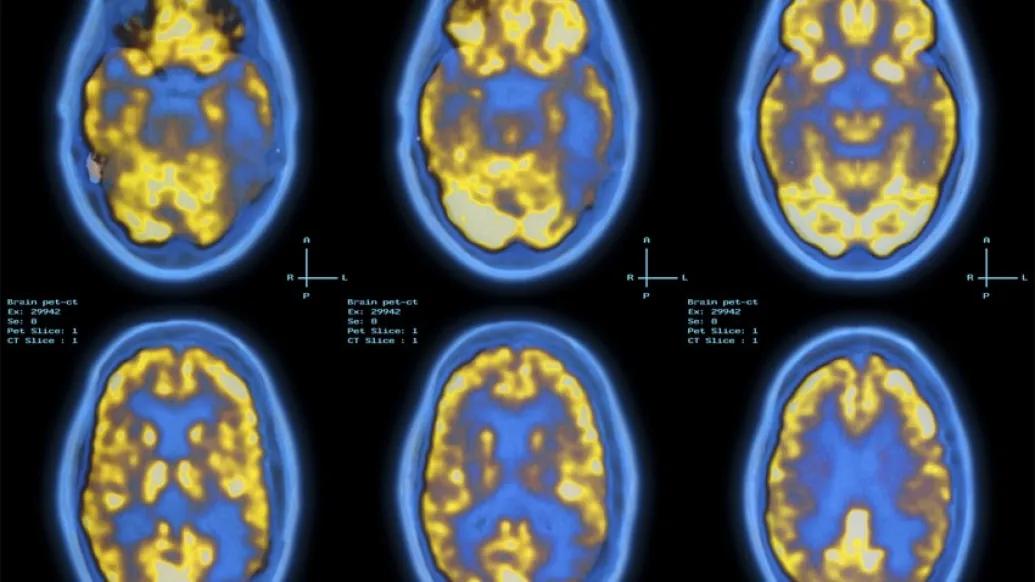
It was all over TV news and online media: A possible treatment for Alzheimer's has been announced. And though the researchers tried to temper expectations, they couldn't deny the exciting prospect of the September paper published in Nature.
SEE ALSO: Despite Lack of Evidence, 10 States Allow Medical Marijuana for Alzheimer's
Funded by the biotech company Biogen, the study reported an experimental drug, called aducanumab, greatly reduced plaques in the brains of early-stage Alzheimer's disease patients. Plaques have long been targeted as the chief drivers of cell death and tissue loss — and in turn, impairment — in Alzheimer's patients. Stopping plaque buildup may be key to halting the disease's progression.
Thrilling as this drug development may be for patients and families, neurologist and Alzheimer's disease researcher Judith Heidebrink, M.D., reacted to the news with both caution and excitement. She explains why.
Why is this research touted as a game-changer by scientists and the media?
Heidebrink: The study shows how impressive this particular compound is at removing the amyloid plaque from the brain. Brain scans measuring amyloid plaque buildup before and after treatment showed a very consistent effect of aducanumab — the higher the dose, and the longer the treatment, the greater the effect. At the end of the study, the group who received the highest dose had scans so improved one could barely call them abnormal anymore. The effect was powerful.
What makes you doubt the game-changer status?
Heidebrink: This is a preliminary study. It's great that the amyloid scans look better, but we really need to know how and if this drug could help our patients. This study was not designed to look at clinical effects, but there was a suggestion that people receiving the drug had less cognitive decline than people on the placebo. This needs more research, so that's why the U.S. Food and Drug Administration granted it fast-track designation to the next step.
The study also looks at early-stage patients, so we would also want to know if the severity of the symptoms matters.
What are you telling your patients and their families about the research?
Heidebrink: I haven't received requests for this drug yet, but a couple of colleagues have. It's important to remind patients that this drug is still experimental, and the study is very preliminary. The goal was to determine if the drug has an effect worth pursuing, and if it's safe.
SEE ALSO: Why Antipsychotics and Dementia May Not Mix
With this and any medication, you have to consider side effects, and some subjects did develop areas of local brain swelling and had to discontinue the study drug. Some of these subjects experienced temporary confusion and headaches. The risk must always be balanced against the benefit.
Instead of waiting to try this particular drug, I continue to encourage all patients and their families to consider participating in research. This new study is only one method that's being explored as a way to remove the amyloid. Other research is looking at preventing it from the beginning, and many different approaches are being considered, including several studies our team is working on.
Research, often from many angles, is the only way we move forward.

Health Lab
Explore thousands of health news & research stories by visiting the Health Lab homepage for more.
Media Contact

Public Relations
Department of Communication at Michigan Medicine
Stay Informed
Want top health & research news weekly? Sign up for Health Lab’s newsletters today!
Featured News & Stories

Potential New Blood Test in Alzheimer’s Disease Could Advance Treatment

Are you at risk of a genetic disease? Guidelines for testing should be updated, experts say

From 20 seizures a day to more time for play: How personalized epilepsy care helped young patient

Going the extra 100 miles

Small daily activities may help ease dementia caregivers’ stress