Early Hearing Loss May Mean Higher Risk of Drug and Alcohol Issues
A national study shows prescription opioid use disorder is twice as high among deaf and hard-of-hearing young and middle-aged adults, compared with their peers who don’t experience hearing issues.
7:00 AM
Author |
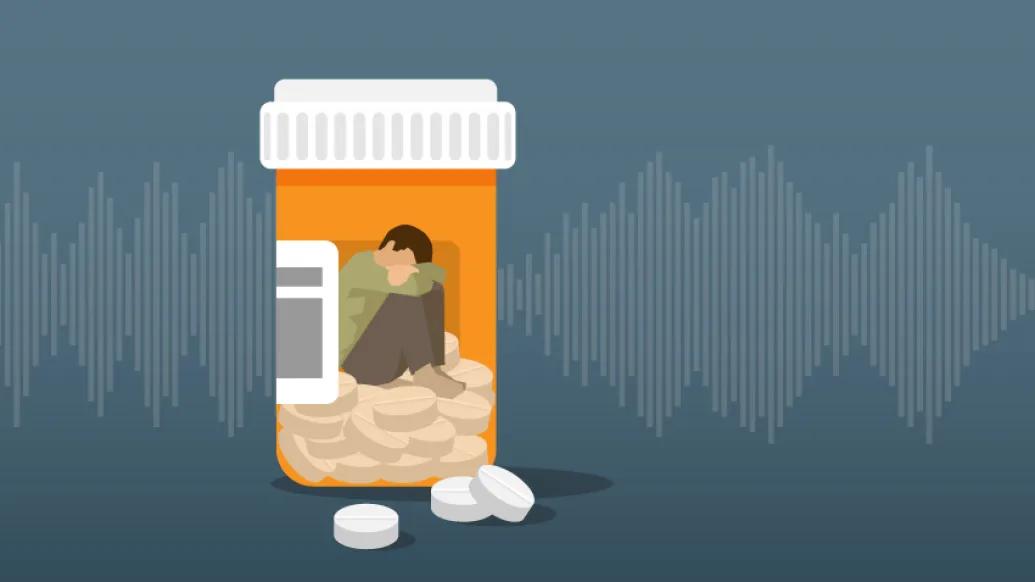
People under age 50 with hearing loss misuse prescription opioids at twice the rate of their hearing peers and are also more likely to misuse alcohol and other drugs, a new national study finds.
This means that health care providers may need to take special care when treating pain and mental health conditions in deaf and hard-of-hearing young adults, the researchers say.
LISTEN UP: Add the new Michigan Medicine News Break to your Alexa-enabled device, or subscribe to our daily audio updates on iTunes, Google Play and Stitcher.
Writing in the April issue of the American Journal of Preventive Medicine, a team from the University of Michigan and VA Ann Arbor Healthcare System describe their findings from data on 86,186 adults who took part in the National Survey on Drug Use and Health.
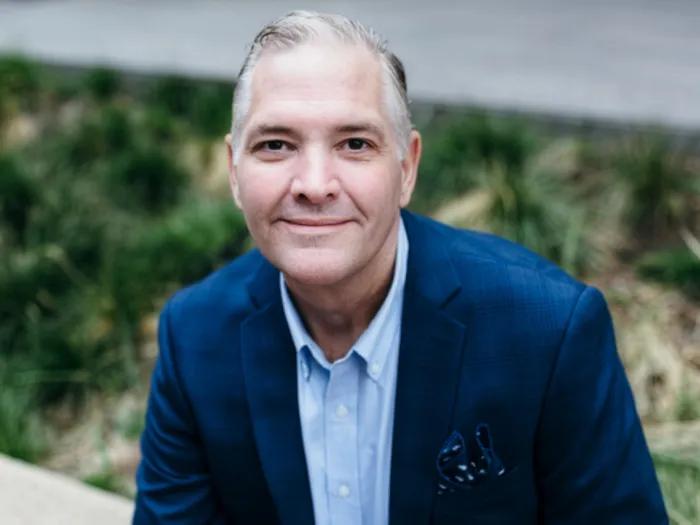
The marginalizing effects of hearing loss, such as social isolation, may be creating higher rates of substance use disorders too.Michael McKee, M.D., MPH
In all, adults under 50 with hearing loss were more likely than others in their age group to have a substance use disorder, while those over 50 with hearing loss did not differ from their peers in rates of substance issues.
Even after the researchers adjusted for differences in social, economic and mental health between the hearing and hard-of-hearing populations, the differences remained.
Adults under 35 with hearing loss were 2½ times more likely to have a prescription opioid use disorder. Those ages 35 to 49 who had hearing loss were nearly twice as likely as their hearing peers to have disorders related to both prescription opioids and alcohol.
A disproportionate share
Michael McKee, M.D., MPH, led the research effort after noticing that a disproportionate share of his younger patients with hearing loss were struggling with substance use disorders.
McKee runs the Deaf Health Clinic that provides primary care and mental health care to deaf and hard-of-hearing patients of Michigan Medicine, U-M's academic medical center.
"Hearing loss is connected with a variety of health problems, including mental and physical health, that may place these individuals at risk for pain disorders," McKee says. "Also, the marginalizing effects of hearing loss, such as social isolation, may be creating higher rates of substance use disorders too."
Communication barriers
For those whose health care providers know of their hearing loss, McKee suspects that the higher rate of prescription opioid use disorder may stem from a higher rate of being placed on controlled substances to quickly address pain issues, perhaps because of communication barriers.
"It may be easier to write a prescription rather than engage in complex patient-provider communication between a hearing provider and nonhearing patient," he says.
MORE FROM MICHIGAN: Sign up for our weekly newsletter
But the research suggests that part of the issue may be lack of awareness by health care providers of their younger patients' degree of hearing loss.
In all, 5 percent of adults of all ages taking part in the survey said they had serious hearing loss or were deaf. That includes 1.5 percent of those under age 35, 2.2 percent of those ages 35 to 49, and 9.4 percent of those over 50.
More attuned with older patients
McKee, a U-M Department of Family Medicine physician who uses a cochlear implant to offset his own hearing loss, says health care providers may be more attuned to potential communication and prescription concerns with older patients. This would mean older patients would be more likely to avoid many of the prescription use disorders seen in the other two age categories.
"We need to first inquire and ensure effective and accessible communication with our patients," McKee says. "We need to be willing to engage in a dialogue to explore the root of their pain/mental health issues rather than just dispensing a prescription that may lead to dependency or addiction."
SEE ALSO: Hearing Aids Linked to Fewer Hospital and ER Visits by Older Adults
This means providers should use "universal communication precautions," approaching each patient without assumptions about their communication abilities, assessing for hearing loss and other communication-related issues and determining how to accommodate each patient.
McKee also notes that lack of access to addiction-related care for deaf and hard-of-hearing patients may play a role.
McKee and several co-authors are faculty in the U-M Medical School and members of the U-M Institute for Healthcare Policy and Innovation. They include disability researcher Michelle Meade, Ph.D., of the Department of Physical Medicine and Rehabilitation, Chair of Family Medicine Philip Zazove, M.D., and Mark Ilgen, Ph.D., director of U-M Addiction Treatment Services. The research team also included Haylie Stewart and Mary Jannausch from the U-M Department of Psychiatry and VA Center for Clinical Management Research, of which Ilgen is also a member.

Health Lab
Explore thousands of health news & research stories by visiting the Health Lab homepage for more.
Media Contact

Public Relations
Department of Communication at Michigan Medicine
Stay Informed
Want top health & research news weekly? Sign up for Health Lab’s newsletters today!
Featured News & Stories
Study reveals improving trends for treatment of opioid use disorder before surgery

Major Changes to Medicaid

Sports gambling on the rise among college students
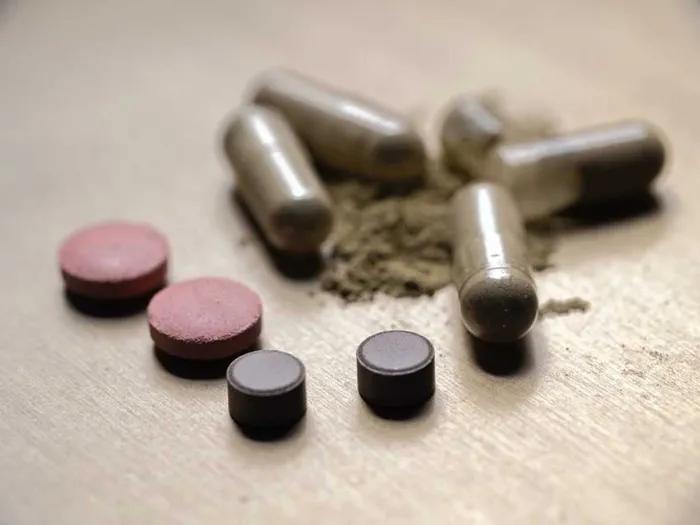
What’s the latest on 7-OH and kratom availability and addiction care?
College of Pharmacy alum advances U-M Medical School addiction research