
Depression, anxiety may be linked to c-section risk among pregnant women
Study sheds light on relationship between perinatal mood and anxiety disorders and first time cesarean delivery among pregnant women.
5:00 AM
Author |
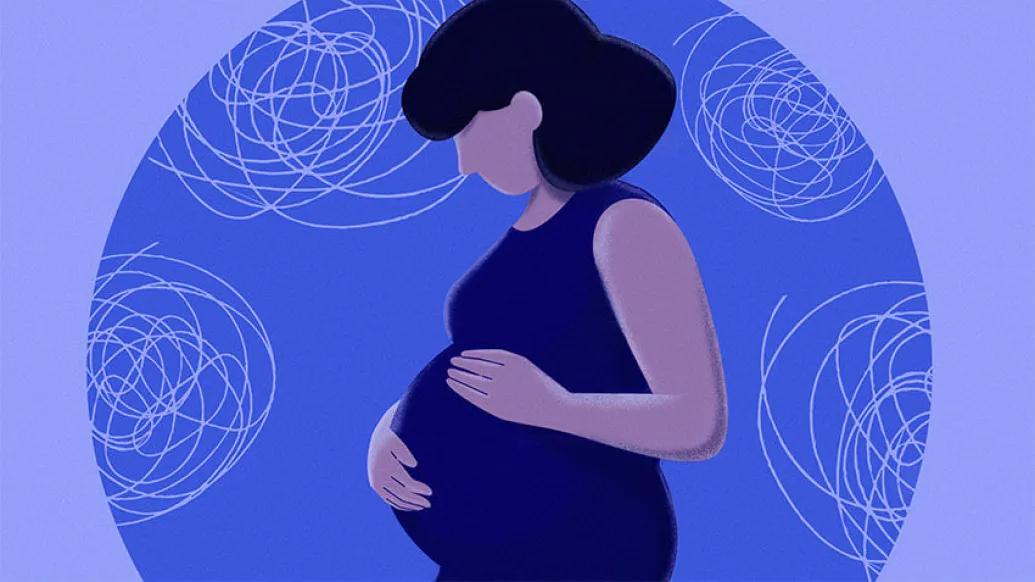
Depression and anxiety in pregnant women may be connected to the type of delivery they have, new research suggests.
Perinatal mood and anxiety disorders have already been associated with adverse pregnancy outcomes like low birth weight and preterm birth. And now, a new Michigan Medicine study finds that they may also be linked to significantly higher rates of first time cesarean deliveries among women who were otherwise at low risk of having one.
"Our findings reinforce the importance of better identifying and treating perinatal depression and anxiety disorders in pregnant women," said senior author Vanessa Dalton, M.D., M.P.H., obstetrician gynecologist at University of Michigan Health Von Voigtlander Women's Hospital.
"It's critical to better understand how these mood disorders increase the likelihood of cesarean section deliveries, which we know have both short and long-term health consequences for both expecting moms and their babies."
Researchers analyzed national data for 360,225 delivery hospitalizations among commercially insured women ages 15-44 during the decade between 2008 and 2017, with 24% including a first-time delivery by cesarean section. The findings appear in Health Affairs.
The study is among the largest to document a link between predated mood and anxiety disorders and first-time c-sections among low-risk pregnant women. Previous research on this relationship is limited, often including patients who had previous cesarean deliveries – one of the most significant predictors of a repeat c-section – or who may not have already been diagnosed with a perinatal mood disorder.
It's critical to better understand how these mood disorders increase the likelihood of cesarean section deliveries, which we know have both short and long-term health consequences for both expecting moms and their babies.
Perinatal mood and anxiety disorders affect as many as one in five reproductive-age women in the United States, and the prevalence of these disorders more than doubled between 2006 and 2015 among childbearing women in the U.S. The prevalence of suicidal ideation and intentional self-harm in the year before or after a birth also rose during that time period, with suicide being a leading cause of maternal mortality.
"There's been growing recognition that mental health is really important during the time of pregnancy," Dalton said. "Maternal suicide risk is especially high the year following delivery."
Anxiety and depression have numerous other negative consequences for women and their children, Dalton said, including adverse birth outcomes, higher rates of maternal morbidity, and lost earnings.
Estimated costs of untreated perinatal mood and anxiety disorders also exceed $14 billion in the U.S. from conception through the first five years of a child's life and may affect the long-term use of health care resources for both women and their children, authors note.
Caesarian section risks
Reducing the rate of first-time cesarean sections is a Healthy People 2030 goal in the U.S. endorsed by numerous public health and professional societies.
Like any major surgery, cesarean deliveries come with several associated risks, including blood clots, hemorrhaging, infection and risks to future pregnancies. Most women who undergo a cesarean section for their first birth will go on to have a repeat cesarean section.
Like Podcasts? Add the Michigan Medicine News Break on iTunes or anywhere you listen to podcasts.
"Cesarean sections are a major contributing factor to maternal morbidity events after a delivery with many adverse downstream effects," Dalton said. "We need to understand all factors that may increase a woman's chance of a c-section delivery so we can avoid any unnecessary risks."
Authors note that the Healthy People goal is to reduce caesarians by 2.3% – and that about women with a prenatal diagnosis of anxiety or depression had a predicted probability of having a cesarean section that was about 3.5% higher than women without anxiety or depression.
Women with these disorders were more likely to be older, be White, and reside in a household with income more than 400 percent of poverty compared with those without perinatal mood and anxiety disorders
While reasons for the relationship are speculative, there have been unproven theories, including a notion that prenatal anxiety is sometimes focused on the delivery itself – which may prompt providers to turn to cesarean to reduce the labor process. Others have theorized that maternal distress may affect placental development, which in turn may impact symptoms of fetal distress during labor that could prompt a caesarian section.
MORE FROM THE LAB: Subscribe to our weekly newsletter
But none of these speculations have been proven and further studies are needed to gain insight on the association, Dalton said.
"We need more research to clarify the relationship between perinatal mood and anxiety disorders and primary cesarean section rates to enhance our understanding of the consequences of these disorders for health outcomes," she said. "This could potentially inform efforts to develop and evaluate effective treatments and policy interventions."
Other authors include Melissa Zochowski, M.B.A.; Giselle Kolenic, M.A.; Kara Zivin, Ph.D, M.S., M.A.; Anca Tilea, Lindsay Admon, M.D., M.Sc. and Stephanie Hall, M.P.H. all of U-M; and Agatha Advincula, of the University of Pennsylvania.
Paper cited: "Trends In Primary Cesarean Section Rates Among Women With And Without Perinatal Mood And Anxiety Disorders," Health Affairs. DOI: 10.1377/hlthaff.2021.00780

Health Lab
Explore thousands of health news & research stories by visiting the Health Lab homepage for more.
Media Contact

Public Relations
Department of Communication at Michigan Medicine
Stay Informed
Want top health & research news weekly? Sign up for Health Lab’s newsletters today!
Featured News & Stories

Giving Voice to Lived Experience in Dementia Research

Exploring the mind’s mysteries: 130 years of mental health care & innovation at U-M

How U-M helped bring depression out of the darkness

What’s changing in Medicaid and what can you do?

Small daily activities may help ease dementia caregivers’ stress

