Activity Trackers: Tools for Patient Behavior Change
Wearable devices can help individuals adopt healthy habits, preliminary research has found. In the future, they will become even more important tools.
8:00 AM
Author |
Physical activity can reduce heart disease risk, lower blood pressure, decrease stress, maintain weight, improve mood — the list goes on and on.
But getting patients to exercise consistently, even when they know they should, can be a challenge. Wearable activity trackers could be one solution to encourage patients to get up and move, according to a University of Michigan cardiologist.
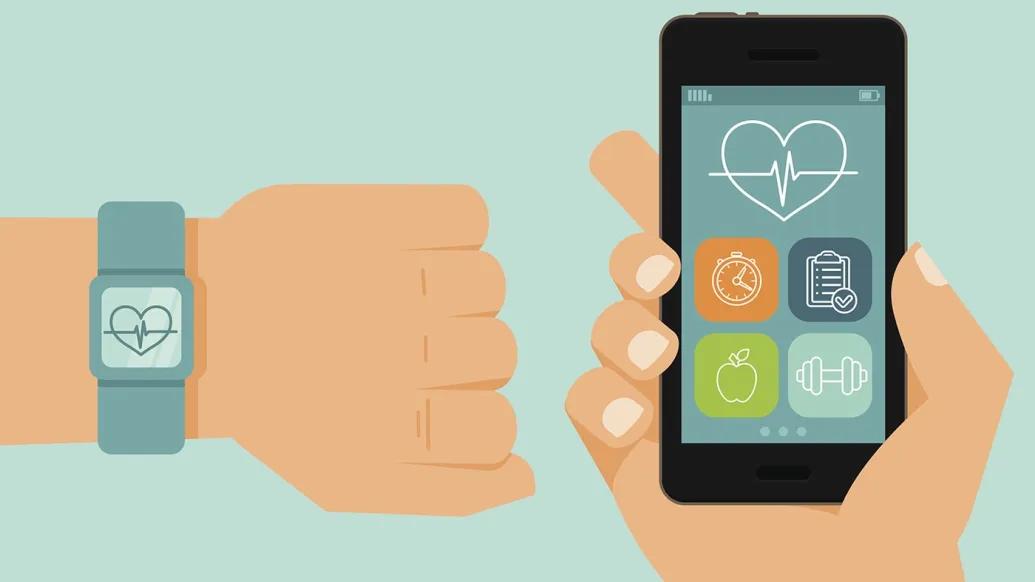
Activity trackers, such as the Fitbit, Jawbone or Misfit, are typically worn on the wrist or belt and track metrics such as steps, heart rate (only for the wrist-worn devices) and sleep. Some devices vibrate or buzz when the wearer has reached a milestone, such as 10,000 steps in a day.
Activity trackers can help patients undergoing rehabilitation get more physical activity, which can decrease their recovery time and provide long-term benefits, according to Elizabeth A. Jackson M.D., MPH, associate professor of medicine and director of the Women's Heart Program in the Division of Cardiovascular Medicine at the University of Michigan Health System, says.
We're going to see a continuous growth in leveraging wearable activity trackers. [They will become] more sophisticated and tailored according to disease states as well as patients.Elizabeth A. Jackson M.D., MPH
Activity trackers for cardiac rehab
Jackson oversees several research projects supported by the National Institutes of Health that examine how activity trackers can promote lifestyle changes, including for patients with vascular disease; patients who've recently had a heart disease incident, such as a heart attack; and patients preparing for or recovering from surgery.
She points to cardiac rehabilitation as an example of how the health care field can do better. Physicians often refer patients to cardiac rehabilitation programs, medically supervised programs that provide education about improving exercise, reducing stress and eating healthy.
But cardiac rehabilitation programs are not always covered by insurance, and many patients can't afford the out-of-pocket costs. Even when covered by insurance, cardiac rehab requires patients to travel to the rehabilitation center, which might not be close to their home, costing money and time.
"Too often, doctors think patients should come to us," Jackson says. But exercise can be done effectively at home. And many people prefer to exercise in their own space, she notes.
It's important for physicians to recognize the types of hurdles patients face when recommending treatment and behavioral changes. "There are a lot of ways we can meet patients halfway in terms of improving their wellness," she says. "A tracker giving real-time feedback on physical activity and sedentary behavior can provide one component of a program to promote change."
Getting patients more directly involved in their health goals can also lead to positive results. "Patients like being asked what they need and when they need it," she says.
Saying 'no' to a sedentary lifestyle
In this new digital health world, physicians should consider how they can partner with their patients to improve their care and health. Part of that is improving a sedentary lifestyle.
"We often think about physical activity as going out for a walk once a day," Jackson says. But everyone can benefit from moving more all day long, not relegating exercise to one segment of the day.
Jackson encourages physicians to talk with patients about what they do throughout their day, so they can discover together ways to incorporate small changes to increase their activity. That might include investing in a standing or treadmill desk, spacing out small chores all day long or standing or doing exercises while watching TV at night, rather than lounging on the sofa.
"Small changes add up to real gains," she says.
In the next few years, wearables will become more advanced, able to track more health measurements, Jackson says.
"We're going to see a continuous growth in leveraging wearable activity trackers. [They will become] more sophisticated and tailored according to disease states as well as patients. … This is one of the penultimate patient-centered care research programs."

Health Lab
Explore thousands of health news & research stories by visiting the Health Lab homepage for more.
Media Contact

Public Relations
Department of Communication at Michigan Medicine
Stay Informed
Want top health & research news weekly? Sign up for Health Lab’s newsletters today!
Featured News & Stories

Are Schools Prepared to Save Lives?

Gene editing is coming for common diseases. Are we ready?

C.S. Mott Children’s Hospital first in country to implant expandable heart valve during FDA review phase

More than half of U.S. adults now qualify for statins under new guidelines

Expert complex heart surgery team saves baby with rare genetic heart condition