A Better Way To Study “Screen Time”
Technology’s impact on children: How can we improve the research? Michigan child development researcher leads session at Pediatric Academic Societies meeting.
12:44 PM
Author |
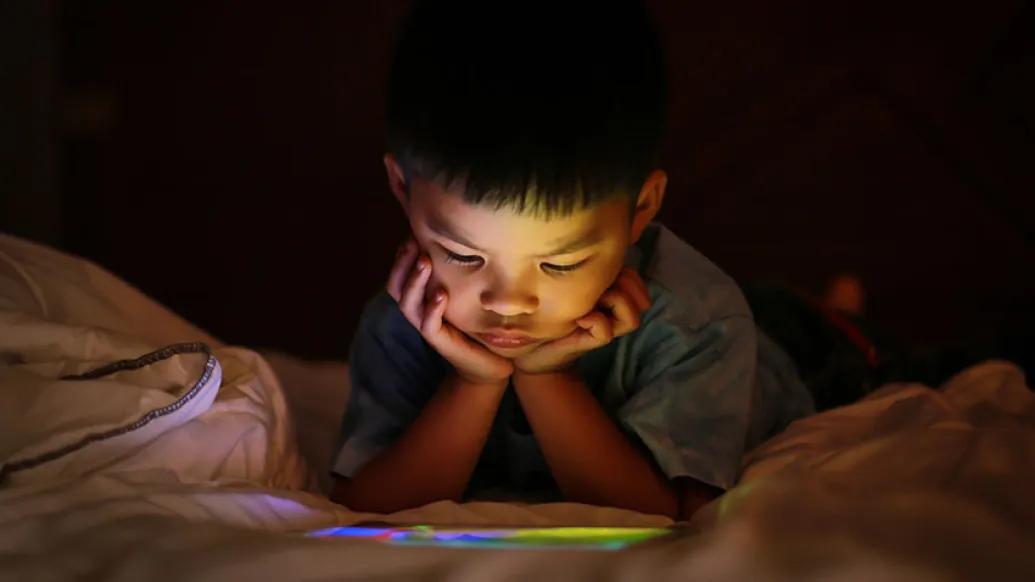
With children growing up with smartphones, tablets and other mobile technology as a part of everyday life, researchers are trying to keep up with studies tracking how this new era may affect young people's brains and health.
Studies have suggested everything from an association between increased time in front of a screen and memory and attention issues to slower progress on language skills in kids.
LISTEN UP: Add the new Michigan Medicine News Break to your Alexa-enabled device, or subscribe to our daily audio updates on iTunes, Google Play and Stitcher.
But the approach to measuring this data may not lead to the most accurate or meaningful findings, researchers say.
A session led by a University of Michigan C.S. Mott Children's Hospital pediatrician at this week's Pediatric Academic Societies meeting will focus on current gaps in studying the impact of modern technology on children and new methods to strengthen research in the field.
It's a timely topic. For the first time this week, the World Health Organization even weighed in on screen time. The agency made international news after it issued guidelines on April 24 saying children should not be exposed to screens at all in their first year of life and those ages 2 to 4 should have no more than an hour of "sedentary screen time" a day.
We want to get the ground view on how children are engaging with devices using the most accurate and objective measures possible,Jenny Radesky, M.D.
Speakers in the PAS session led by Jenny Radesky, M.D., a developmental behavioral pediatrician and researcher at Mott, represent different areas of pediatrics, media research, and innovation.
"We are trying to bring together experts who can discuss cutting-edge methods to improve research on modern technology's impact on children," Radesky says.
MORE FROM MICHIGAN: Sign up for our weekly newsletter
"Scientifically it's not a good measurement when you're asking a parent to recall how many minutes a day they think their child is using mobile devices. But most of the current research in this area is based on this type of information. There may be errors in what parents report. Results also aren't particularly meaningful because we don't have details about exactly how children were using devices."
Using new tools to study impact
As one example of a new tool to bolster research, Radesky will share her experience using a customized app for an ongoing study of young children using tablets. Participants agreed to enable the app to share data from their child's device showing researchers minute-by-minute activity.
The study will measure baseline characteristics like a child's emotional regulation, executive function, attention and impulse control and follow children over time while tracking their device use.
"We want to get the ground view on how children are engaging with devices using the most accurate and objective measures possible," Radesky says. "Are they playing educational games or watching YouTube for example? And if they're on YouTube, how long and what time of day? Do they usually use devices at breakfast or before bed?"
Radesky has started coding apps by category (for example, educational versus streaming video) and tracking children's interactions with different categories of use while measuring children's developmental scores.
After researchers pull the data they need, the information from the app will be destroyed to protect privacy.
Radesky will be joined by her U-M colleague Tiffany Munzer, M.D., who will be giving a talk about novel ways to study mobile technology and parent-child interaction.
"Parents see these guidelines and studies on screen time but often don't know what to do with that information," Radesky says. "But if we can say something more specific, like kids who watch YouTube before bed have more trouble sleeping for example, that's more valuable."
"We want to discuss new ways to capture how technology is intruding on different family activities and brainstorm what questions we should be asking to move the science forward," she adds. "The more precisely we can measure technology use in families and understand how technology interweaves with day-to-day interactions and relationships, the better guidance we can offer families."

Health Lab
Explore thousands of health news & research stories by visiting the Health Lab homepage for more.
Media Contact

Public Relations
Department of Communication at Michigan Medicine
Stay Informed
Want top health & research news weekly? Sign up for Health Lab’s newsletters today!
Featured News & Stories

U-M-led consortium to receive up to $52 million in NIH funding to study why viral respiratory infections affect children differently

4 in 5 parents say having a baby is too expensive

Better prenatal care data could help prevent maternal complications, experts say

E-Bikes are everywhere, but most parents say they don’t know enough about them

C.S. Mott Children’s Hospital named No.1 children’s hospital in Michigan by U.S. News & World Report