Shipt gift helps address food insecurity
Funding will expand access to Food is Medicine programs and improve health outcomes.
Author |

In 2022, 12.8% of U.S. households faced food insecurity, according to the U.S. Department of Agriculture. This means that an estimated 17 million households did not have adequate food due to lack of financial or other resources. The Michigan Department of Health and Human Services (MDHHS) defines food insecurity as “the limited or uncertain availability of nutritionally adequate and safe foods or the limited or uncertain ability to acquire acceptable foods in socially acceptable ways.”
Michigan Medicine’s Tammy Chang, M.D., MPH, associate professor and practitioner of family medicine, is working to change those statistics. Through her innovative health services research, Chang wants to tear down barriers to nutritious food for people in need — and a $30,000 gift from Shipt is supporting her efforts.
“As a tech company that delivers groceries, partners with organizations across the country, and prioritizes food insecurity as a pillar of focus, Shipt is uniquely positioned to contribute to this conversation,” said Shipt CEO Kamau Witherspoon. “Shipt is delivering for the communities we serve by expanding access to healthy foods to those who need it most. These new initiatives are an essential part of our ongoing commitment to put people first and make a meaningful impact in parts of our country that have been left out or left behind.”
One such intervention is Food is Medicine, an initiative managed by the United States Office of Disease Prevention and Health Promotion, that “aims to develop and implement a federal strategy to reduce nutrition-related chronic diseases and food insecurity to improve health” nationally. Chang believes employing the Food is Medicine approach can help people live better, healthier lives. The programs born from this initiative are evidence-based and focus on connecting those who qualify with medically tailored meals, groceries, prescriptions for fresh produce, and more.
“Food is Medicine programs have not only improved outcomes for people with chronic disease, recovering from surgery, or undergoing cancer care, they have lowered medical costs by keeping patients healthier,” said Chang. “Medicare Advantage and Medicaid have increased their coverage of these programs, recognizing their success in supporting wellness while lowering health care costs.”
Food is Medicine programs also support health care providers who are often frustrated by the lack of tangible resources they can use to help patients follow their clinical recommendations. For instance, surgeons often suggest health behavior changes to their patients around nutrition, perioperative care, and general health. They realize, however, that most do not have the means to implement their suggestions.
Yet, despite the demand from consumers and the medical community, the use of Food is Medicine programs remains low. Many who qualify find the programs difficult to navigate. In addition, the lack of provider referral pathways, inconsistent vendor networks, and limited integration into care systems further compounds the ability to use these high-value interventions.
In response, Healthy Behavior Optimization for Michigan — a statewide effort to make healthy behaviors achievable and sustainable by increasing access to innovative, evidence-based programs and support — directed by Chang, has developed Nutrition Value Pathways, in collaboration with clinicians, patients, payors, MDHHS, and others. The aims of Nutrition Value Pathways are to streamline referrals and remove barriers, so more people can benefit from Food is Medicine programs, supporting system-level investment in services enabling patients to follow the nutritional directives of their physicians.
Nutrition Value Pathways will be a first-in-the-nation model, helping to improve and leverage Food is Medicine benefits and identify key areas of opportunity for food-based healthcare investment. “Not only will it address food insecurity,” says Chang, “but it will also improve patient outcomes, address root causes of costly chronic disease and surgical complications, support health care teams facing barriers beyond the clinic, and incorporate the patient voice into quality improvement work.” It will help connect patients, providers, and payors, ensuring that already funded, underused benefits deliver their full health and financial impact, creating systems that will allow all patients to access Food is Medicine benefits easily.
Ultimately, Chang hopes to develop a Nutrition Value Pathways road map that stakeholders across the country (and around the world) can draw on to accelerate the implementation of successful Food is Medicine benefits for their beneficiaries, patients, and communities.
About Tammy Chang, M.D., MPH, M.S.
Tammy Chang, M.D., MPH, M.S., is a voice for at-risk adolescents. Her health services research seeks to break the cycle of poverty and poor health in adolescent mothers and their children. She has also been a strong advocate for broadening this population’s access to reproductive health care. Her leadership of Healthy Behavior Optimization for Michigan uses cutting-edge behavior change strategies to transform clinical practices and priorities while helping Michiganders achieve their wellness goals through healthy choices. As founding director of MyVoice, a national text message poll of youth ages 14 to 24, Chang is also helping inform local and national policy.
About Shipt
Shipt offers same-day delivery of groceries, pet supplies, household essentials, and many other items to consumers. With a presence in 5,000 cities nationwide, Shipt’s popularity is continuing to grow. The company is known for its sense of community and commitment to give back.
Your generosity makes a difference
If you would like to support Chang's work and help improve outcomes for patients at Michigan Medicine, please make a gift to Nutrition Value Pathways. Thank you for your support.
About the Look to Michigan campaign
Philanthropy News
Discover how donors at Michigan Medicine drive advances in patient care, research, and education. See how philanthropy brings Michigan answers to patients and families.
In This Story
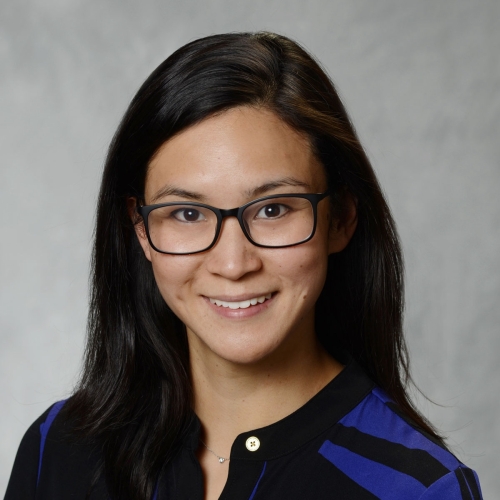
Tammy Chang, MD, MPH, MS
Associate Professor
Featured News & Stories

Processed foods may be fueling the rise in binge eating
Giving with gratitude: planned gifts support nursing, research, and patient care

Teens need private time with doctors, but many aren’t getting it

Alum reconnects to his roots through Doctors of Tomorrow scholarship fund
Gift to Michigan Medicine will boost women’s health