A second chance at life
How a liver disease awareness campaign restores hope and transforms care
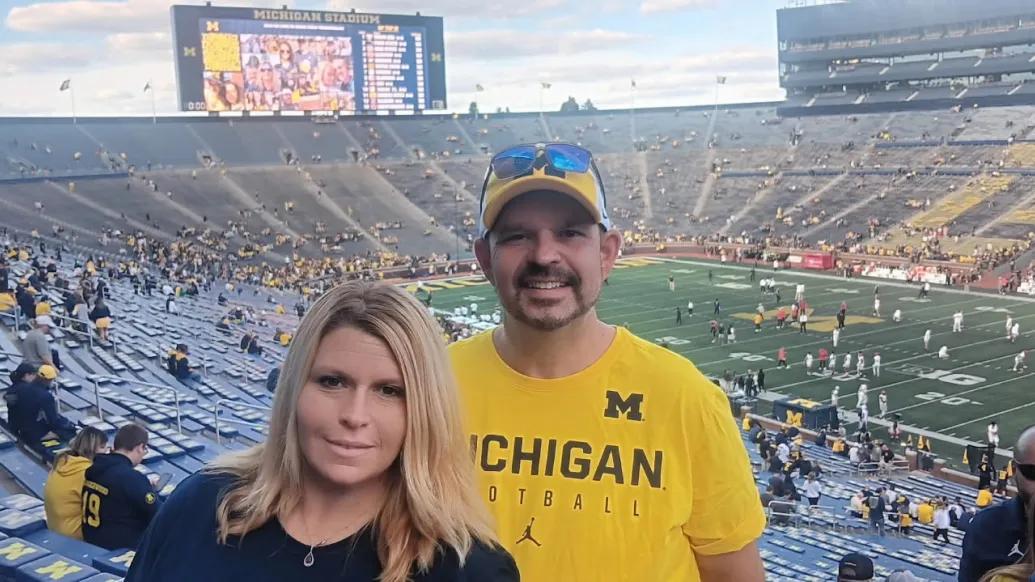
“The doctors were straightforward about why my liver was in the condition it was,” says Jennifer Strohpaul. “It was made clear that they could treat me, but I would have to be honest with them, myself, and those around me.”
For months, Jennifer suffered from persistent, flu-like symptoms that were increasingly frustrating and disruptive to her daily life. After undergoing numerous tests and doctor visits elsewhere, she was referred to University of Michigan Health for comprehensive evaluations. She finally received a diagnosis: alcohol-related liver cirrhosis. Her liver was failing.
Knowing she needed a fresh start, Jennifer began working with the U-M Health Alcohol-Related Liver Disease Clinic, or ALD Clinic, in Ann Arbor to take the first steps toward permanently quitting alcohol consumption. Although alcohol cessation can sometimes restore liver function, it wasn’t enough for Jennifer, and she was put on the organ transplant waitlist. She was fortunate to receive a successful transplant at U-M Health.
Today, Jennifer is thriving and paying her gift forward by pursuing a Master of Social Work to support others facing challenging diagnoses.
“After the transplant, it hit me harder that someone had just given me another chance at life,” she says. “To this day, it’s hard to find the right words to express how grateful I am for that.”
Restoring what liver disease takes away
Chronic liver disease impacts nearly 40 million Americans. For many, the condition eventually progresses to cirrhosis or liver cancer. While doctors measure liver disease through lab values, for patients and families, it is defined by what is taken away — the ability to sleep, work, think clearly, or be fully present with the people they love.
For a patient, a liver disease diagnosis can mean managing symptoms, frequent medical visits, and life-threatening complications. For their loved ones, it means watching anxiety build as relief and effective cures often remain out of reach.
Families turn to Michigan Medicine in search of hope and answers. As one of the largest and most comprehensive liver programs in the world, Michigan Hepatology’s 18 world-renowned liver specialists face liver disease head-on. U-M physicians and researchers are pushing the boundaries of medicine by pioneering noninvasive therapies, discovering genetic markers, and delivering whole-person care. But making these breakthroughs and shifting discoveries rapidly from the laboratory to patient bedsides, depend heavily on philanthropic funding.
During Liver Disease Awareness Month in October, Michigan Medicine invites community members to join in restoring hope for those facing liver conditions.
Double your impact this October
This October, everyone can help make a difference for patients and families facing liver disease.
During Liver Disease Awareness Month, a generous donor has provided a matching gift that doubles donations to Michigan Medicine Hepatology, up to $500. Every contribution fills vital funding gaps, accelerates progress, and brings answers to the people who need them now.
Visit Michigan Medicine’s Liver Disease Awareness Month webpage to learn more and make a gift.
Philanthropy News
Discover how donors at Michigan Medicine drive advances in patient care, research, and education. See how philanthropy brings Michigan answers to patients and families.
Featured News & Stories
Continuing the legacy of a doctor’s doctor
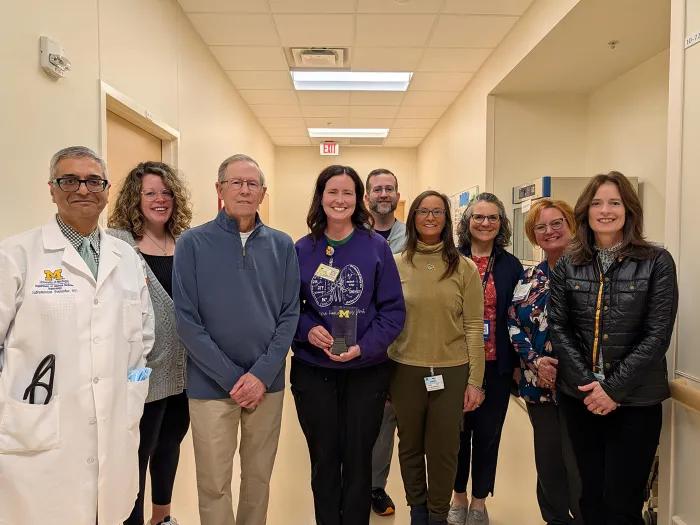
Family’s gift honors wife and mother, supports nephrology nurses

A pediatric epilepsy fundraiser that changes lives

Exceptional response to immunotherapy gives patient with liver cancer more milestones to celebrate
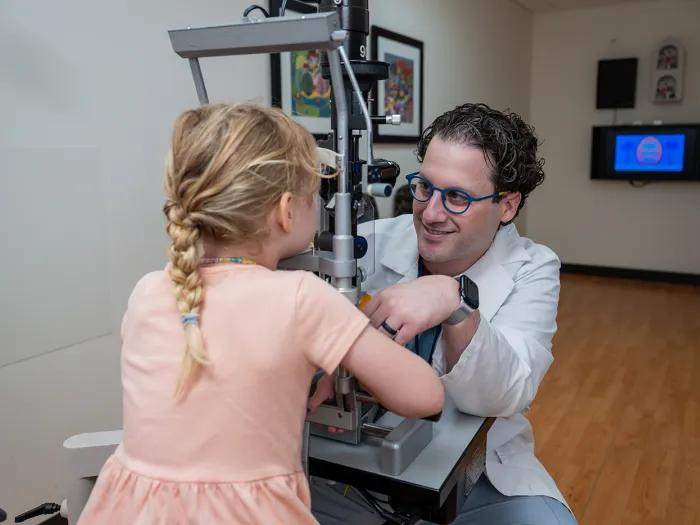
Innovative children’s vision research gets a boost from the Knights Templar Eye Foundation