March Hoops to BEAT Blindness marks 20 years of community support for vision research
Author |
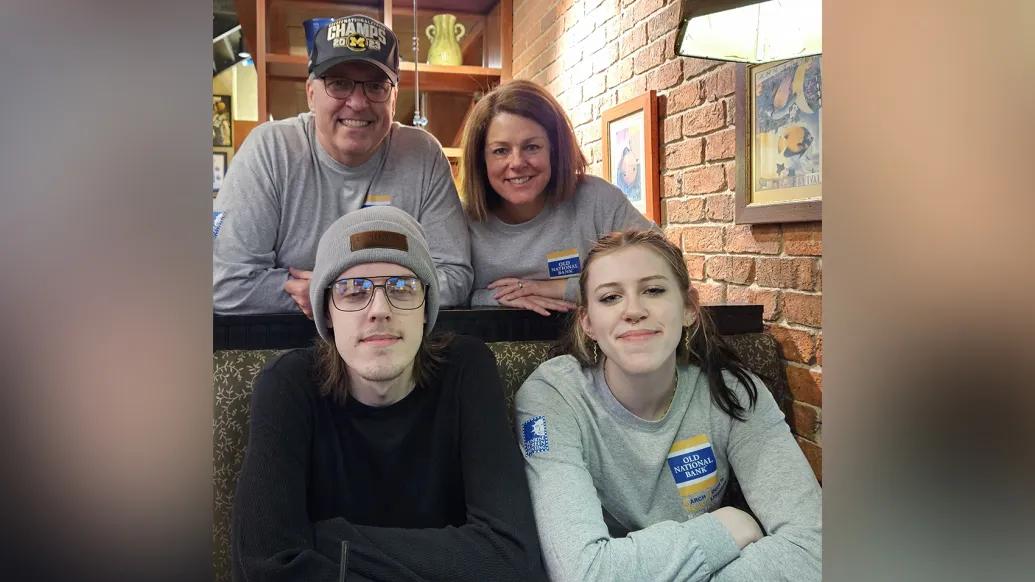
Myron Hepner’s relationship with the University of Michigan Health W.K. Kellogg Eye Center began over twenty years ago when his son, Brendan, was diagnosed with retinoblastoma at just nine months old.
“As a new parent, I’d never even heard of it — this dangerous, aggressive eye cancer,” says Hepner. “We were devastated, but the doctors at Kellogg helped us understand our options and got us through the fear.”
The family made the difficult decision to have Brendan’s eye removed, and he is now 23 years old and healthy. He is a lifelong patient at Kellogg, receiving ongoing care to ensure his remaining eye is safe and healthy.
Finding a way to give back
While Brendan was still a toddler, Myron began to wonder how he could show his appreciation to the care teams and scientists at Kellogg.
“The care and support meant the world to us,” says Hepner. “I feel deep gratitude and appreciation for Kellogg and wanted to give back and maybe even help support research Brendan might need one day for his remaining eye.”
Myron and some of his friends shared a tradition of watching the NCAA tournament together, and he wondered if this could be turned into a fundraiser for Kellogg.
“We would always take off work the first two days of the NCAA tournament and sit at a restaurant or sports bar and watch all the games,” he says. “One year I approached Kellogg and asked if raising even a couple hundred dollars for research would be helpful. The answer was a resounding yes.”
Taking inspiration from marathons and similar endurance fundraisers, Myron and his friends asked the community to sponsor them as they watched every single game. The response for the first fundraiser was much bigger than Myron anticipated. The event received radio and newspaper coverage and ended up raising over $6,000 in donations. Now known as March Hoops to BEAT Blindness, it continues to resonate with community members.
“Every year since, so many people have told me they’re also Kellogg patients or their family members are, and they’ve experienced the same deeply caring support,” he says. “The event has really struck a chord.”
Funds raised by March Hoops to BEAT Blindness typically support research at Kellogg, helping teams study eye conditions and develop advanced treatments. Importantly, funds raised often support early project stages that go on to attract grant funding — an example of how donor funds have a major impact on innovation at Kellogg and across Michigan Medicine.
The one year the event didn’t support research, funds raised went towards a play structure in the Kellogg Eye Center’s pediatric clinic.
“Having a play area for children who are visiting the clinic is a big deal,” says Myron. “As a parent, you know what it’s like when you’re waiting for your child’s eyes to dilate and you’re stuck in the waiting room with a wound-up child.”
Shae Maier, assistant director of development for the Kellogg Eye Center, has worked with Hepner over the past year to prepare for the next event.
“It’s incredibly exciting to work alongside passionate volunteers like Myron who care so deeply about advancing vision research,” Maier says. “Their commitment and generosity make a real difference, helping bring critical funding to the researchers at Kellogg who are working every day to improve and restore sight.”
Creating memories and building community
One of Myron’s favorite things about March Hoops to BEAT Blindness is meeting people who have been touched by or are involved with the work done at Kellogg.
“My best memories involve hearing from other patients and their families,” he says. “People who I’d never met come to MHBB after hearing about the event from their doctor or finding a pamphlet. We’ve even had folks come from out of state. It’s also amazing to meet the doctors and researchers whose funding we support and to see real results. Dr. Rao reached out recently to share how our funding helped his grant, and Dr. Gardner’s team purchased important equipment because of our fundraising.”
“It has truly been an honor to work alongside Myron on March Hoops to BEAT Blindness since 2009,” says Lindsay Baden, director of development for Kellogg. “We are incredibly grateful for his unwavering commitment to Kellogg and his dedication to advancing the work our faculty are doing here. Myron’s passion and energy have inspired an entire community, and his efforts continue to drive meaningful impact in vision research and patient care.”
Myron hopes that other people who care about a cause consider holding their own community events.
“Do it — don’t let excuses hold you back,” he says. “When I started, my idea was light and pretty weak, but it took hold. People will surprise you with their enthusiasm and support. You have no idea what you’re about to tap into.”
If you are interested in supporting vision research at University of Michigan Health, please visit the W.K. Kellogg Eye Center giving page. Your support transforms lives.
About the Look to Michigan campaign
Philanthropy News
Discover how donors at Michigan Medicine drive advances in patient care, research, and education. See how philanthropy brings Michigan answers to patients and families.
In This Story
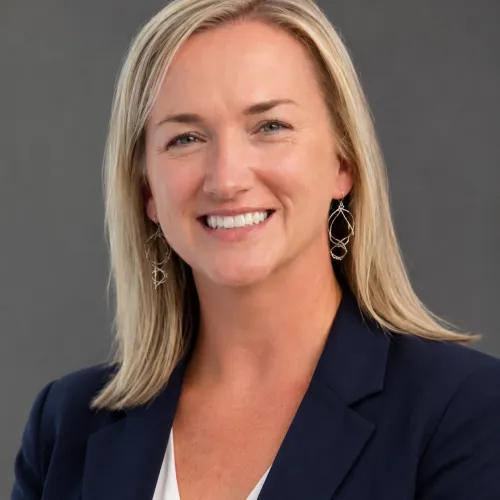
Lindsay Baden
Director of Development
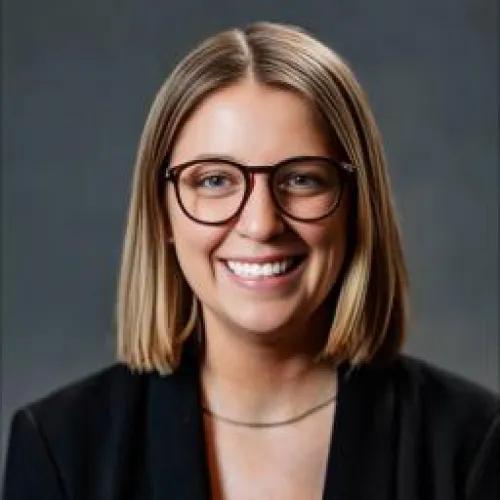
Shae Maier
Assistant Director of Development
Featured News & Stories
Nerf gun accident causes retinal detachment in pediatric patient
Kellogg care inspires gift to vision research

Mediterranean diet can slow progression of age-related macular degeneration
Rare cancer diagnosis inspires community of support

Foundation gift inspires additional gifts to strengthen youth mental health care