Entrepreneur bridges gaps in integrative oncology
Combining personal experience with a passion for integrative health practices, Mary Vandewiele helps bring innovative treatment options to people who have cancer.
Author |
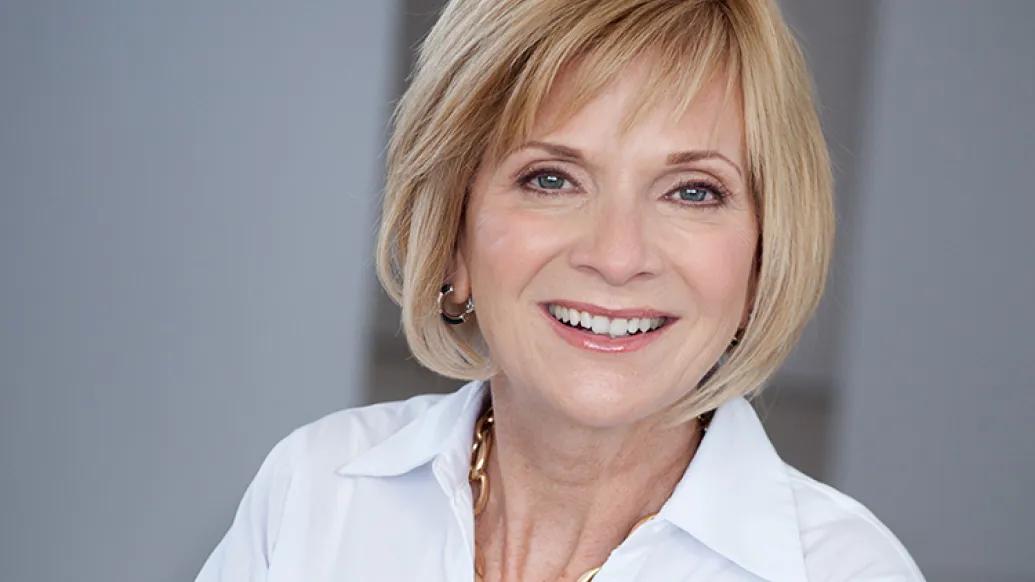
As co-owner of The Better Health Store, a Michigan-based natural food store chain, Mary Vandewiele has spent over 25 years immersed in the knowledge and experience of nutrition, vitamins, and supplements.
These areas of expertise, as well as acupuncture, massage, yoga, and aromatherapy, are examples of commonly-used integrative health practices.
Vandewiele’s professional expertise connected with her health care during two bouts of breast cancer when she experienced different provider approaches to treatment.
When Vandewiele was initially diagnosed with breast cancer, the first doctor she met was unfamiliar with integrative oncology, an approach that combines standard cancer care with evidence-based approaches like massage, acupuncture, dietary supplements, and meditation.
A second doctor, whom Vandewiele ultimately chose as her provider, was also unfamiliar with integrative oncology but was willing to work with her to learn more and create a plan together.
Though Vandewiele was eager to learn how integrative treatments could interact with chemotherapy and radiation, she found there was little reliable information.
“I went through chemotherapy and radiation but also leaned on my own knowledge and my oncologist’s research to identify natural supplements and food to support myself during that physically and emotionally challenging time,” she says.
After completing treatment, Vandewiele continued to learn how integrative health practices could help her build immunity and regain energy. She began to work with an integrative medicine doctor at University of Michigan Health Briarwood Family Medicine.
When Vandewiele was diagnosed with breast cancer a second time, she already had established doctors in integrative oncology who were willing to work with her.
Her naturopathic doctors worked closely with her. “They gave me an arsenal of post-surgery treatments to take for healing,” Vandewiele says. “It was a different experience.”
The integrative approach helped Vandewiele address side effects of radiation and chemotherapy, including fatigue and neuropathy, and helped with anxiety related to her diagnosis. She also relied on knowledge of which supplements could work with or against chemotherapy drugs.
Vandewiele attributes her successful treatment to the integrated approach and the options she had to personalize her care.
Meaningful connection leads to lasting impact
A longtime supporter of the University of Michigan Health Integrative Family Medicine Program, Vandewiele has known Amy St. Amour, associate director of development for Family Medicine, for many years.
In December 2024, the two connected at a scholarship luncheon. St. Amour shared that Suzanna Zick, N.D., MPH, professor and co-director of Integrative Family Medicine, had received a grant from the Scheidel Foundation to support integrative oncology, but the funding was dependent on the program raising additional matching funds.
Vandewiele immediately offered to help meet the match.
The grant and matching funds will provide crucial support to the Integrative Oncology Scholars Program in the Department of Family Medicine.
The purpose of the Integrative Oncology Scholars Program is to build the pipeline of expert integrative oncologists. “Integrative oncology programs are currently rare,” says Dr. Zick, “and the ones that do exist often suffer from not being able to hire well-trained staff.”
The program helps bridge these gaps by supporting recruitment and training for new integrative oncologists and building a strong foundation for fellowships, research, and shared expertise with other institutions.
It also helps today’s providers of standard oncology care learn how to incorporate integrative oncology into their practices so patients benefit from expanded treatment options.
Vandewiele’s gift will help meet a significant need in provider training. “Currently, we don’t have educational materials to teach oncology providers,” says Dr. Zick. “This gift allows us to create innovative learning materials, including modules about antioxidants and acupuncture, to teach evidence-based integrative oncology to physicians, nurses, and other oncology providers.”
Looking forward to new possibilities
Vandewiele is hopeful for the future of integrative oncology and the benefits it will bring to patients. “There are so many more possibilities for patients to learn effective ways to care for themselves when they are able to access support like this,” she says. “When you feel better and you are motivated to know what to do to feel better, you live an improved quality of life. It should be there for the asking.”
Vandewiele emphasizes the positive difference people can make in their own lives and for the health and well-being of others when they commit themselves to an impactful cause. “If you’re passionate about something, you need to take the next step or that passion dies,” she says. “Put it out there.”
If you would like to help us meet our funding match or support the integrative medicine program in the future, please make a gift online or mail your gift to Amy St Amour, Michigan Medicine Office of Development, 777 E. Eisenhower Pkwy., Suite 650, Ann Arbor, MI 48108. Include the code “357016” in the check memo section. Thank you for your support!
About the Look to Michigan campaign
This gift is part of the Look to Michigan fundraising campaign, which aims to create transformative answers to health care’s biggest challenges for the benefit of people in our state and beyond. Building on 175 years of leadership in medicine and as part of the University of Michigan’s Vision 2034 strategic framework for impact, we are breaking new ground in patient care, research, medical and graduate education, health equity, and health care facilities. Together, we can improve and save lives. For more information, visit michiganmedicine.org/look-to-michigan.
Philanthropy News
Discover how donors at Michigan Medicine drive advances in patient care, research, and education. See how philanthropy brings Michigan answers to patients and families.
In This Story
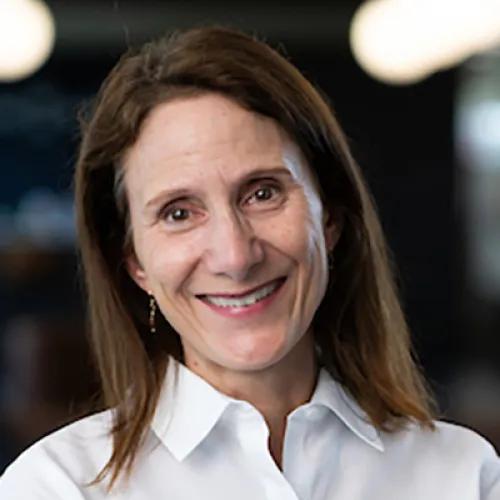
Amy St. Amour
Associate Director of Development
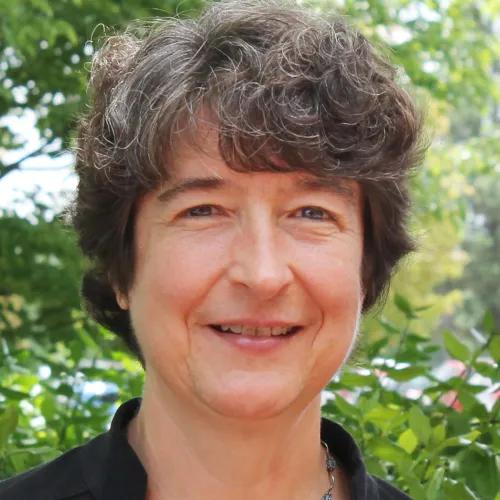
Suzie M Zick
Research Professor
Featured News & Stories
Family’s gift honors wife and mother, supports nephrology nurses
Comprehensive DNA sequencing reveals hidden drivers of cancer
‘Molecular glue’ stabilizes protein that inhibits development of non-small cell lung cancer and uterine cancer
A second chance at life
Exceptional response to immunotherapy gives patient with liver cancer more milestones to celebrate