Benjamin M. Hampstead Named Philip B. and Myrna R. Fischer Research Professor of Neurology

Benjamin Hampstead, Ph.D., ABPP/CN, has been named the Philip B. and Myrna R. Fischer Research Professor of Neurology, which also provides Dr. Hampstead with an appointment as a professor in the University of Michigan Department of Neurology. Dr. Hampstead co-leads the Clinical and Neuroimaging Cores of the National Institute of Aging funded Michigan Alzheimer’s Disease Research Center (Michigan ADRC). He has occupied the Stanley Berent, Ph.D., Collegiate Professor of Psychology in the Department of Psychiatry and is currently a staff psychologist in the Mental Health Service at the VA Ann Arbor Healthcare System. He also directs the Research Program on Cognition and Neuromodulation Based Interventions, which supports faculty and trainees in the Departments of Neurology and Psychiatry.
“I’m humbled and honored to be named the Philip B. and Myrna R. Fischer Research Professor of Neurology. This position highlights the importance of our work to identify novel treatment approaches for those impacted by Alzheimer’s disease and related dementias and immediately strengthens this foundational aspect of the Michigan Alzheimer’s Disease Center,” said Dr. Hampstead.
Dr. Hampstead earned his Ph.D. in clinical neuropsychology from Drexel University in 2006 and completed a pre-doctoral internship and post-doctoral fellowship at Emory University and the Atlanta Veterans Affairs (VA) Medical Center, where he earned numerous VA career development awards. In 2008, he was appointed as an assistant professor at Emory University. He joined U-M as an associate professor in 2014, earned tenure in 2017, and was promoted to professor with tenure in 2020. He has held continuous federal funding since 2006 with over $16 million in grants as principal investigator.
The Philip B. and Myrna R. Fischer Research Professorship was created by a gift from Regent Emerita Andrea Fischer Newman and her sister, Jill Fischer Rachesky, their husbands Frank Newman and Mark Rachesky, and others to honor the memories of their parents. Philip and Myrna Fischer died within days of each other due to complications from Alzheimer’s disease. Andrea said, “I am hopeful that the next five to ten years will bring major discoveries and that those of us here now reading this will not have to watch someone die this way.” She and her sister also established a research fund at U-M to support early-career researchers who are searching for better treatments and potential cures for Alzheimer’s disease and other dementias. “We are hopeful, as we know many others are, that something good will come from all the work being done in this area,” Jill said.
This support will allow Dr. Hampstead and his team to advance two primary research areas. In concert with Dr. Hampstead’s Michigan ADRC leadership roles, the first area seeks to detect and understand the reasons for cognitive decline and emotional changes in older adults across the dementia continuum. The second is to provide answers to newly diagnosed patients who ask, “What can I do about it?” They are evaluating non-medication-based treatments including cognitive rehabilitation and training as well as non-invasive brain stimulation to improve thinking, feeling, and everyday functioning — a growing focus in the field. Using a range of brain scanning techniques, Dr. Hampstead and his team are working to identify treatment targets and note post-treatment changes in the brain to develop new interventions.
Henry Paulson, M.D., director of the Michigan Alzheimer's Disease Center agrees on the great impact of this professorship. “I am thrilled that Dr. Hampstead has been selected as the inaugural Philip B. and Myrna R. Fischer Research Professor of Neurology,” he said. “Ben’s cutting-edge research is one of the pioneering ways our center is tackling the many factors beyond amyloid that contribute to Alzheimer’s disease. The financial support made possible by the Fischer Professorship ensures that Ben and our center will continue to push the envelope in search of better treatments.”
In addition to his prolific research, Dr. Hampstead has published one book, a dozen book chapters, and nearly 100 peer-reviewed manuscripts in impactful journals such as Alzheimer’s & Dementia, Brain, Neuropsychology, and Journal of Alzheimer’s Disease. He has a strong teaching and mentorship record of students at all levels as well as junior faculty. He is especially proud of the high acceptance rate his mentees demonstrate for graduate and medical school and that his faculty mentees are earning competitive funding and establishing their own lines of complementary work. The Fischer Professorship and Dr. Hampstead’s joint appointment will expand his ability to foster robust collaborations with faculty and trainees in the Department of Neurology as well as enhance clinical trial infrastructure in the Michigan ADRC.
If you would like to learn more about supporting Alzheimer's disease research, please visit the Michigan Alzheimer's Disease Center giving page. Thank you for your generosity.
About the Look to Michigan campaign
This gift is part of the Look to Michigan fundraising campaign, which aims to create transformative answers to health care’s biggest challenges for the benefit of people in our state and beyond. Building on 175 years of leadership in medicine and as part of the University of Michigan’s Vision 2034 strategic framework for impact, we are breaking new ground in patient care, research, medical and graduate education, health equity, and health care facilities. Together, we can improve and save lives. For more information, visit michiganmedicine.org/look-to-michigan.
Philanthropy News
Discover how donors at Michigan Medicine drive advances in patient care, research, and education. See how philanthropy brings Michigan answers to patients and families.
In This Story
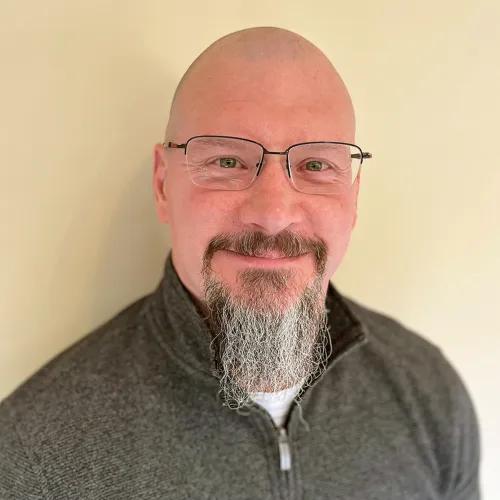
Benjamin Hampstead
Professor

Henry L Paulson, MD PhD
Professor
Featured News & Stories

Michigan’s aging brains need more protection, poll shows
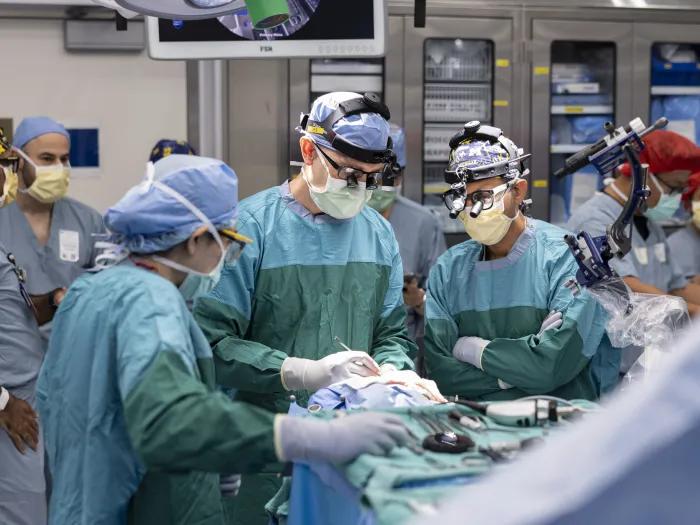
University of Michigan implants first-in-human Paradromics wireless brain-computer interface, designed to restore communication

Gifts advance colon cancer prevention and early detection
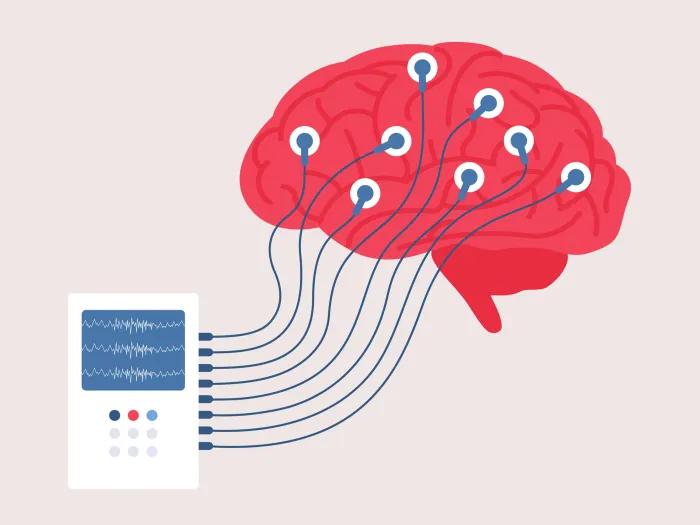
Emergency EEG study suggests need for faster seizure diagnosis and care options

The Race to Uncover the Hidden Causes of Idiopathic Pulmonary Fibrosis