
Courtney Crim (M.D. 1977) first felt a pull toward medicine as a child, watching medical dramas like Ben Casey on TV. Later, his curiosity and talent were nurtured at Cass Technical High School in Detroit, where a specialized chem/bio program helped put him on a path to the University of Michigan. At U-M, Crim majored in chemistry, and early experiences with the Medical School ultimately convinced him to pursue a career as a physician.
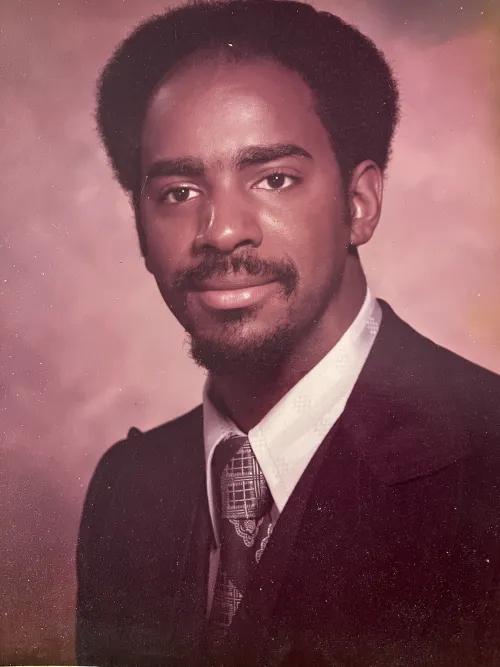
With a deep understanding of the impact these early opportunities had on his life, Crim, now a pulmonologist/critical care medicine specialist at University of North Carolina Health, has come full circle, creating a scholarship fund for undergraduate students who have participated in Doctors of Tomorrow (DOT), a U-M Medical School program serving students at Cass Tech High School and the School at Marygrove in Detroit.
Founded in 2012, DOT guides students to careers in science and medicine through mentorship, skill building, and exposure to scientific and medical careers.
Conversation sparks idea for gift
Crim first heard about DOT when he met Laura Boudette, senior director of development in Michigan Medicine’s Office of Development, several years ago.
“Doctors of Tomorrow came up in the conversation,” Crim says, “and what caught my attention was that it’s a liaison between Cass Technical High School — where I attended high school in Detroit — and the University of Michigan Medical School — where I went to medical school.”
Crim remembers attending a summer immersion week during his undergraduate years that included lectures offered by the Medical School.
“I remember how important those were to me, so when Laura told me about Doctors of Tomorrow, it really piqued my interest and my willingness to support it,” he says.
Crim is also at a point in his life where donating makes financial sense.
“At this stage, since I’m at the age where I have to take required distributions from retirement funds,” he says, “for me it’s about taking that money and donating it to the different things I’m supporting at the university. Qualified charitable distributions were part of what motivated me to move forward with this scholarship fund for Doctors of Tomorrow.”
Philanthropy opens doors to opportunity
DOT began as a program for ninth graders and has expanded over the years.
“Because of donors and philanthropic funding — like Dr. Crim’s support,” Boudette says, “we’ve been able to grow the program from serving ninth graders only to providing support through high school and all the way through the undergraduate years. It’s really a longitudinal program to help prepare students for health professions or medical school.”
The Courtney Crim, M.D. Scholarship will be awarded to a high school senior as they make the pivotal transition into their first year at U-M. It will support a different student each year.
“This will be a big honor for an outstanding senior who is part of Doctors of Tomorrow,” Boudette says.
An inspiring gift for DOT scholars
Crim hopes Doctors of Tomorrow scholars will face challenges with confidence and draw inspiration from the students who came before them.
“I’d tell them that people before you did it, so you can do it, too,” he says. “That’s one of the things that got me through neuroanatomy in medical school. For a brief moment, I thought, ‘How can anyone expect me to learn all this?’ Then I said, ‘People a year ahead of me did it.’ And I thought, ‘If they were able to do it, then I know I can do it.
“So don’t second-guess yourself. The fact that you made it this far means you have the capability to go further. Don’t be dissuaded by how challenging it feels — high school, undergrad, medical school. Making it this far means you can keep going.”
Boudette is inspired by how Crim’s experience has come full circle for future generations of scholars.
“Dr. Crim’s story is one of my favorites,” she says, “because it’s rare to see a donor reconnect to their roots in such a direct way. He’s able to reach back to the genesis of his interest in medicine and make a difference for students in his community who share that connection. It’s meaningful, and it’s been a joy to be part of that journey.”
Your generosity makes a difference
If you would like to support the medical professionals of tomorrow, please consider making a gift to the Doctors of Tomorrow fund. Thank you for your support of this important work.
About the Look to Michigan campaign
Philanthropy News
Discover how donors at Michigan Medicine drive advances in patient care, research, and education. See how philanthropy brings Michigan answers to patients and families.
In This Story
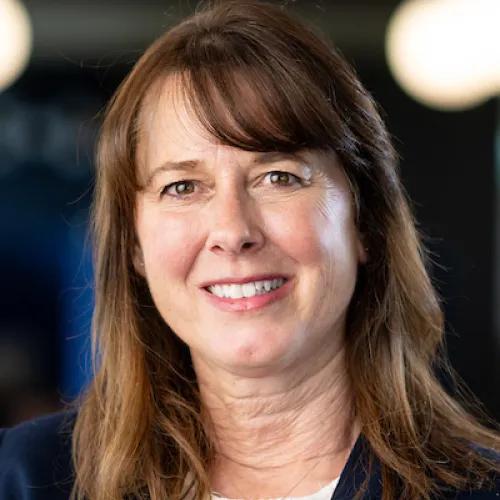
Laura Boudette
Senior Director, Regional Development
Featured News & Stories
Commitment to medical students bridges generations and continents
New heart, three medals and a shot at the world stage
A gift for Michigan’s most vulnerable babies
Playbook helps orthopaedic surgeons protect their most important instruments: themselves

Galens Tag Days celebrates 100 years of helping kids