
University of Michigan Health-Sparrow merger boosts local care quality, job satisfaction, financial performance
Leaders point to distinct factors behind the integration’s success in an era when similar consolidation efforts fall short
10:30 AM
Author |
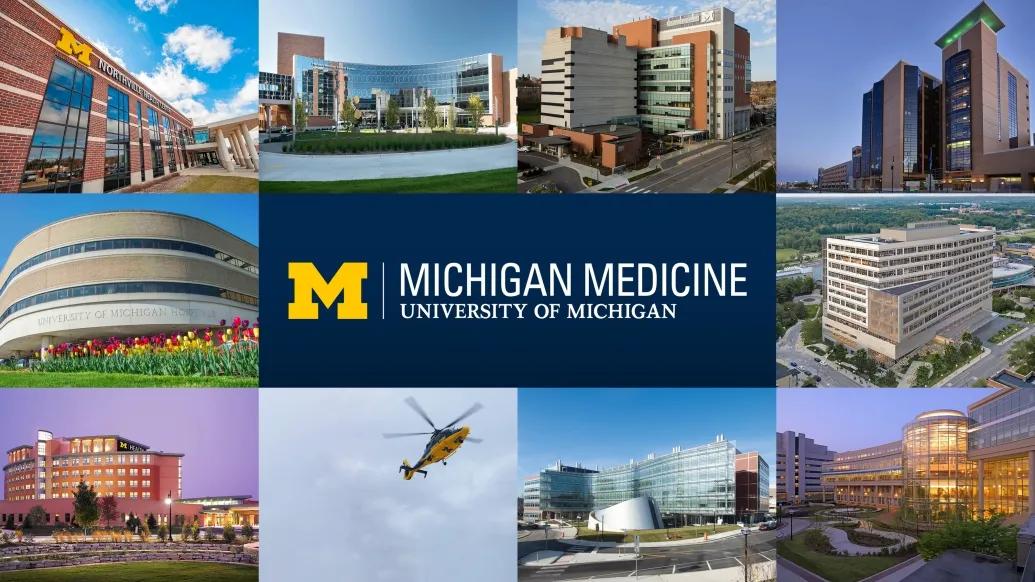
ANN ARBOR – Just three years after a six-hospital group merged with University of Michigan Health, leaders are reporting significant improvements in access, quality of care, operational efficiency and employee job satisfaction.
According to an article in NEJM Catalyst, the prestigious peer-reviewed journal published by the New England Journal of Medicine, the 2023 consolidation that created UM Health-Sparrow produced positive outcomes many similar system integrations promise but fail to deliver.
Ann Arbor-based Michigan Medicine acquired Lansing-based Sparrow Health System in April 2023, creating an 11-hospital enterprise across the state of Michigan. Contrary to objective evaluations of other health system consolidations, Michigan Medicine’s academic medical center in Ann Arbor, in partnership with UM Health-Sparrow and UM Health-West in Grand Rapids, MI has been able to achieve clinical integration and financial performance goals other mergers have not.
Data on the impact hospital mergers have on care quality, patient experience and cost are mixed and often negative. Studies from groups like RAND have reported seeing no change or a decline in quality of care after consolidation. That study also noted insufficient evidence exists on how consolidation impacts patient access.
“There are specific benefits to patients and communities that should follow health system integrations, but there is no guarantee they will be achieved,” said David C. Miller, M.D., M.P.H., CEO of Michigan Medicine and Executive Vice President for Medical Affairs for the University of Michigan. “In this case, we set out to beat the odds and to achieve meaningful clinical and cultural integration that would improve access and quality for local communities.”
At the outset of the partnership, leaders from both organizations committed to creating a coordinated, integrated statewide system of care that would expand and improve health services closer to home for patients, said Miller, who is senior author of the Catalyst paper and a health care value researcher.
“The results detailed in this NEJM article show we are making significant progress, and we are well-positioned for additional opportunities and challenges in front of us,” Miller said.
Scott Flanders, M.D., Chief Clinical Strategy Officer for Michigan Medicine, also a health care evaluation and quality improvement researcher, is the paper’s lead author. Margaret Dimond, Ph.D., President of the U-M Health regional system, which includes both UM Health-Sparrow and UM Health-West, is a co-author.
The authors document multiple improvements that occurred as the integration process progressed. Some examples:
- A new neurosurgical program at UM Health-Sparrow Provided greater access to high-quality patient-centered care closer to home, eliminating long travel for high-acuity patients. Quality scores in the Michigan Spine Surgery Improvement Collaborative rose to 91 percent in 2024, up from 63 percent in 2022.
- Registered nurse turnover at UM Health-Sparrow decreased to 7.7 percent in 2024, down from 17.4 percent in 2022.
- Eighteen months after supply chain integration, UM Health-Sparrow achieved more than $23 million in savings from new sourcing strategies and aligned system vendor contracts without significant reductions in employees.
- UM Health-Sparrow employee workplace satisfaction rose from just over 3.5 on a scale of 1 to 5 In 2002 to nearly 3.9 in 2024.
Among the guiding principles for this work were optimizing care at the local level and bending the unsustainable health care cost curve in Michigan.
“We set out with a commitment to combine our organizations to create value for the patients and communities we serve,” Dimond said. “Within a year of integration, UM Health-Sparrow recovered from a $158 million loss that threatened to reduce care to its communities, to posting $28 million in revenue while significantly improving clinical care and local access to the specialized expertise of U-M Health.”
“After clinical integration, a patient with a complex cervical spinal deformity requiring multiple operations was able to have surgery performed at UM Health-Sparrow, when they previously had to be transferred to the academic medical center in Ann Arbor, 65 miles away, for procedures,” Dimond said.
Flanders said the teams were committed to achieving coordinated statewide care and finding opportunities to improve patient experience. Historically, patients from UM Health-Sparrow’s community hospitals who required more complex care had to be transferred to UM Health-Sparrow’s flagship hospital E.W. Sparrow Hospital, about 50 miles away in Lansing. That facility struggled with long-standing challenges to accept these transfer patients. Following the integration, UM Health-West’s hospital near Grand Rapids created a new option as part of the same regional network.
“Our teams revised our processes to direct these patients to UM Health-West where we have additional capacity and can deliver high complexity care with fewer delays than at the Lansing facility,” Flanders said.
Miller stresses it is still early in the integration journey. Future benefits will be realized when the hospitals adopt a single electronic health record and Michigan Medicine extends its considerable research and educational capabilities across the system.
“Our progress demonstrates that carefully planned and executed integration efforts can yield meaningful improvements in patient care, greater operational efficiency with stronger financial performance and progressive cultural alignment,” Miller said.
“We are well-positioned to build a highly coordinated statewide system of care that supports the right care, in the right place, at the right time for more patients and communities across the state of Michigan.”
About Michigan Medicine: At Michigan Medicine, we advance health to serve Michigan and the world. We pursue excellence every day in our 12 hospitals and hundreds of clinics statewide, as well as educate the next generation of physicians, health professionals and scientists in our U-M Medical School.
Michigan Medicine includes the U-M Medical School and University of Michigan Health, which includes the C.S. Mott Children’s Hospital, Von Voigtlander Women’s Hospital, University Hospital, the Frankel Cardiovascular Center, Kellogg Eye Center, University of Michigan Health-West, University of Michigan-Sparrow and the Rogel Cancer Center. The U-M Medical School is one of the nation’s biomedical research powerhouses, with total research funding of more than $800 million.
More information is available at www.michiganmedicine.org.
###
Media Contact

Public Relations
Department of Communication at Michigan Medicine
In This Story
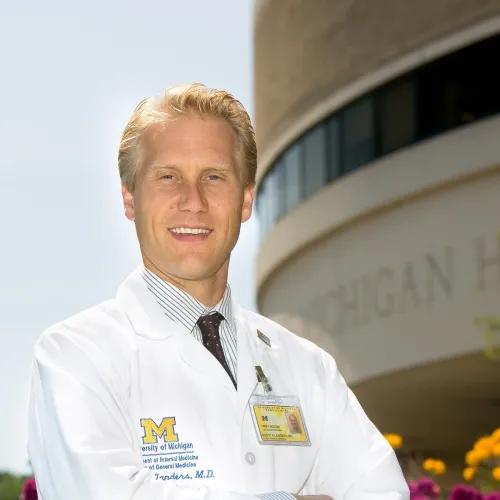
Scott Flanders
CHIEF CLIN STRAT OFF UMMG

David C. Miller, MD, MPH
CEO, Michigan Medicine
Executive Vice President for Medical Affairs, University of Michigan
President, University of Michigan Health
Professor of Urology
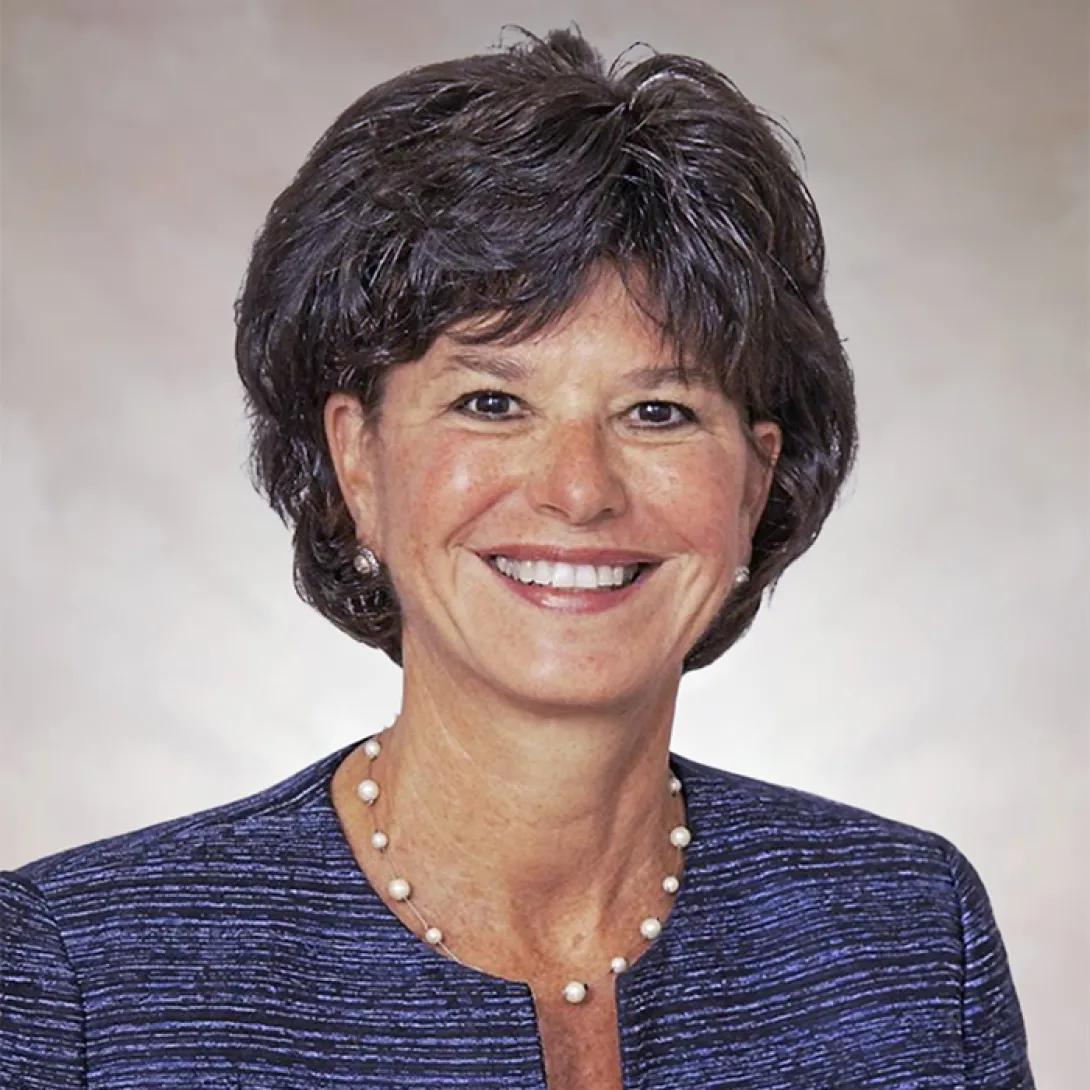
Margaret Dimond, PhD
President, U-M Health Regional System
Related
University of Michigan Health, Sparrow officially join together to deliver world-class healthcare
Featured News & Stories
University of Michigan Health Liver Transplant Program Earns Top Five National Ranking for Transplant Access

University of Michigan Health named Michigan’s top hospital, earns spot on U.S. News honor roll
University of Michigan Professional Nurse Council ratifies contract with University of Michigan Health
David Miller to lead Vanderbilt Health after distinguished service at Michigan Medicine
University of Michigan Professional Nurse Council reaches tentative agreement with University of Michigan Health
