U-M Board of Regents approves new behavioral health, ambulatory surgery centers at UM Health-Sparrow
ANN ARBOR, Mich. – The University of Michigan Board of Regents today approved two projects that will improve access to much-needed mental health resources and create a lower-cost setting for certain surgical procedures in mid-Michigan.
UM Health-Sparrow is building a behavioral health hospital and an ambulatory surgery center in Lansing. The investments reflect University of Michigan Health’s commitment to improve access to care for everyone, including the most vulnerable. Groundbreakings at UM Health-Sparrow are scheduled this summer, with plans to open each facility in 2028.
“We are grateful for the Regents’ approval,” said Margaret Dimond, Regional President, U-M Health. “Our communities deserve the level of care that is associated with U-M Health, and both of these projects address unmet needs, including the scarcity of behavioral health services in the region.”
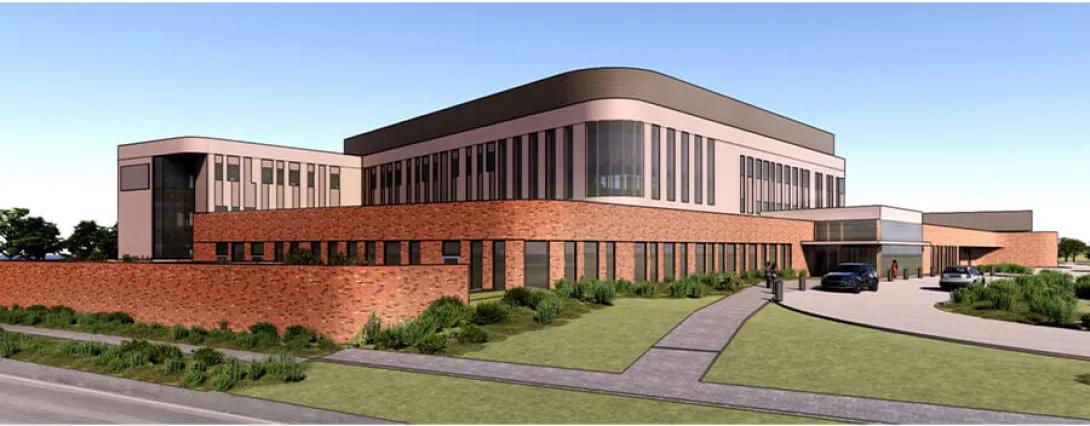
The behavioral health hospital will be located in a park-like setting and feature a contemporary, holistic and healing environment. Building is slated for vacant UM Health-Sparrow-owned property behind the Lansing hospital near Pennsylvania Avenue and Jerome Street.
The 64-bed, $83 million state-of-the-art facility will serve adult, geriatric and -- in a first for the area -- child and adolescent patients. The facility is being designed to highlight the natural environment and ample acreage, with indoor and outdoor gardens, light-filled spaces and modern security and safety enhancements for patients and team members.
The behavioral health crisis touches nearly every family, and experts say care is enhanced when patients can be treated in their own communities. More than one in five adults in the U.S. experienced mental illness in 2024 and more than one in seven youth ages 6-17 have a mental health disorder. Rising youth mental health cases have contributed to thousands of behavioral health patients visiting the UM Health-Sparrow Lansing Emergency Department every year. The increase in behavioral health cases creates a backlog in emergency departments because there are few psychiatric facilities available to accept them.
“For many years, for decades really, there’s been a desert of care, especially in terms of inpatient services for the child/adolescent population. This new hospital will enhance care in the region and add 16 new beds for child/adolescent patients. Right now, most pediatric patients are transferred over an hour away from Lansing,” said Victor Hong, M.D., a Clinical Associate Professor in Psychiatry for Michigan Medicine.
The new facility will enhance research opportunities between Michigan Medicine experts in Ann Arbor and those at UM Health-Sparrow and allow for expanded treatment methods. It will ensure proper care is provided in the right setting, reducing reliance on UM Health-Sparrow Lansing’s Emergency Department.
U-M Health is collaborating with Sheppard Pratt, the nation’s largest private, nonprofit provider of behavioral health/substance abuse services, to manage the new hospital and behavioral health services. Sheppard Pratt is nationally recognized as a leader in quality and clinical excellence in behavioral health.
“We are excited for families and patients and overwhelmingly support UM Health-Sparrow’s plan to build a much-need behavioral health facility in Lansing,” said Sara Lurie, Chief Executive Officer of the Community Mental Health Authority of Clinton, Eaton and Ingham counties. “Having a local hospital and local beds like this is crucial in addressing the mental health crisis that impacts so many of us and puts a strain on health care, law enforcement and so much more.”
The $60-million UM Health-Sparrow Lansing Ambulatory Surgery Center will be located west of the Lansing hospital near Michigan and Pennsylvania avenues. This outpatient facility will feature four operating rooms at the start, with options to expand.
The new surgery center will care for patients currently undergoing procedures at the 100-year-old St. Lawrence campus and will handle some cases currently performed at the Lansing hospital, where operating rooms are nearing capacity.
Cardiac patients in the area will also benefit from a new MRI planned for the facility, which should reduce wait times.
“The approval by the Regents allows us to better respond to the needs of our community and patients and allows room for growth,” said Ann Marie Creed, President of UM Health-Sparrow Lansing.
Added Connie O’Malley, Regional Chief Operating Officer of U-M Health: “This represents an incredible leap forward for us in moving our outpatient surgical services from an aging building to a new building that contributes to a vibrant medical campus in the middle of Lansing.”
Media Contact

Public Relations
Department of Communication at Michigan Medicine
In This Story

Margaret Dimond, PhD
President, U-M Health Regional System

Victor Y Hong
Clinical Associate Professor
Related
University of Michigan Health-Sparrow meeting need for more patient care in rural Ionia

How to help someone, or yourself, in a mental health crisis
Featured News & Stories

Pain, psychological factors and physical function closely linked in people with systemic sclerosis

A tragedy and a trial shine a spotlight on new moms’ mental health

U-M Regents approve Michigan Medicine leadership changes

How to improve mental health safety on social media – not just for young people

What’s the latest on 7-OH and kratom availability and addiction care?