Timothy S. Blackwell, M.D., named the chair of U-M Department of Internal Medicine
Medical School's largest department has more than 900 faculty across 13 divisions
5:00 PM
Authors |
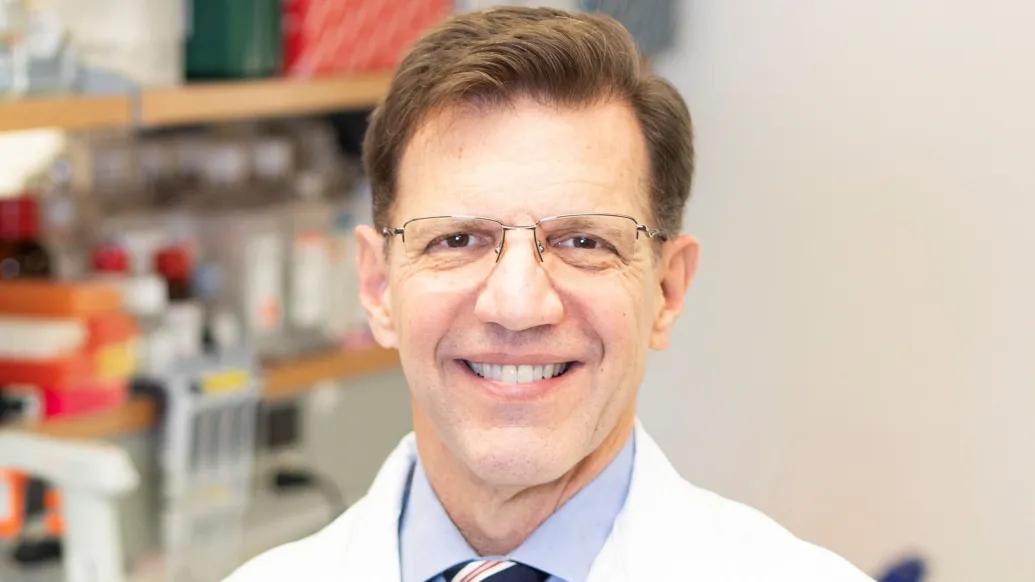
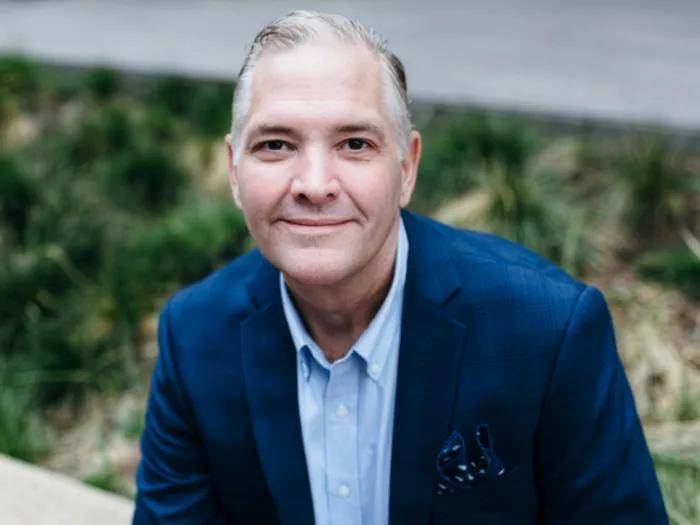
The University of Michigan Board of Regents has approved the appointment of Timothy S. Blackwell, M.D., as chair of the Department of Internal Medicine and the John G. Searle Professor of Internal Medicine in the Medical School, effective March 1, 2024.
Blackwell joins Michigan Medicine from the Department of Medicine at the Vanderbilt University School of Medicine, where he has served as the Rudy W. Jacobson Chair in Pulmonary Medicine and director of the Division of Allergy, Pulmonary and Critical Care Medicine and the Vanderbilt Lung Institute. He was also a professor of medicine, and of cell and developmental biology, as well as an honored teacher and mentor, and clinically active at the Nashville VA Medical Center.
The Department of Internal Medicine is one of U-M’s largest, with more than 900 faculty organized into 13 divisions. Faculty physicians provide outpatient and inpatient care at many University of Michigan Health locations, including primary, specialty and subspecialty care. More than 330 residents and clinical fellows train alongside them, all supported by more than 1,000 staff.
The department’s research spans a broad range of basic, translational, clinical and health services/outcomes topics. The department is home to more than 1,270 projects fueled by more than $177 million in external funding, leading to more than 4,200 papers published each year. The department's 2023 Annual Report is available here.
More about Timothy Blackwell, M.D.
Blackwell received his undergraduate degree in molecular biology from Vanderbilt University and his M.D. from the University of Alabama at Birmingham. He trained in internal medicine at Washington University in St. Louis and completed a pulmonary and critical care fellowship at Vanderbilt.
Blackwell’s laboratory investigates the pathobiology of a variety of lung diseases, including interstitial lung diseases, chronic obstructive pulmonary disease (COPD), acute lung injury, and lung cancer using basic and translational science approaches. He has authored nearly 300 peer-reviewed papers and four book chapters.
He is a fellow of the American Association for the Advancement of Science, and has received numerous awards, including the Scientific Achievement Award from the American Thoracic Society, and the Excellence in Mentoring Award, Edge for Scholars, from the Vanderbilt Medical Center. He chaired the Lung Injury, Repair and Remodeling Study Section at the National Heart, Lung, and Blood Institute, and currently is a member of the Board of External Experts.
Blackwell succeeds Raymond Yung, MB, ChB, who served as interim chair since December 2022. Yung is the Jeffrey B. Halter MD Collegiate Professor of Geriatric Medicine, chief of the Division of Geriatric and Palliative Medicine, and director of the Geriatrics Center and Institute of Gerontology.
Media Contact

Public Relations
Department of Communication at Michigan Medicine
Featured News & Stories
Beyond the White Coat: The Med Student Tradition Behind Michigan’s Smoker
U-M Regents approve Michigan Medicine leadership changes
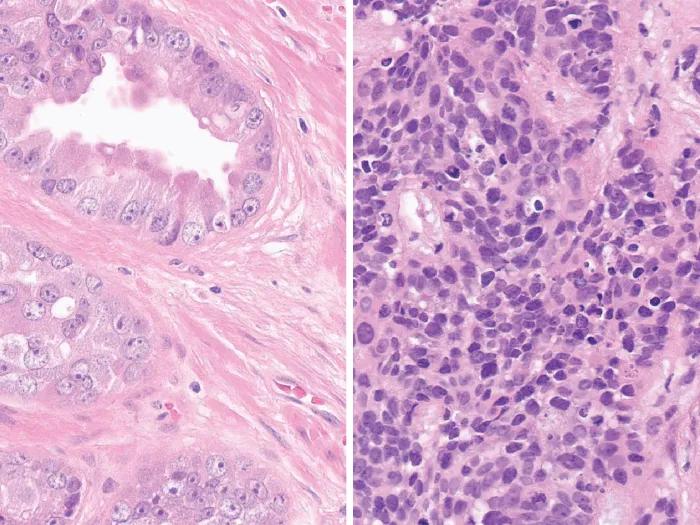
New drug combination may help treat advanced prostate cancer
College of Pharmacy alum advances U-M Medical School addiction research
Rethinking how clinicians learn to feel disease