
ANN ARBOR, Michigan – The University of Michigan Rogel Cancer Center has named Samuel Kaffenberger, MD, as deputy director for cancer clinical services, a role that complements his current position as senior medical director for cancer services at Michigan Medicine. Kaffenberger was also named medical director of clinical operations for the cancer center.
The combined roles will help ensure greater alignment and integration of clinical operations with research, training and patient care.
Kaffenberger is clinical associate professor of urology at Michigan Medicine. A graduate of the University of Pittsburgh School of Medicine, he completed his residency in urologic surgery at Vanderbilt University Medical Center. He then completed a Society of Urologic Oncology-certified fellowship in urologic oncology at Memorial Sloan Kettering Cancer Center, where he was chief fellow.
His clinical and research interests are focused on the surgical care of patients with all urologic malignancies, including cancers of the kidney, testis, prostate and bladder.
Kaffenberger was named associate director for clinical operations at Rogel in 2024. As deputy director and medical director, Kaffenberger will continue to strengthen clinical operations, expand access and enhance clinical research opportunities at the primary Rogel Cancer Center clinics and affiliated sites. He will collaborate with colleagues to support statewide network expansion. Kaffenberger will also serve as a member of the Rogel senior leadership council and executive committee.
“Under Dr. Kaffenberger’s leadership, I am confident the Rogel Cancer Center will identify and pursue emerging opportunities and initiatives as we work together to expand and enhance access to the highest quality cancer care and improve outcomes and quality of life for all cancer patients and survivors in Michigan,” said Eric R. Fearon, MD, PhD, director of the Rogel Cancer Center.
In This Story

Samuel D Kaffenberger, MD, FACS
Clinical Associate Professor
Featured News & Stories
Updated prostate cancer screening guidelines emphasize benefits of early detection

New anti-cancer strategy shows promise in preclinical studies

How have diagnostic and treatment decisions for prostate cancer changed in recent years?
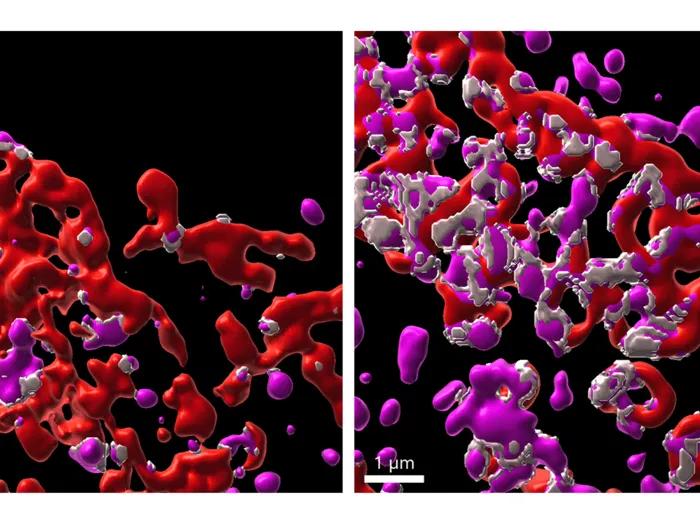
Immune system protein is a cancer killer on its own, new study shows

Online resources and coaching helped people seek genetic testing for cancer