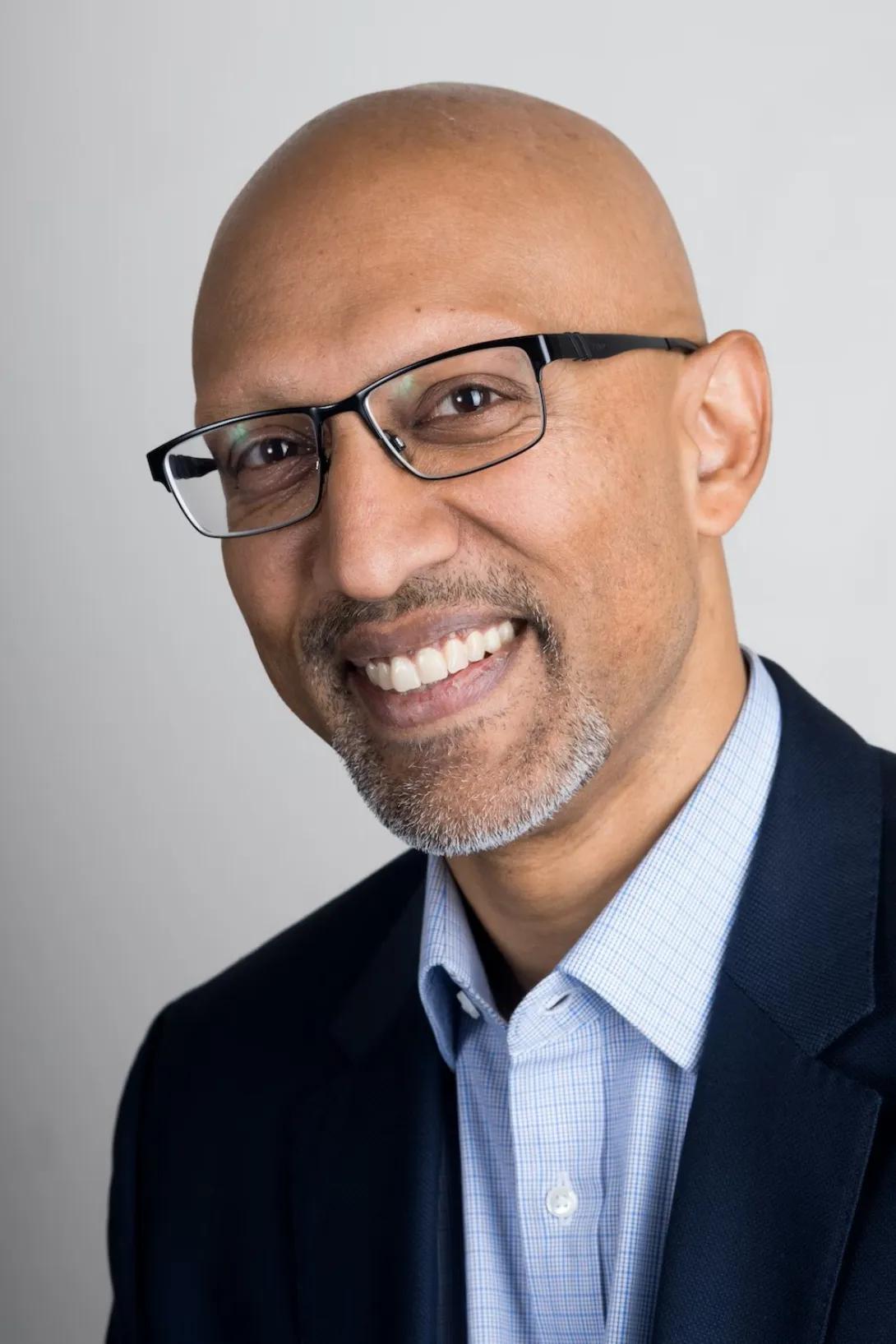
A neuroscientist who began his career at the University of Michigan and made important inroads in understanding the mysteries of sleep has returned to Ann Arbor to lead a fast-growing community of scientists studying the brain, nervous system and mind.
The Board of Regents approved Ravi Allada as executive director of the Michigan Neuroscience Institute at its meeting Sept. 21.
MNI, which seeks to unify and support U-M neuroscientists from across disciplines, schools and colleges, was reimagined in early 2020 as a cross-campus expansion of the former Molecular and Behavioral Neuroscience Institute.
“Returning to Michigan and leading the University’s neuroscience community is a fantastic opportunity,” said Allada. “I am really excited to work with U-M faculty, staff, postdocs, and students to facilitate neuroscience collaboration and catalyze groundbreaking research.”
Allada takes the reins from interim co-directors Shelly Flagel, professor of psychiatry and a research professor in MNI, and Henry Paulson, professor of neurology and a research professor in MNI. They helped build MNI’s membership to more than 150 faculty members and their teams, and helped establish tools and resources that the U-M neuroscience community can share.
MNI’s origins go back to the Medical School’s pioneering role in research on mental health and neurological conditions, starting in the 1890s. That tradition continued with one of the nation’s first programs to study the biological roots of mental illness with modern scientific tools, founded in 1955 as the Mental Health Research Institute.
The institute was led for more than 25 years, including its first year as MNI, by Huda Akil, the Gardner C. Quarton Distinguished University Professor of Neurosciences; the Gardner C. Quarton Collegiate Professor of Neurosciences and research professor in MNI, and professor of psychiatry; and Stanley Watson, the Ralph Waldo Gerard Professor of Neurosciences and a research Professor in MNI, and professor of psychiatry.
Allada, a Midland, Michigan, native who graduated from U-M with both his undergraduate and medical degrees, led Northwestern University’s Department of Neurobiology from 2012 until his arrival at U-M on September 1. In addition to being named the Edward C. Stuntz Distinguished Professor in Neuroscience, he also held faculty appointments in pathology and neurology at Northwestern.
In addition to being executive director title at MNI, the regents approved Allada’s appointment as the Theophile Raphael, M.D., Collegiate Professor of Neurosciences and professor of anesthesiology in the Medical School.
A clinical pathologist by training, Allada became a researcher after an experience during medical school as a Howard Hughes Medical Institute-National Institutes of Health Research Scholar. He continued his neuroscience training after his clinical pathology residency, as an HHMI Physician Postdoctoral Fellow.
Since joining Northwestern in 2000, Allada led a laboratory team that discovered key molecular “gears” of the core circadian clock in Drosophila fruit flies, including a link to neurodegenerative disease, as well as pathways linking the core clock to daily rhythms of sleep and wake. His laboratory also identified molecular processes underlying sleep, including those associated with memory processing.
More recently, the team extended their discoveries in flies to mammals, including the development of diagnostic biomarker signatures for circadian time and examining the effects of jet lag on athletic performance.
MNI’s community of researchers perform a wide range of basic and translational science focused on unraveling the mysteries of the brain and mind. Their research covers a wide range of topics, from the way nerve cells develop, communicate and govern everything from cognition to sleep, to the underpinnings of conditions such as depression, schizophrenia and dementia.
Featured News & Stories

The Power of Mattering
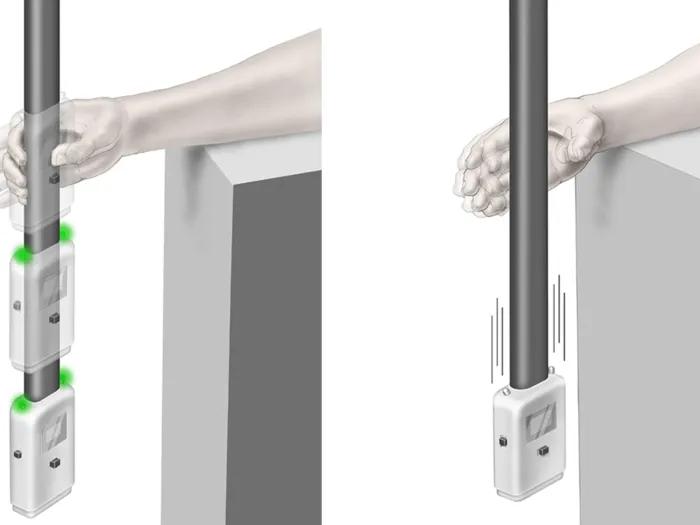
A method to prevent falls before they happen
What is looksmaxxing?

When should parents stop tracking their kids' location?
Emergency EEG study suggests need for faster seizure diagnosis and care options