
Pioneers and pathbreakers: Black History milestones at Michigan Medicine
From the earliest days of the Medical School to the modern day, some of the people and achievements to note
Author |
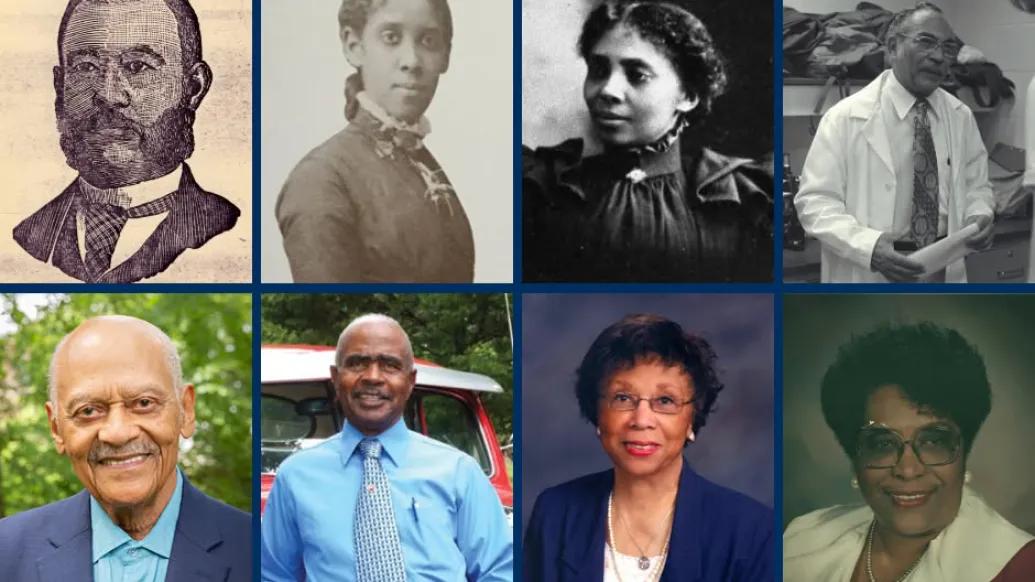
For nearly 100 years after the Civil War, Black Americans who aspired to become doctors had few choices – but the University of Michigan Medical School was one of them. Yet their path was not an easy one, and their numbers were few.
The U-M hospital's nursing school admitted its first Black student in 1924, though at first she was not permitted to live in the new dormitory for nursing students.
As part of the ongoing effort to celebrate and examine Michigan Medicine's history, here are some key milestones involving people of Black heritage who played a role in our institution’s past.
Learn more about the history of what we now call Michigan Medicine on our history site.
1853: U-M’s first student of Black heritage enters the U-M Medical School – but “passes” as white because of his mixed-race background. Samuel Codes Watson went on to graduate from a medical school in Cleveland, and to become a leader in pharmacy and politics in Detroit.
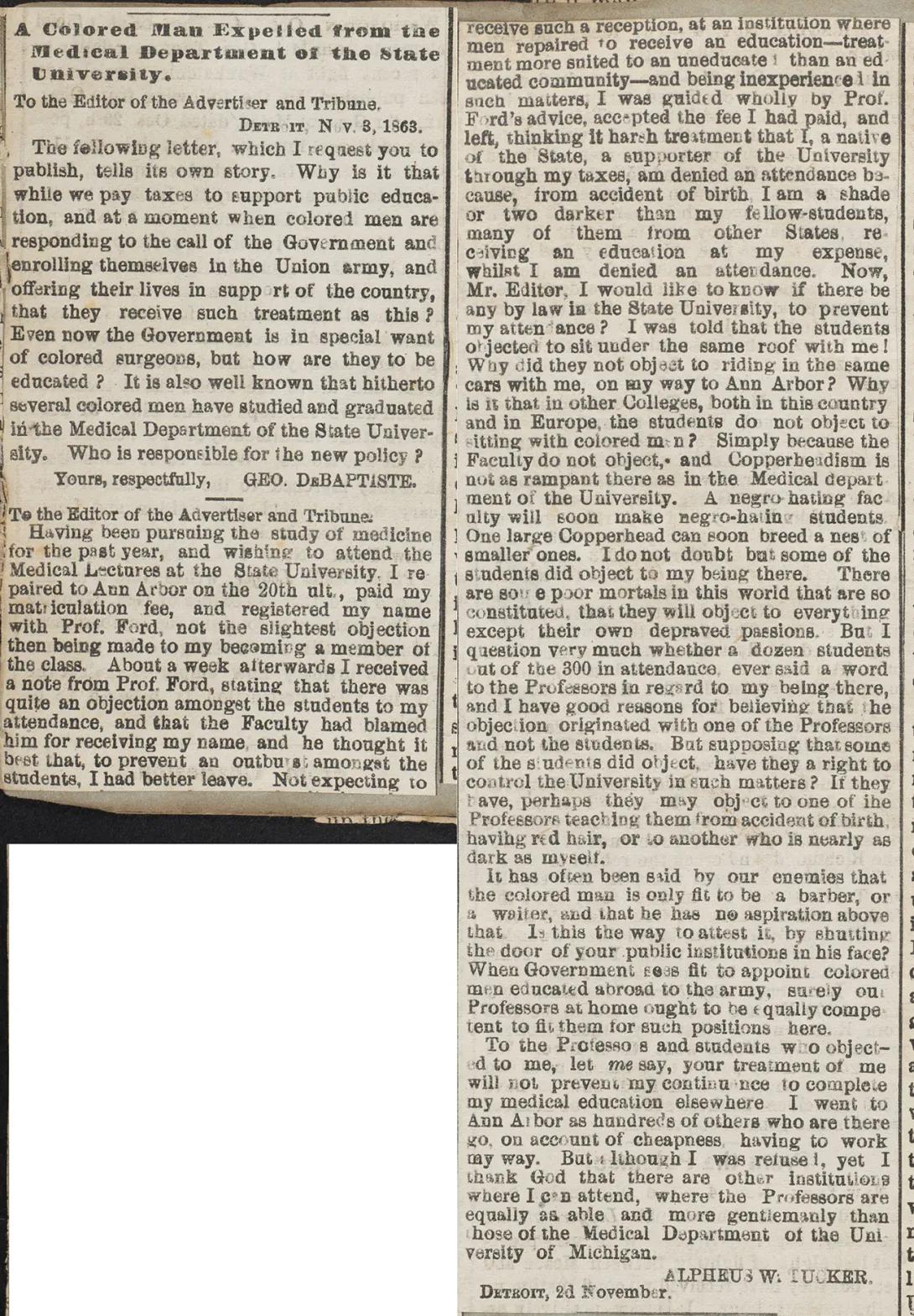
1863: Alpheus Tucker and John Rapier, Jr. enroll in the Medical School as the Civil War rages, and the nation’s leaders call for the medical training of more men of color. Rapier, a mixed-race man from Alabama who enrolls as a Jamaican thanks to his experience working in the Caribbean and Latin America, stays for nearly the entire academic year before leaving for Iowa.
But Tucker endures race-based heckling from fellow students and is literally erased from the list of students soon after arriving. He wrote a letter to a newspaper decrying his treatment (click on the image to see it full size and read it).
Like Rapier, he went on to earn a medical degree from Iowa. Read more in the Clements Library Quarto.
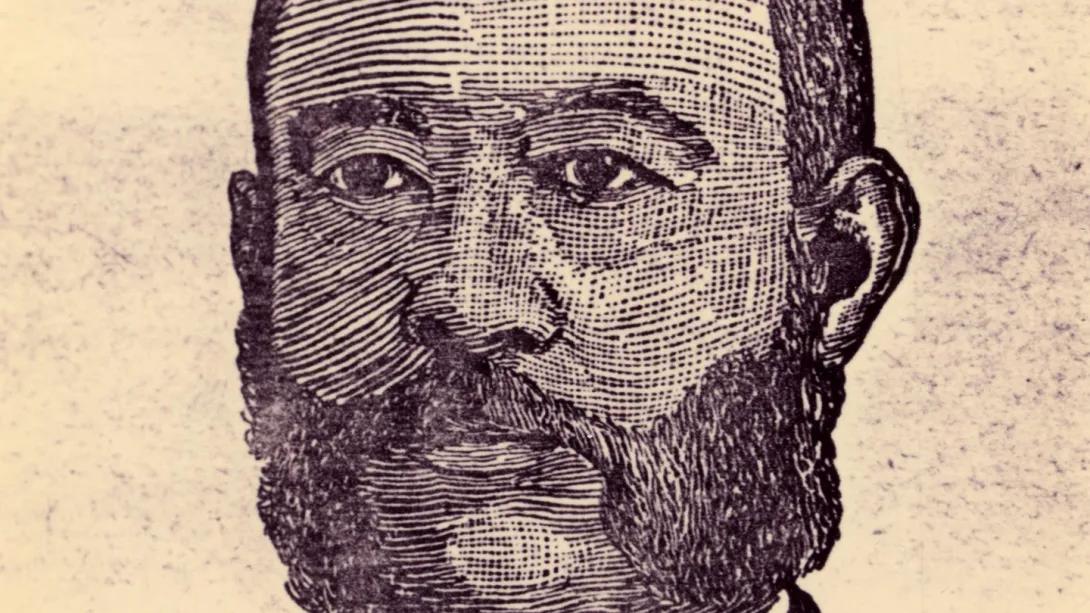
1872: William Henry Fitzbutler, M.D., becomes the first man of African heritage to graduate from the U-M Medical School. Born the son of a slave, he had escaped to Canada with his family via the Underground Railroad. After graduation, he went on to found a medical school and hospital for Black students and patients in Louisville, Kentucky. A professorship in the U-M Department of Internal Medicine is now named for him.
1878: The first Black woman to graduate from any part of U-M is Grace Roberts, M.D., who earned a degree from the homeopathic medical school that had been founded at U-M in 1875. (The school and its hospital closed in 1922.)
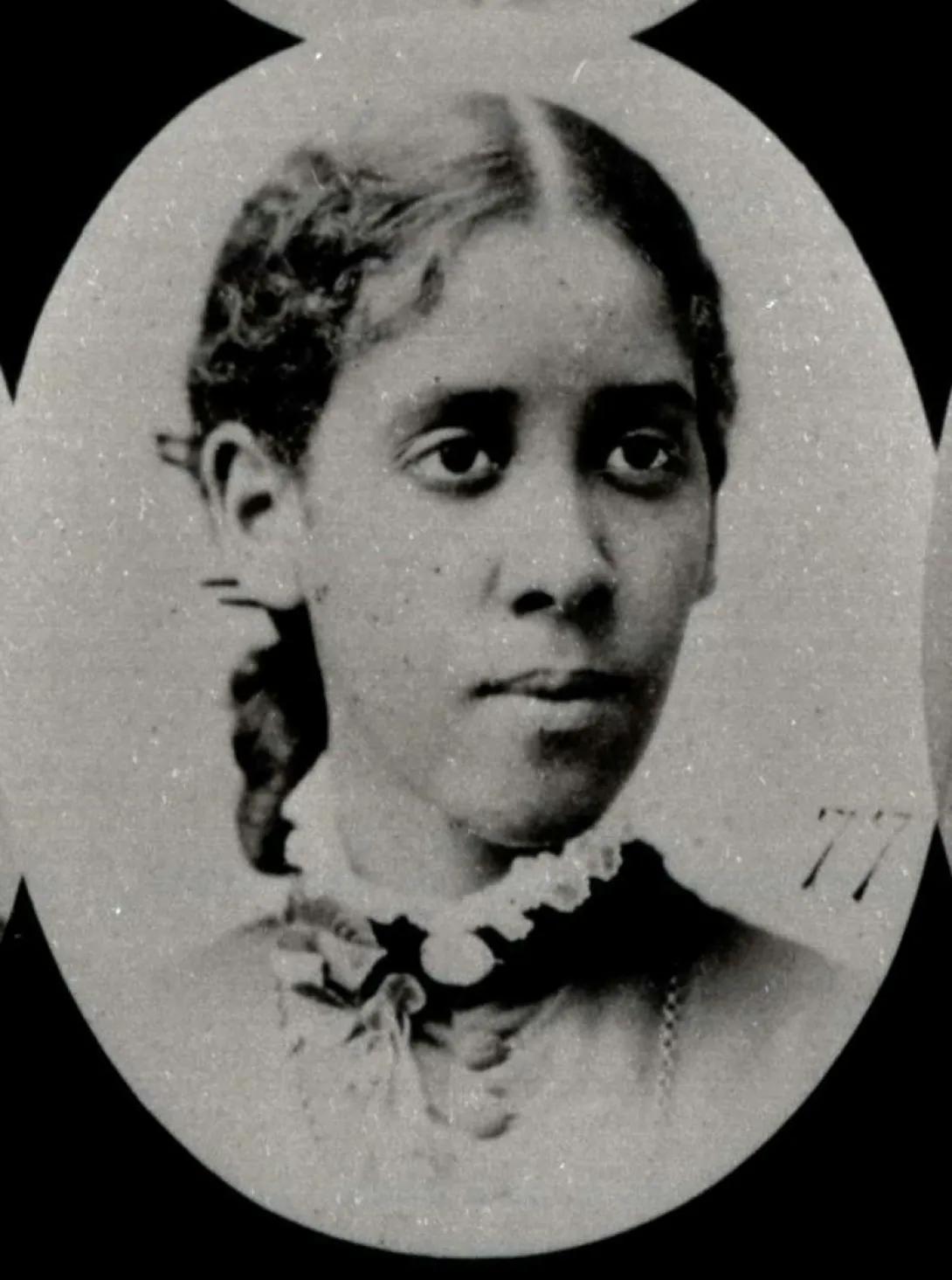
1885: Sophia Bethena Jones, M.D., becomes the first Black woman to graduate from the U-M Medical School. She came to Michigan from Canada, frustrated with the University of Toronto’s limited medical training program for women. After graduation, she became the first Black person to join the faculty of Spelman College, and established its nurse training program before going on to practice medicine in St. Louis, Philadelphia and Kansas City.
In 1913 she reflected on the health of Black Americans 50 years after the Emancipation Proclamation, writing, “Let the teaching of general elementary physiology, including sex physiology, and sanitation be placed on a rational basis in all colored schools and colleges, in the hands of men and women thoroughly trained and with full knowledge of the health problems named above, and there can be little doubt that the issue of the conflict will be such a rapidly declining death rate and reduced morbidity as will astonish the civilized world." A room in the Michigan Union is now named for her.
1898: With Ann Arbor’s Black population beginning to boom, new U-M Medical School graduate Katherine Crawford, M.D. sets up her medical practice on Fuller Street – one of about 150 licensed Black female physicians in the country.
In 1924, she responded to an Alumnae Survey sent by U-M to all known living female alumni, and still listed her home and medical practice location on Fuller, near the corner of today's Glen Ave. She included reminiscences of her time in medical school, and said "It re-created me - by developing innumerable latent qualities or possibilities - by giving me a much broader field of usefulness - by the influence of four years association with hundreds having the same ambition and goal."
1920: Although the number of Black medical students in each class was small, U-M was more welcoming than almost all U.S. medical schools.
In a 1920 letter to the secretary for the American Medical Association’s Council on Medical Education and Hospitals, a professor noted a special linkage with historically black Lincoln University in Philadelphia, which had sent a number of students to U-M.
1924: Marjorie Franklin enrolls as the first Black student at the U-M Hospital School for Nurses (what we now know as the School of Nursing).
She was initially denied university-provided housing because of her race, but fought for the right to live on campus and was allowed to live in the new Couzens Dormitory when it opened in 1925.
Read more about her, and the housing challenges facing female students of color, here.
1930: With the departure of Medical School dean Hugh Cabot after nine years, his order forbidding Black medical students from examining female patients at U-M hospitals is rescinded.
1931: Paul Cornely, M.D. graduates from the Medical School, the first Black medical student to be inducted into the Alpha Omega Alpha medical honor society.
Denied a chance to do his internship and residency at U-M hospitals just as other U-M medical alumni of color had been for decades and would be for years to come, he instead trained at a Southern hospital but returned to U-M to earn a doctorate in public health in 1934. It was the first doctorate in that discipline ever awarded to a Black American man.
Cornely went on to a decades-long career at Howard University, documenting disparities in health and health care for Black Americans that set the stage for efforts to reduce them. He also served as the president of the presiden of the American Public Health Association. Read more about his life and legacy.
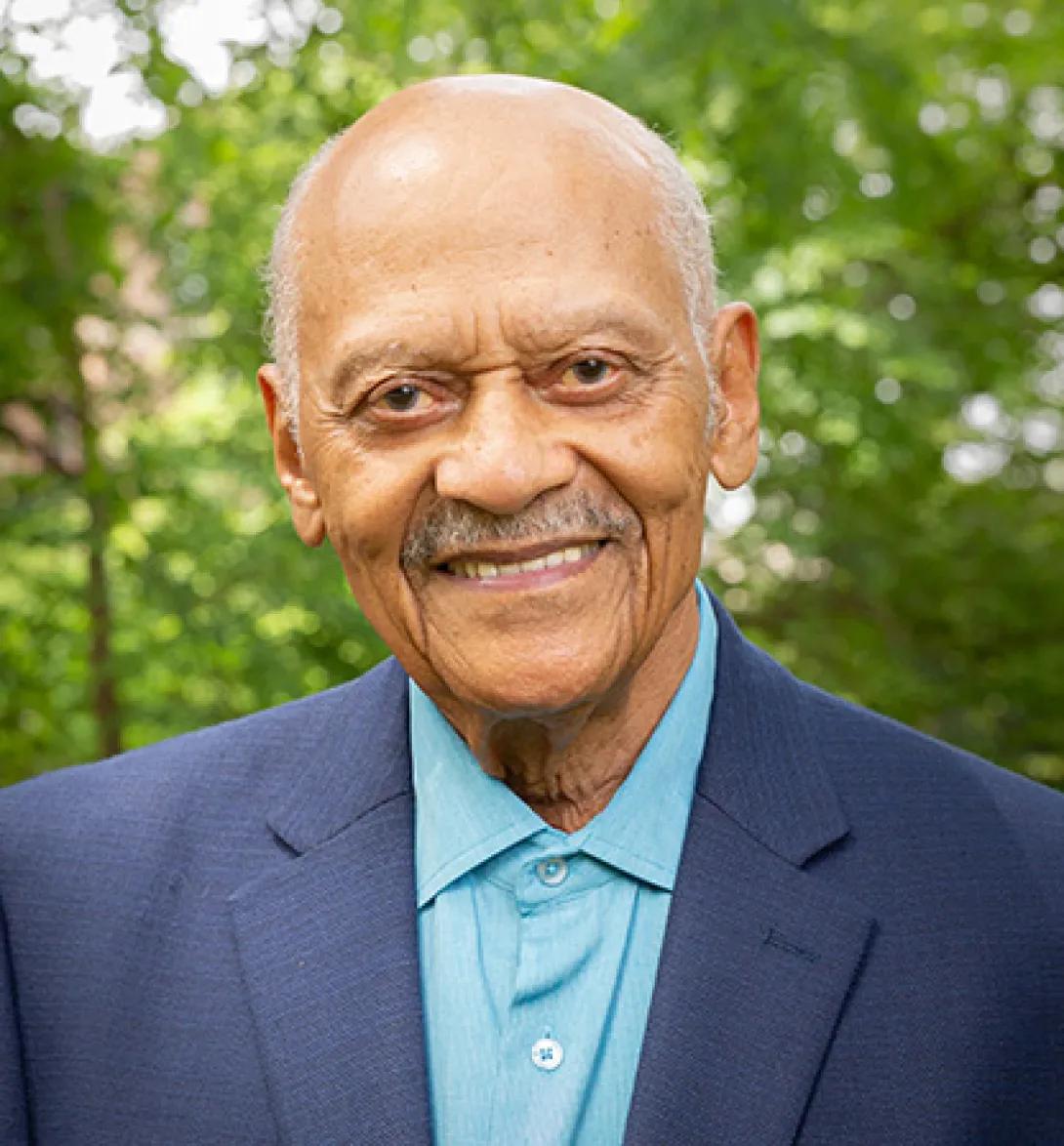
1946: James L. Curtis, M.D., graduates from the medical school after helping integrate the Victor Vaughn dormitory for male medical students during World War II. He went on to pursue specialty training in psychiatry at a time when less than 100 Black physicians in the U.S. had trained for any specialty.
Later, he wrote leading books on the experiences of Black Americans in medical training, and efforts to increase the training of physicians of color. In one, he wrote that his was the last class in which U-M's Black medical students had to travel out of state to do their clinical clerkships in obstetrics and gynecology, because they could not receive training at the whites-only hospital in Detroit where U-M’s clerkship was held. But other than that, he wrote, he experienced no problems on clinical rotations in the U-M hospital.
He teaming with his social work-trained wife to found a center in the U-M School of Social Work. Read more about them here.
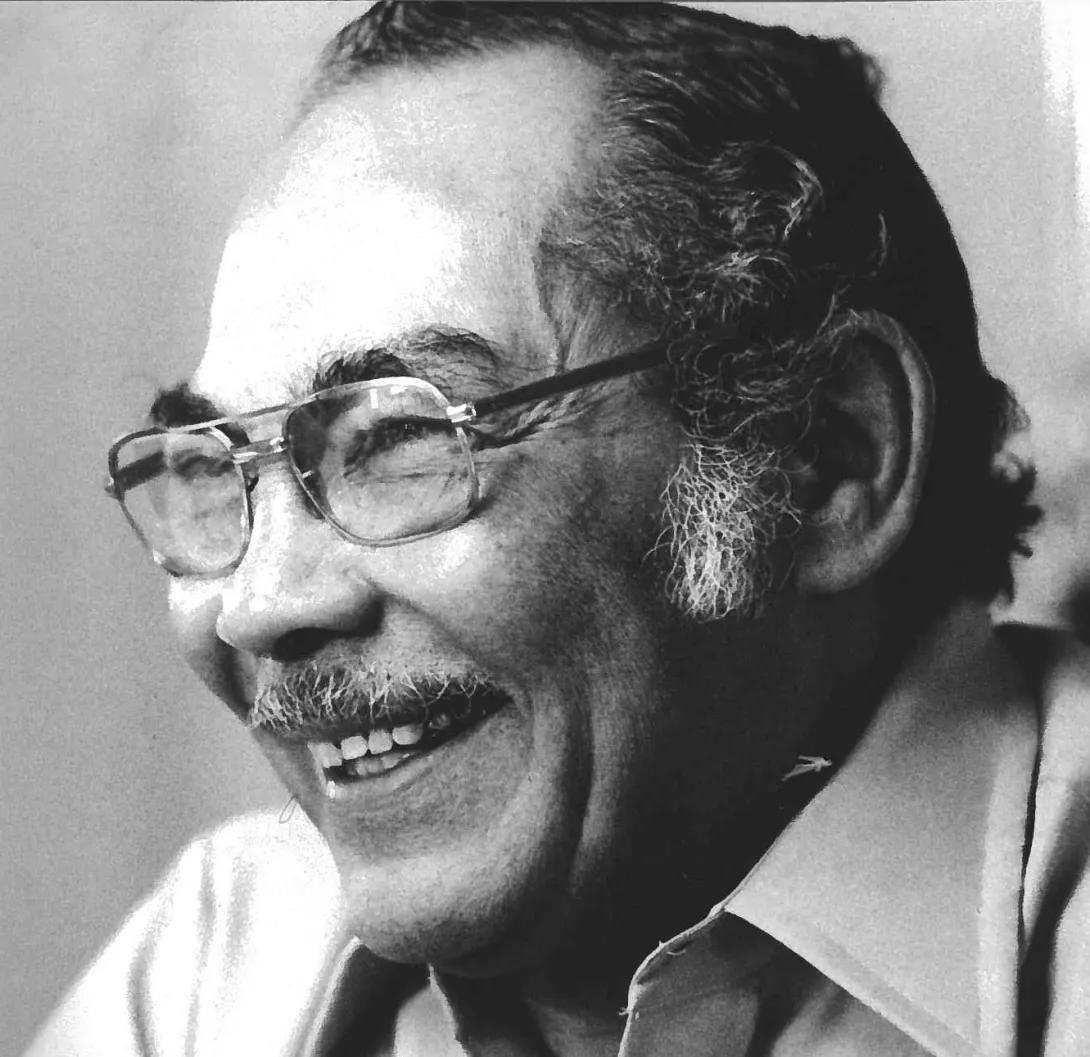
1952: Albert Wheeler, Ph.D., becomes U-M’s first Black tenure-track faculty member, when he joins the Department of Microbiology and Immunology.
After seven years leading a laboratory studying the bacterium that causes syphilis, he took a leave of absence to launch a second career in social activism and politics, including a term as Ann Arbor’s mayor in the 1970s.
"A persistent and vocal leader who raised community consciousness and fought for human rights, Wheeler pioneered in the field of higher education to grant full access and equal opportunities to all minorities," said President James J. Duderstadt.
He returned to the faculty with tenure and became an emeritus professor in 1981.
1959: Jimmy Crudup is hired as a technician to set up a vascular surgery laboratory for Dr. Gardner Child.
Though he never had formal medical training, his self-taught skills in surgical technique and education led to his becoming acclaimed as one of the finest surgical teachers at U-M for 30 years.
1950s-1960s: As Ann Arbor's total population more than doubles, the population of Black residents grows even more rapidly, with many employed at the U-M hospitals.
1967: Shirley Martin is hired as an administrator for student affairs, with a goal of increasing African-American medical student enrollment. She rose to become Medical School Administrator for Student Affairs.
1969: With only 21 Black students enrolled at the Medical School, U-M still had the fourth-highest enrollment of black students at non-historically black institutions.
In fact, around this time, U-M was said to have graduated more African-American physicians in total than any school except Meharry Medical College and Howard University.
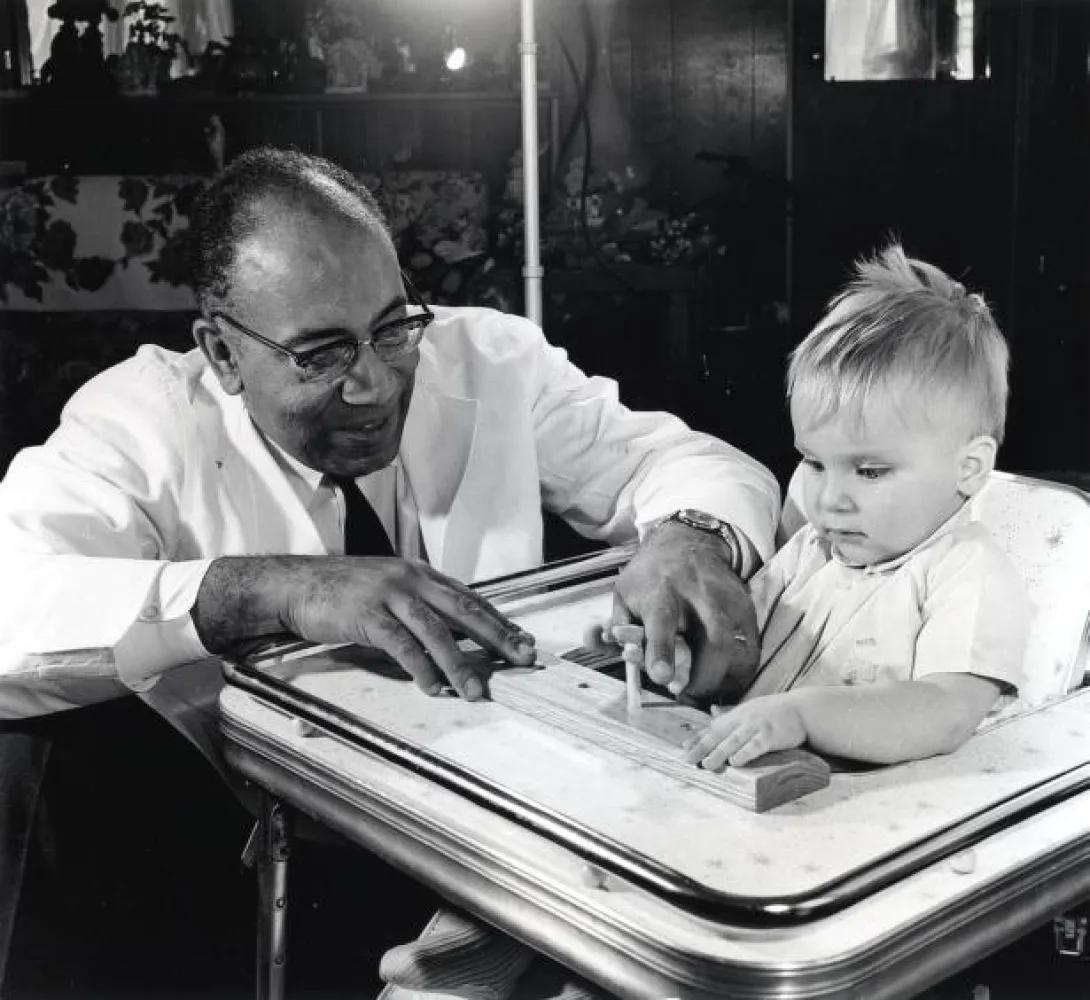
1970: Pediatric psychologist Ralph M. Gibson, Ph.D., becomes the first Black full professor at the Medical School. In 1956, he had become U-M's first Black teaching fellow, as he joined the Department of Pediatrics while finishing his clinical psychology training at the university. In 1965, he established and became the head of the Pediatric Psychology Unit within the Department of Pediatrics, the first of its kind in the nation.
1972: The Black Medical Association is founded as a medical student organization, and organizes the first national symposium addressing the problems of black medical students, featuring future Surgeon General David Satcher, M.D. The chapter is still active today.
1981: Alexa Canady, M.D., a 1975 graduate of the Medical School, becomes the first Black female neurosurgeon in the U.S. She returned for her 50th medical school reunion in 2025, and gave an interview reflecting on her career.
Rhetaugh Dumas, Ph.D., joins the School of Nursing as its first, and U-M’s first, Black dean. She goes on to become vice provost for health affairs from 1994 to 1997, working to foster cooperation among the schools of Nursing, Public Health, Pharmacy, Dentistry and Medicine, as well as the School of Social Work.
1997: The Medical School’s African-American Alumni Association is named for Fitzbutler and Jones. It provides financial support and professional development opportunities, while encouraging philanthropy through the Fitzbutler Jones Society Opportunity Fund.
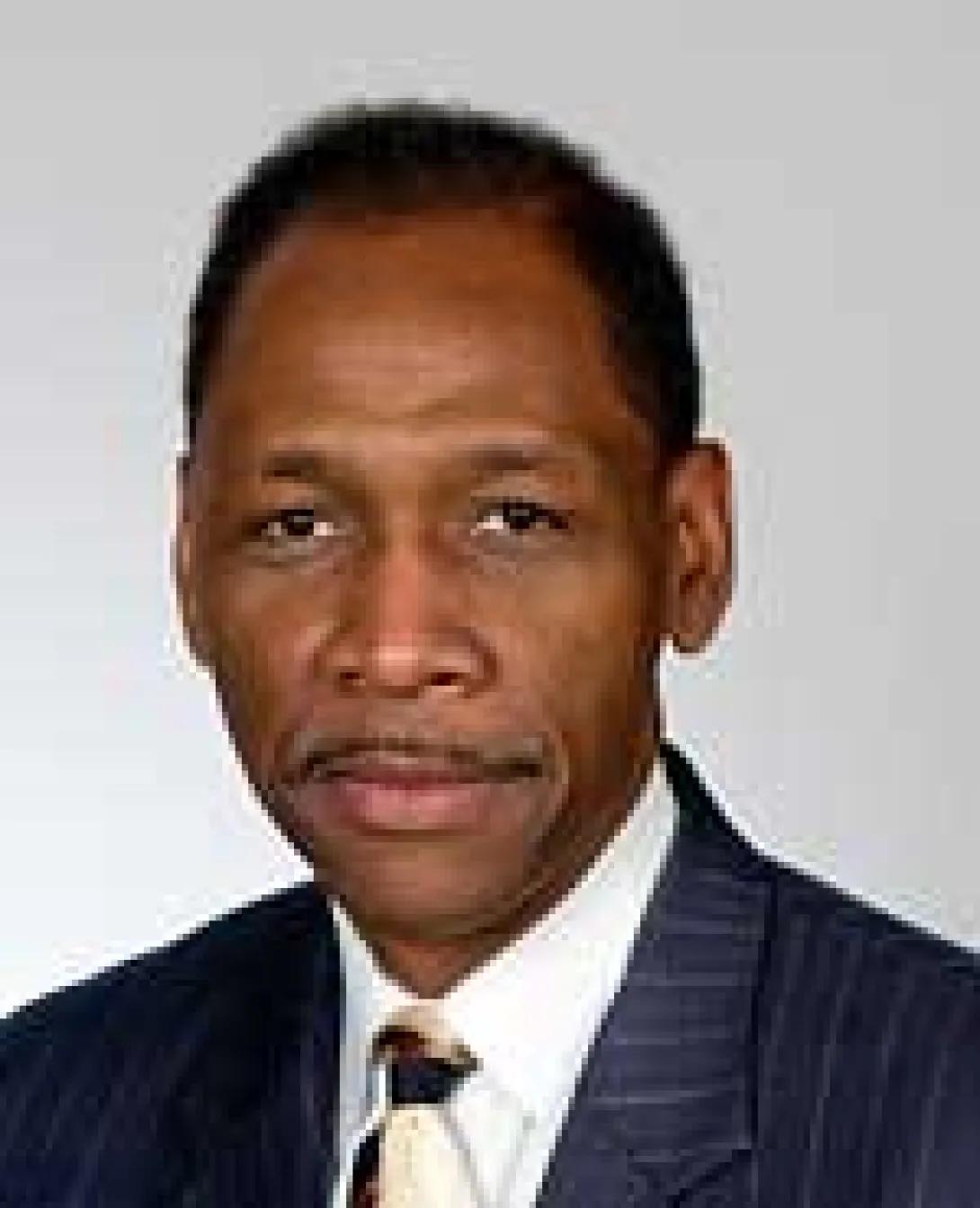
1998: Larry Warren is named the executive director of the U-M Hospitals and Health Centers, the name at the time for the clinical arm of the U-M academic medical center, after serving in the role on an interim basis for two years. He led UMHHC (now known as U-M Health) until 2005.
Media Contact

Public Relations
Department of Communication at Michigan Medicine
Related
175 years of U-M medical history come alive in museum exhibit
From the Diag to the world: 175 years of U-M medical history
Featured News & Stories
Learning Together: Making Space for Growth at Work

Depression in OBGYN residents needs more attention, study suggests

Beyond the White Coat: The Med Student Tradition Behind Michigan’s Smoker
College of Pharmacy alum advances U-M Medical School addiction research
Rethinking how clinicians learn to feel disease
