Michigan Alzheimer's Disease Research Center receives $22M to advance efforts statewide
Five-year award strengthens work to advance prevention, treatment and care for Alzheimer's disease and related dementias.
5:00 AM
Author |
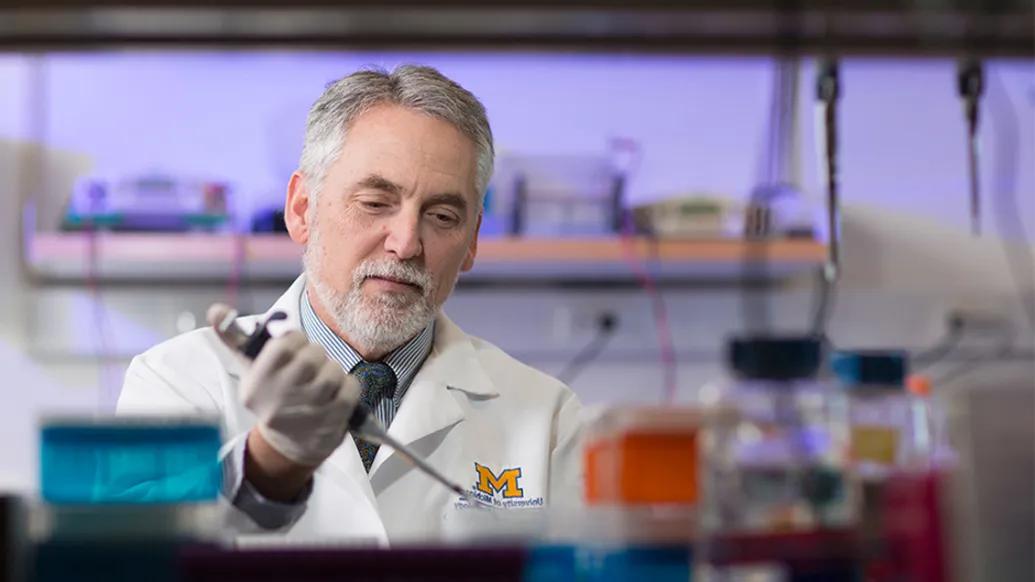
ANN ARBOR, Mich. — The National Institutes of Health has awarded $22 million to the Michigan Alzheimer's Disease Research Center (ADRC) to continue its research operations for five years. The award maintains the center's role in the national Alzheimer's Disease Research Center network, a consortium of major U.S. medical and academic institutions working to accelerate progress in Alzheimer's disease research.
The Michigan ADRC is the first-of-its-kind to unite three universities — University of Michigan, Michigan State University and Wayne State University — for statewide impact. The center, which is hosted at Michigan Medicine, combines expertise across university boundaries and builds a statewide approach to advancing Alzheimer's disease and related dementias research, education, outreach, training and support.
The Michigan ADRC emphasizes a “beyond amyloid” research theme that investigates the many avenues of disease prevention and treatment outside of the hallmark beta-amyloid protein. This is particularly important in the era of anti-amyloid therapies, as there are many other factors that contribute to dementia that also call for study.
“While anti-amyloid therapies are an exciting new treatment option for Alzheimer’s, they are merely the first step toward effective treatment for Alzheimer’s and related dementias,” said Henry Paulson, M.D., Ph.D., Director of the Michigan ADRC, the Lucile Groff Chair of Neurology for Alzheimer’s Disease and Professor of Neurology at U-M Medical School.
“I am thrilled that this new NIH award allows us here in Michigan to help complete the critical next steps toward cures.”
This award will support a wide range of studies ranging from basic science to clinical trials and caregiver interventions. It also supports a longitudinal study that investigates changes related to memory and thinking over time so that researchers can learn more about normal aging and neurodegenerative diseases.
This study shares data, imaging scans, biological samples and more with researchers across the country to advance research related to Alzheimer’s disease and related dementias.
New this cycle, the center will establish an Accelerating Clinical Trials unit, which aims to fast-track the translation of investigator discoveries to the clinic. It will also launch a Caregiver Initiative, which addresses a neglected facet of dementia research: How can we improve the health and well-being of care partners?
As the Michigan ADRC enters its second decade, it continues to serve as a national model for collaboration, bringing together researchers across Michigan to accelerate discoveries and expand opportunities for patients and families affected by dementia. The continued funding will strengthen the tri-university leadership structure to include associate directors from each of the partner universities.
In This Story

Henry L Paulson, MD PhD
Professor
Related

Is everything you know about Alzheimer's wrong?

Can blood tests detect Alzheimer’s disease in its early stages?
Featured News & Stories

Can Your Voice Reveal Early Signs of Alzheimer’s?

A pediatric epilepsy fundraiser that changes lives
Is the United States Lagging Behind Europe in Memory Improvement?
Engineered nanoparticles sensitize gliomas to radiotherapy

The Care Ecosystem: Supporting People Living with Dementia and Their Families