Blevins Brothers Fortnite Charity Event at Michigan Stadium Raises Over $90,000 for Cancer Research
Author |
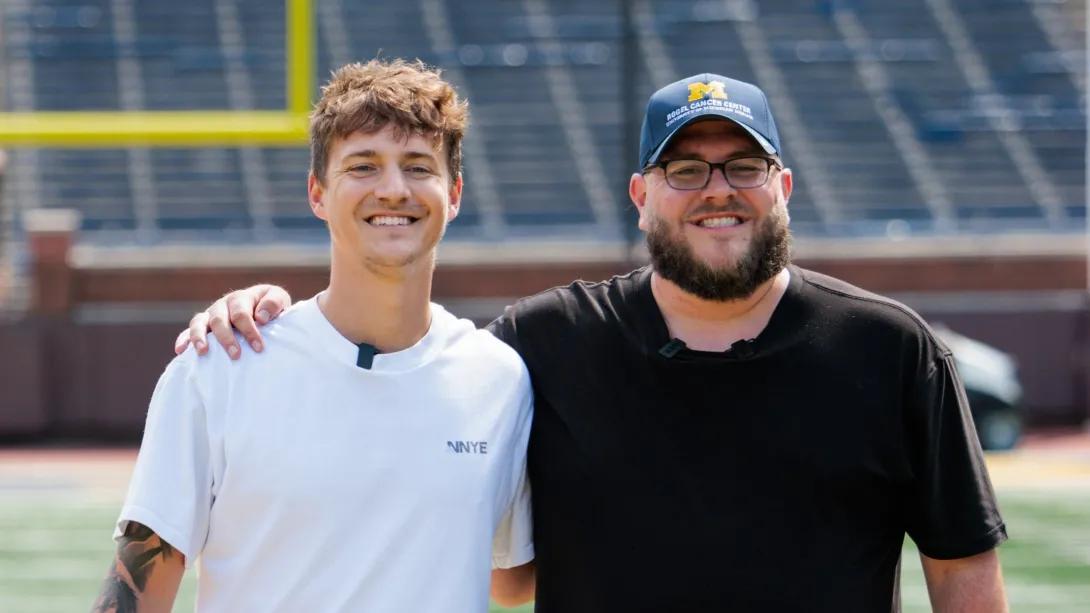
The Blevins Brothers—Ninja and BeardedBlevins—raised $93,125 for the University of Michigan Health Rogel Cancer Center by playing Fortnite live from Michigan Stadium.
Michigan natives and world-famous video game streamers, the brothers broadcast on Twitch for over five hours, garnering hundreds of thousands of views and 650 donations.
“I want to thank everyone who helped put this incredible event together, along with the companies and members of our communities who generously donated,” said Tyler Blevins, better known as Ninja.
“It’s amazing to raise nearly $100,000 for cancer research in five hours, but it’s even better to know that you’re giving it to the right place doing the right work.”
During the visit, Ninja and BeardedBlevins streamed with a rotating cast of special U-M guests, including Wolverine quarterbacks Davis Warren and Alex Orji, San Francisco 49ers kicker Jake Moody, Olympic bronze medalist Paul Juda, and the U-M men’s basketball team’s Danny Wolf.
The donated funds, which will be used to support the Rogel Cancer Center’s innovative research, were made possible by matching sponsors Alro Steel, Domino’s, and Michigan Mudbowl—and the support of in-kind sponsors PowerGPU, Nvidia, and Team Ninja. Amazon sponsored the guest chair.
The streamers also toured labs within the Rogel Center, spoke with researchers and heard stories about how the work they were supporting leads to the prevention, diagnosis and treatment of cancer.
“It was a great pleasure hosting a lab tour to show Ninja and BeardedBlevins how our research team studies skin cancer in the Rogel Cancer Center,” said Andrzej Dlugosz, M.D., the center’s Associate Director for Basic Science Research.
“The goal of our work is to understand the cause of these cancers and discover more effective ways to treat or prevent them.”
As top-ranked health care providers in the nation, Michigan Medicine and the Rogel Cancer Center are leading efforts to generate new knowledge and advance research to transform cancer prevention and treatment.
“Working with the University of Michigan Health Rogel Cancer Center has been an absolute honor,” said Jonathan Blevins, aka BeardedBlevins.
“I was blown away by all of the life-changing work that everyone in that building is doing. They shared some miraculous stories with us, and I will never forget those few hours. I can't wait to continue to support the work they are doing. Go Blue!”
Featured News & Stories
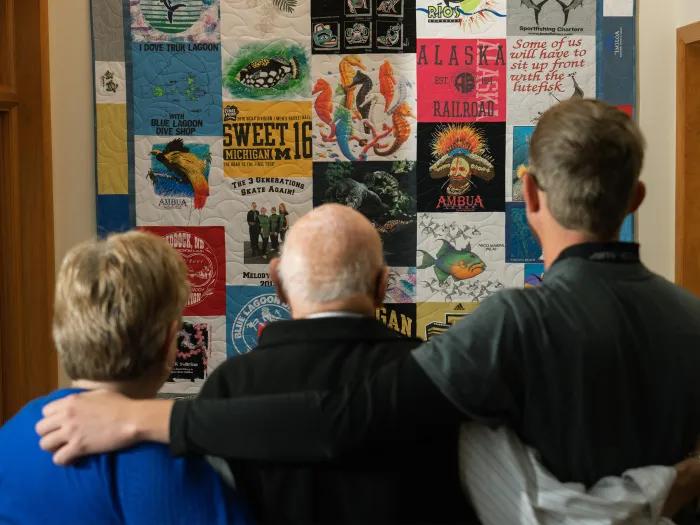
Online resources and coaching helped people seek genetic testing for cancer
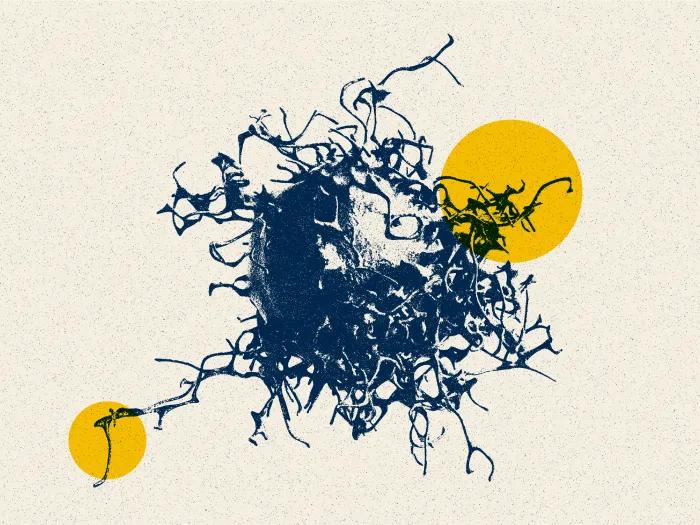
‘Molecular glue’ stabilizes protein that inhibits development of non-small cell lung cancer and uterine cancer

Exceptional response to immunotherapy gives patient with liver cancer more milestones to celebrate
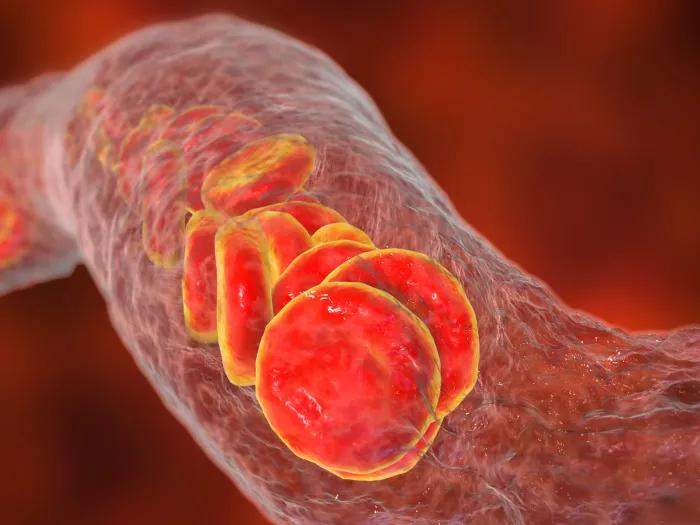
FDA-approved drug offers hope for patients with polycythemia vera, a rare bone marrow disorder
Pediatric patient treated for rare kidney cancer